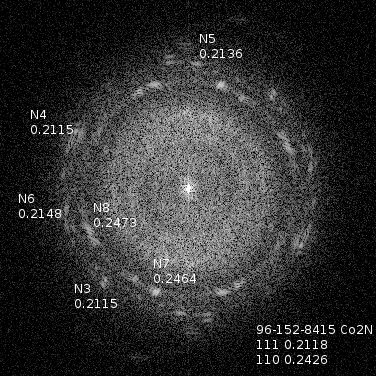
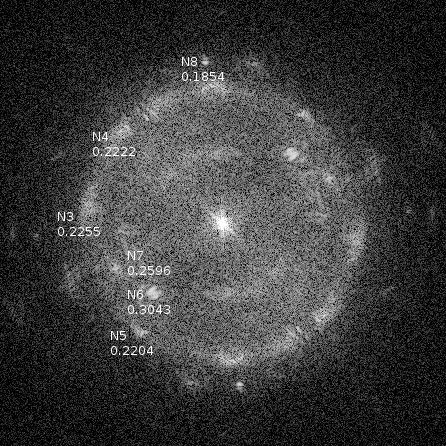
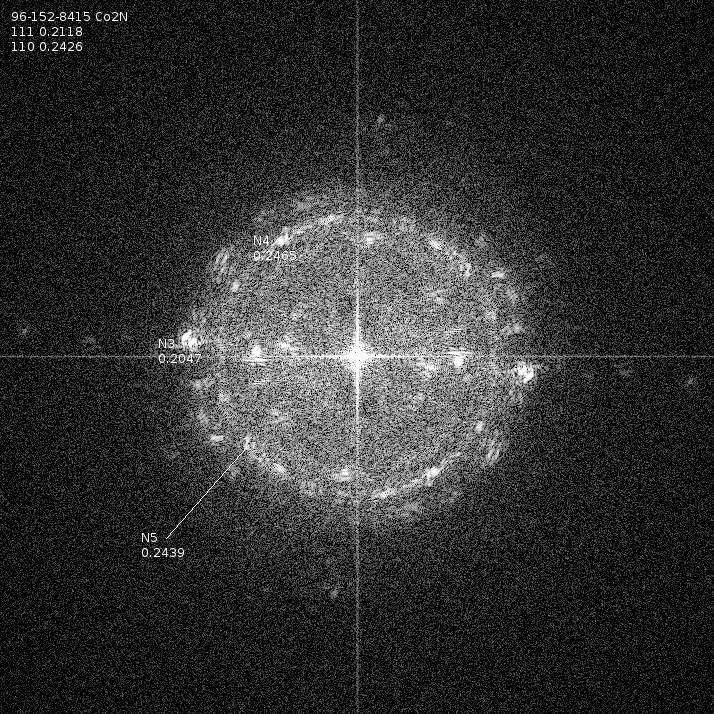
Samples were produced via Fe hydroxide chemical precipitation. Boron nitride powder was dispersed in acidified iron nitrate solution using ultrasound at 5°C. NaOH water solution was added to the suspension dropwise at 5°C at vigorous stirring using magnetic mixer. After deposition, samples were washed with water and dried in IPA at ambient conditions. Nitrides were obtained via ammonolysis in ammonia flow at 500°C.
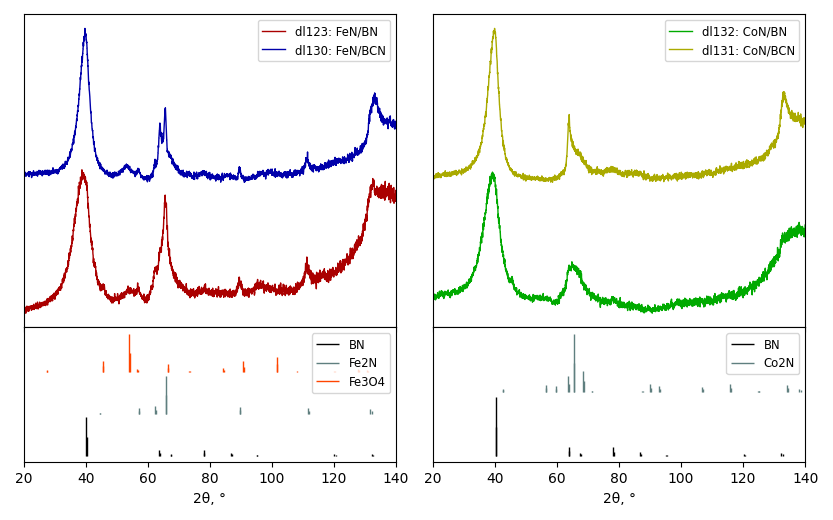
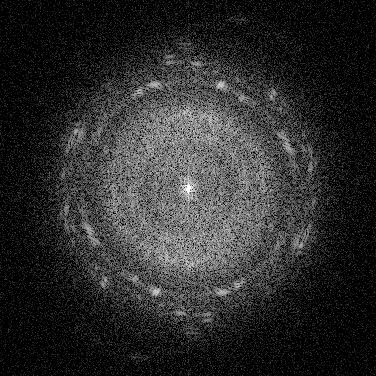
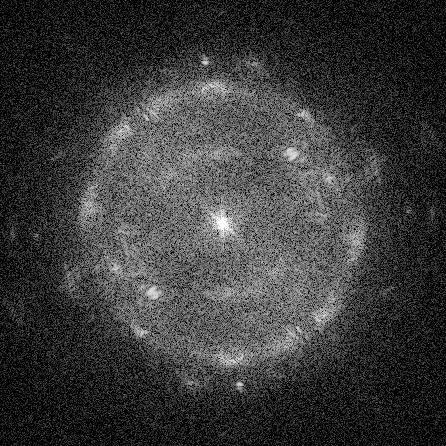
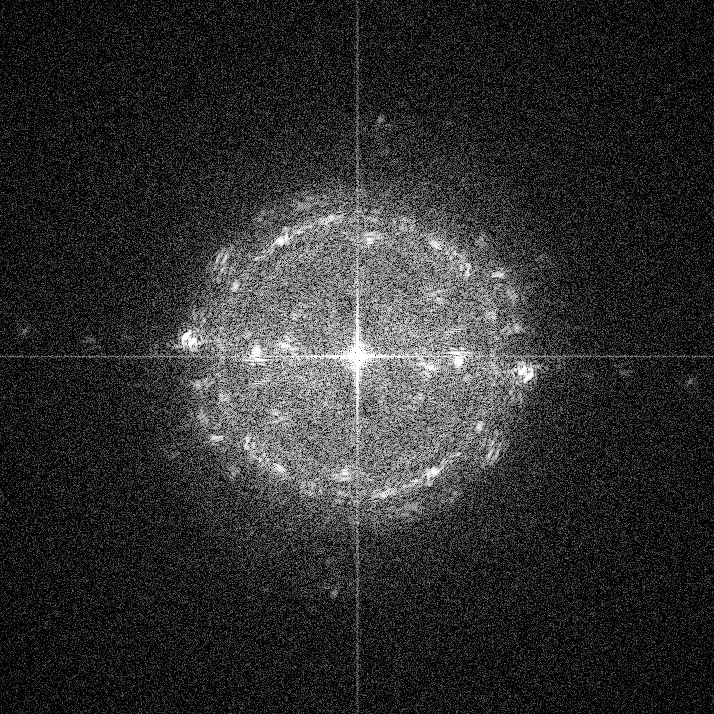
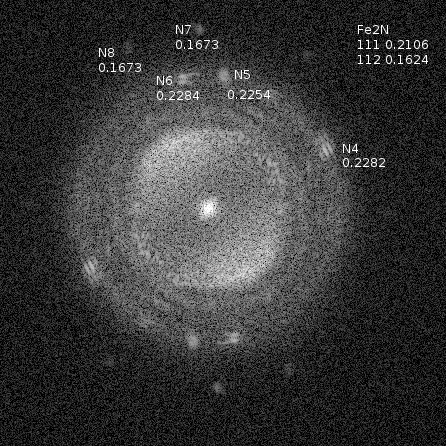
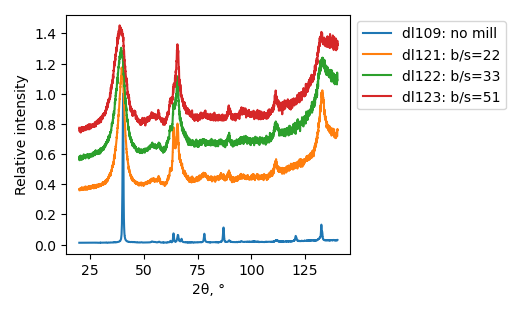
Samples consist of h-BN, Fe2N and Fe3O4 phases. There is no change in composition depending on b/s ratio. The difference is only in FWHM of h-BN peaks.
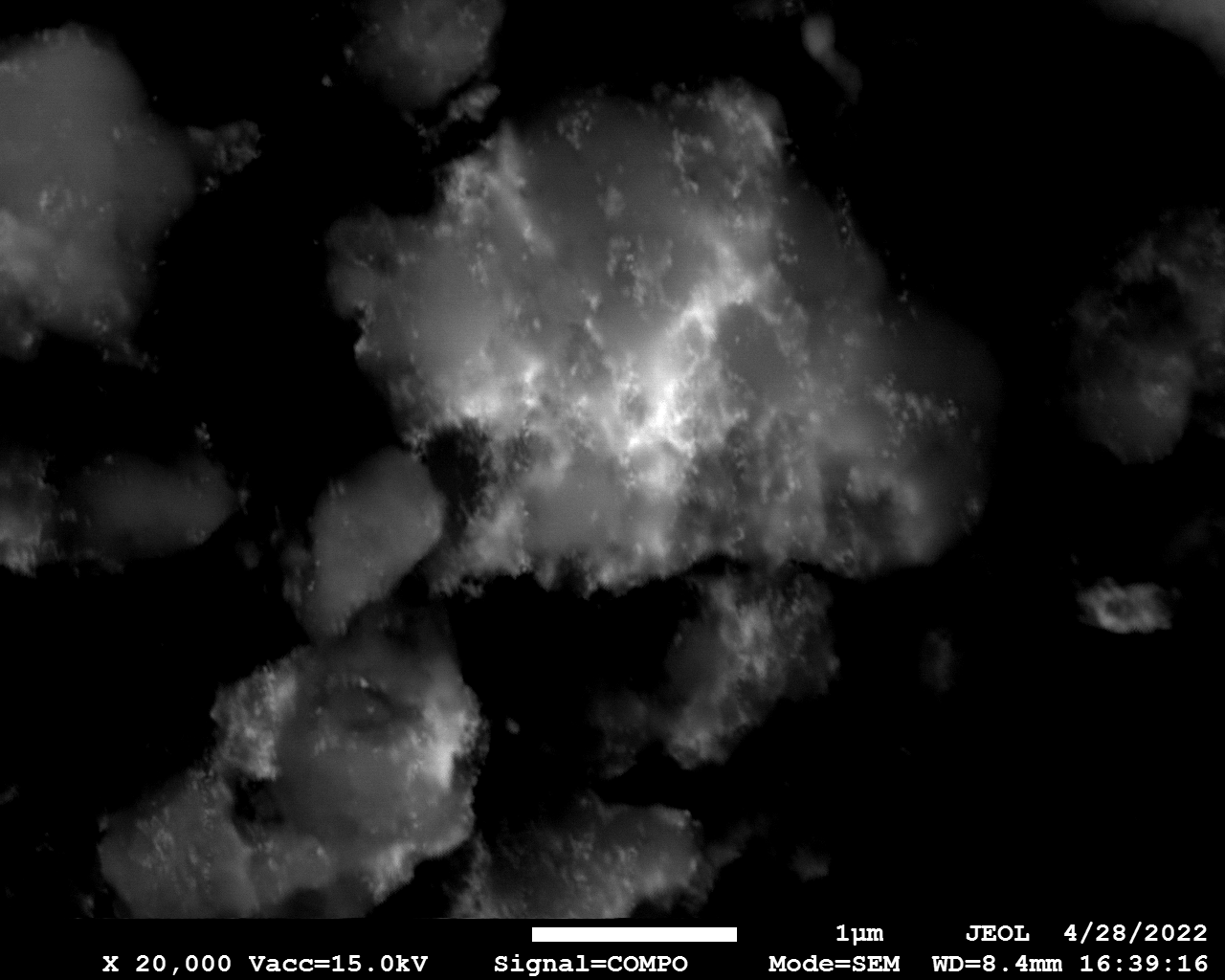
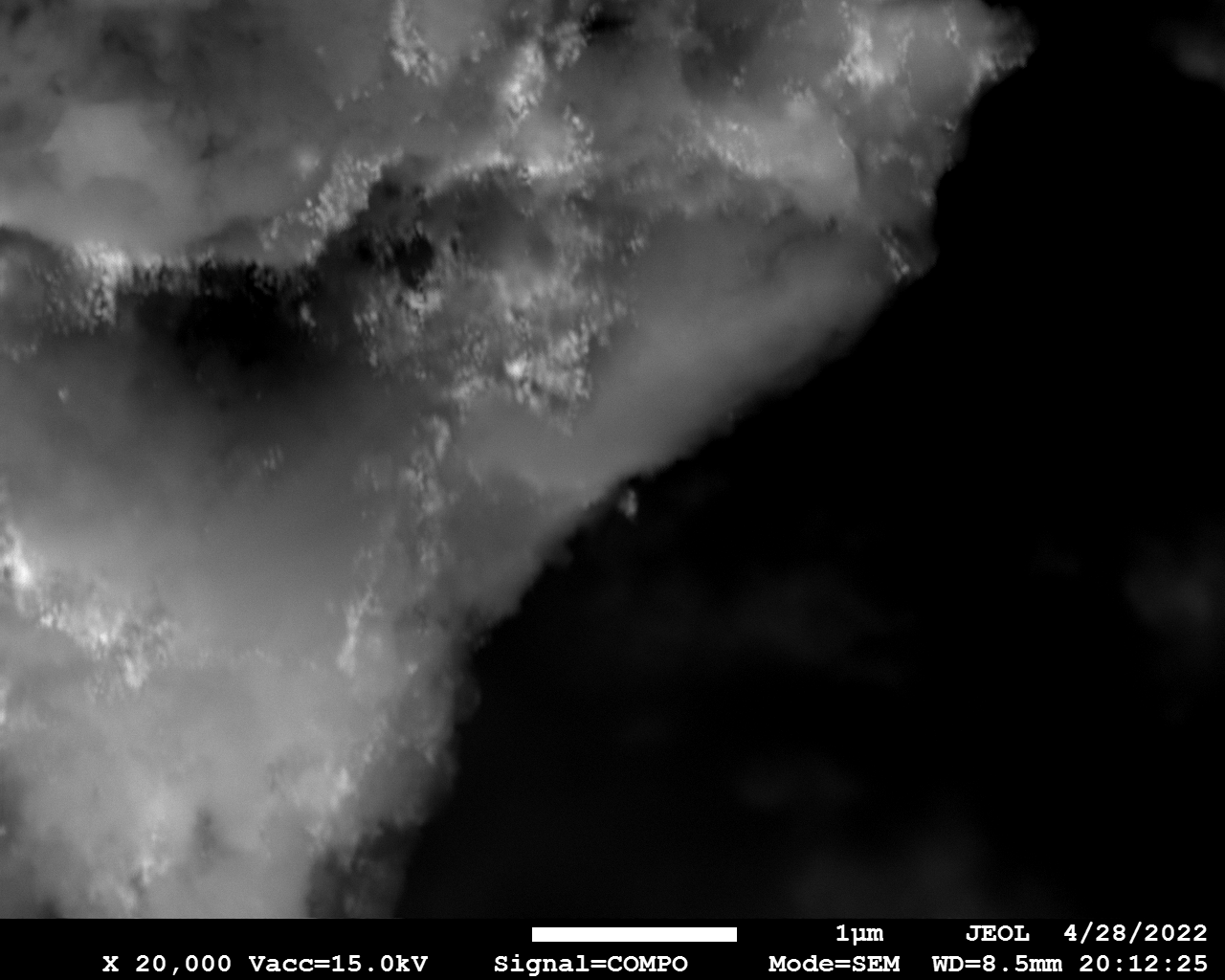
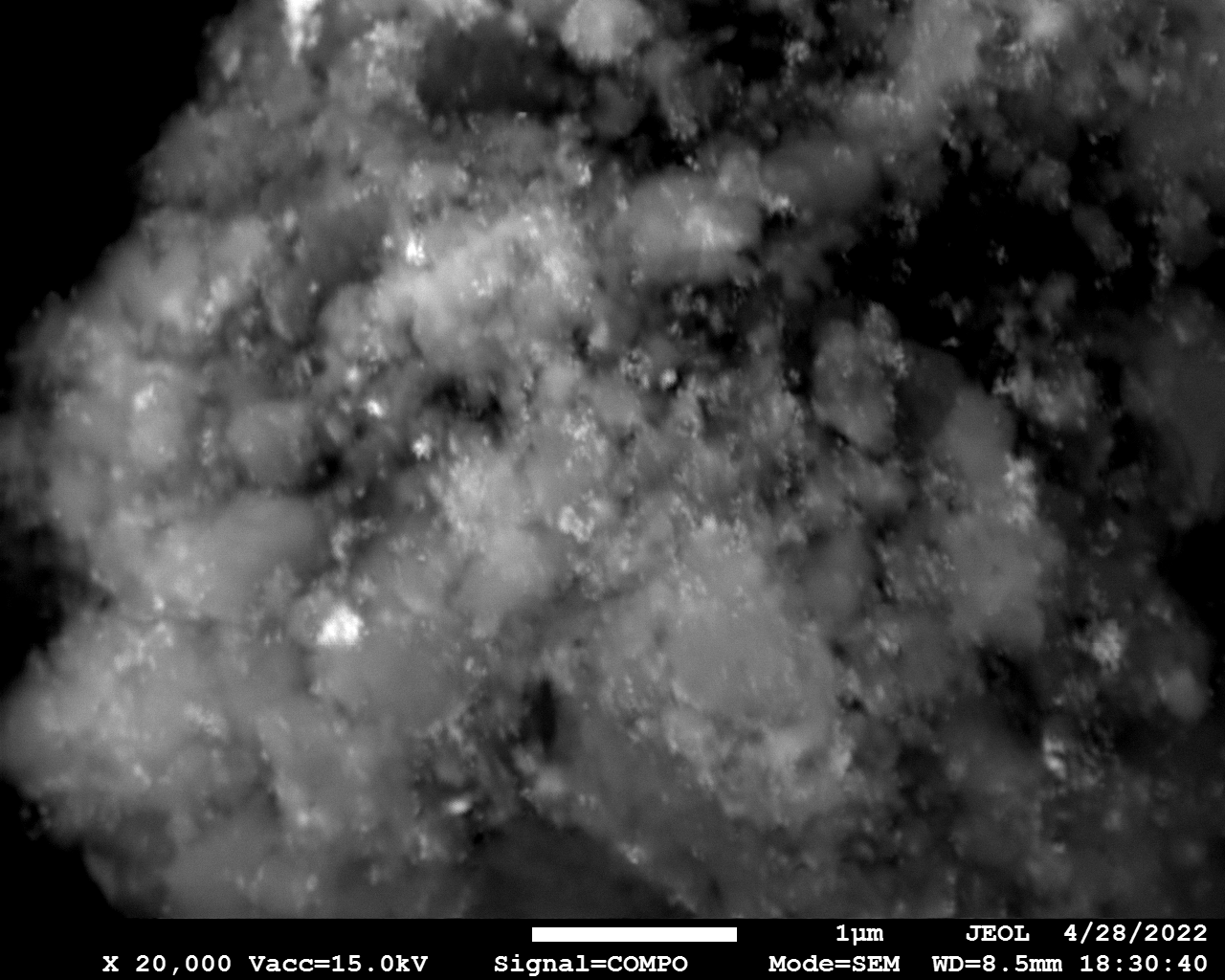
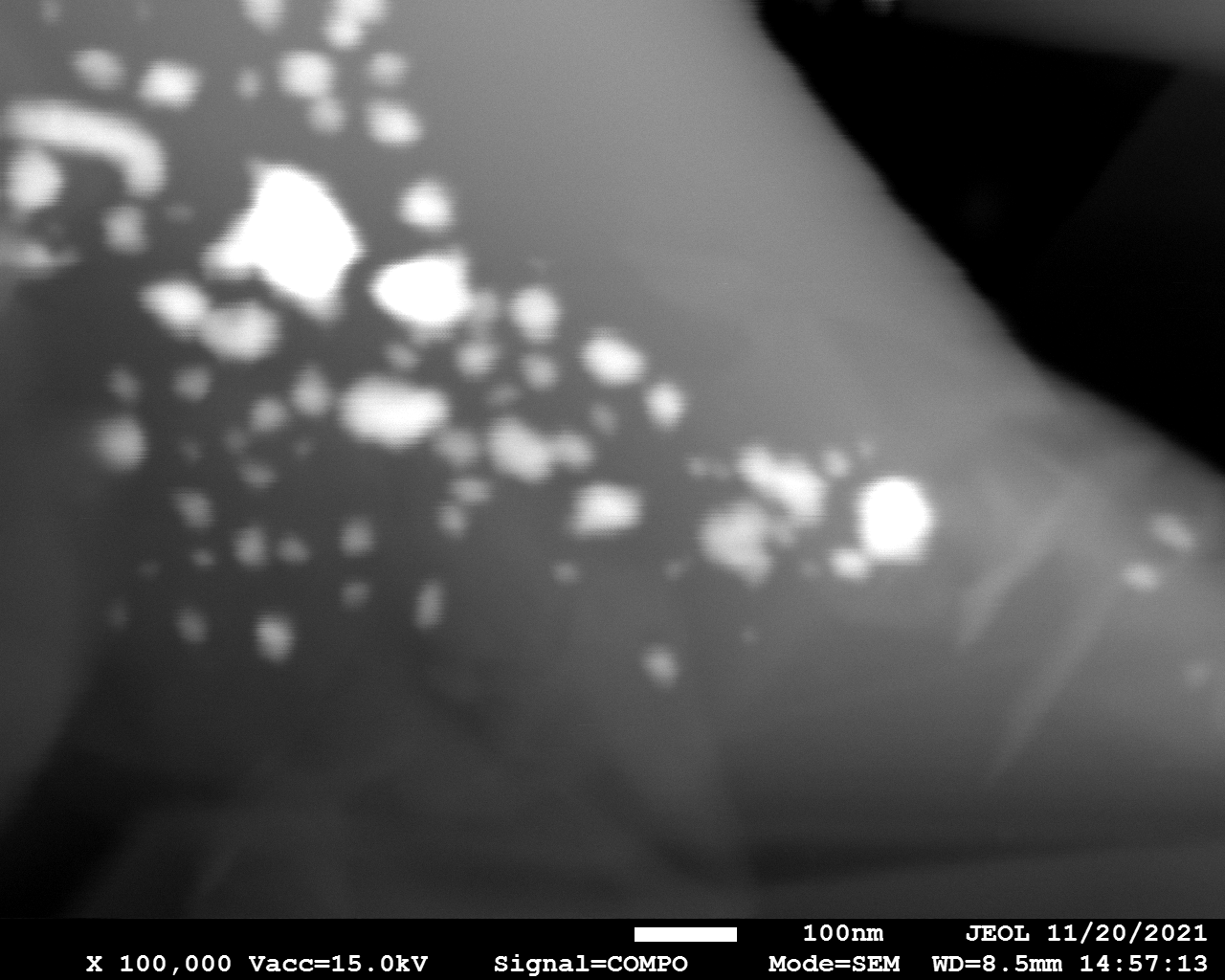
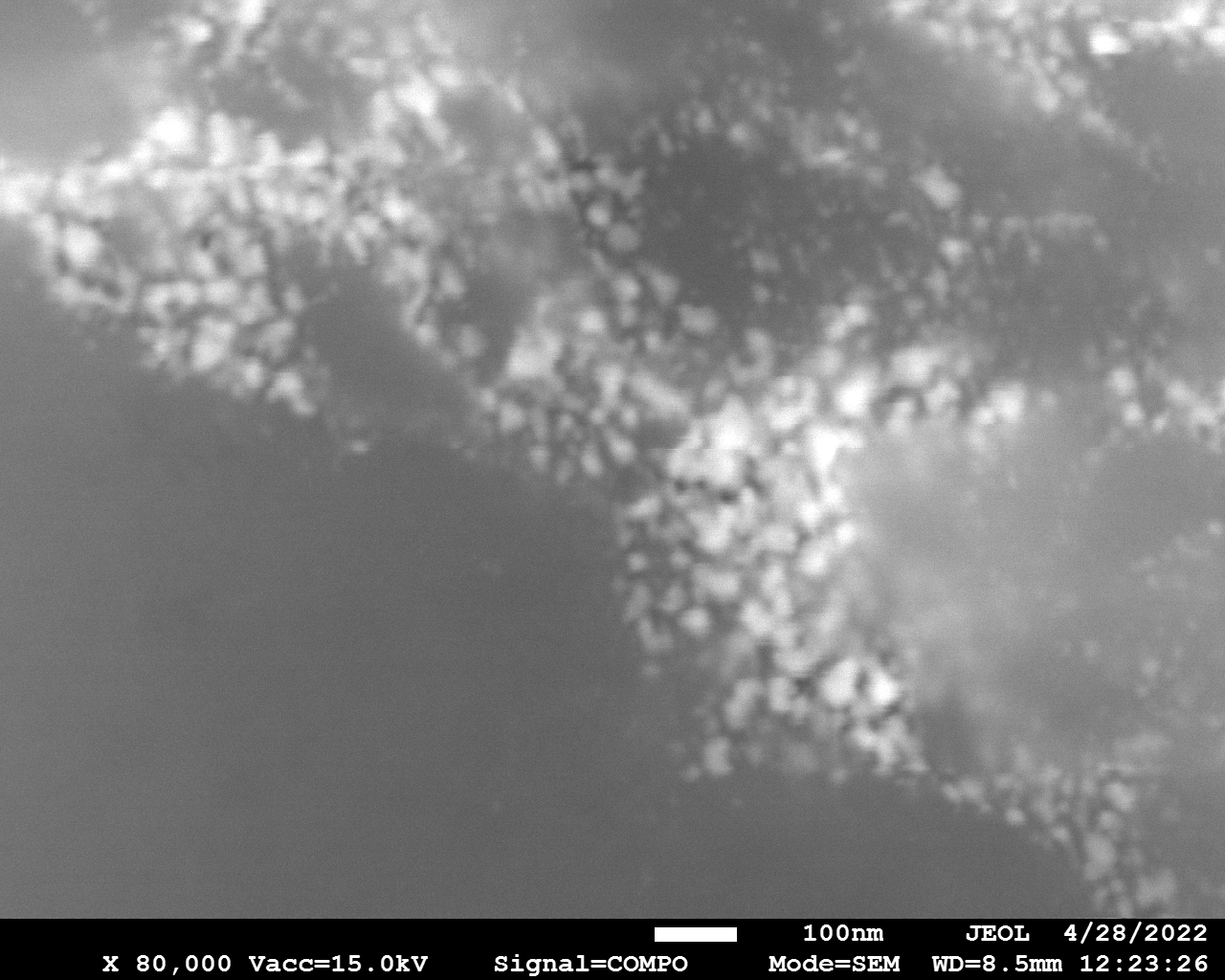
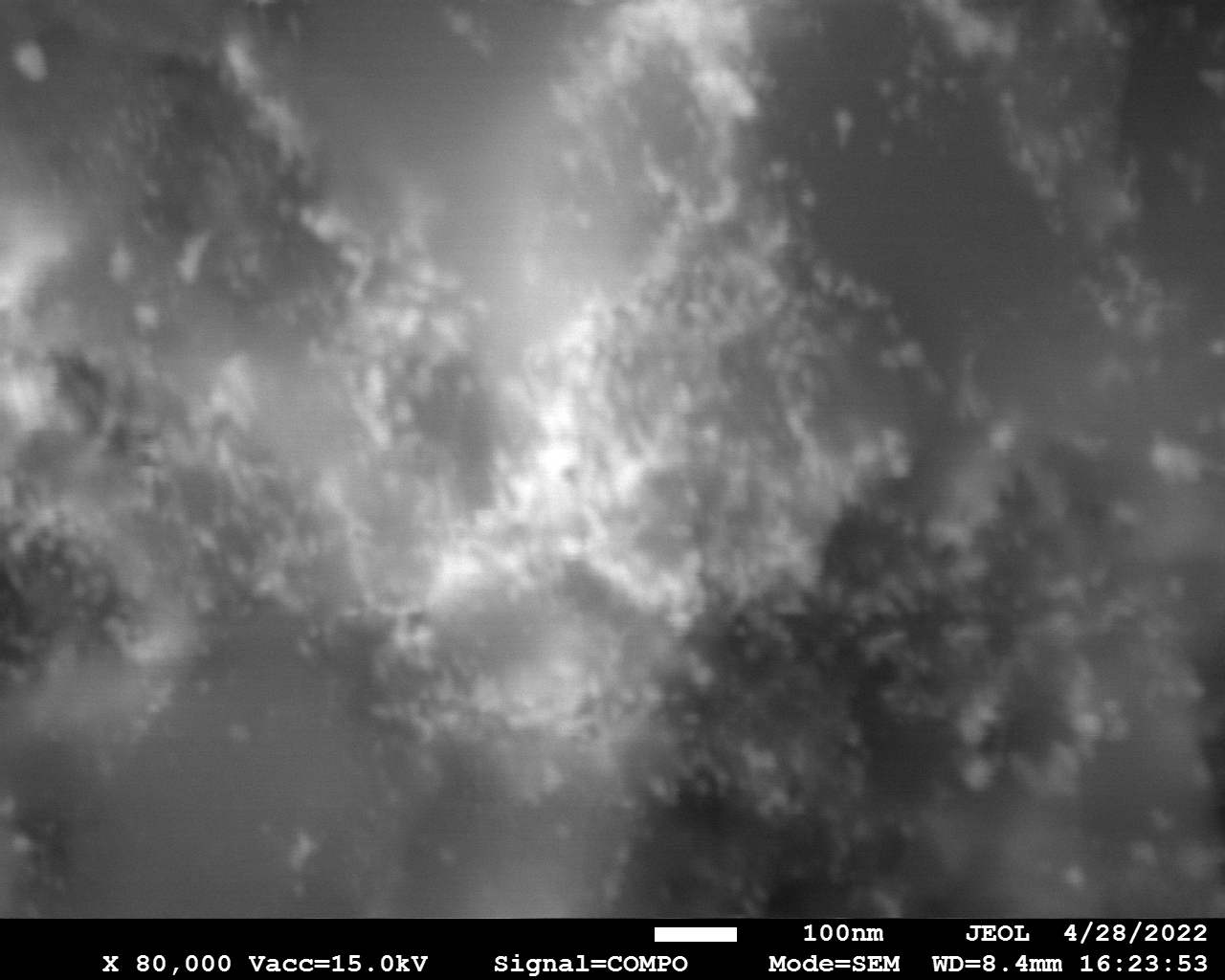
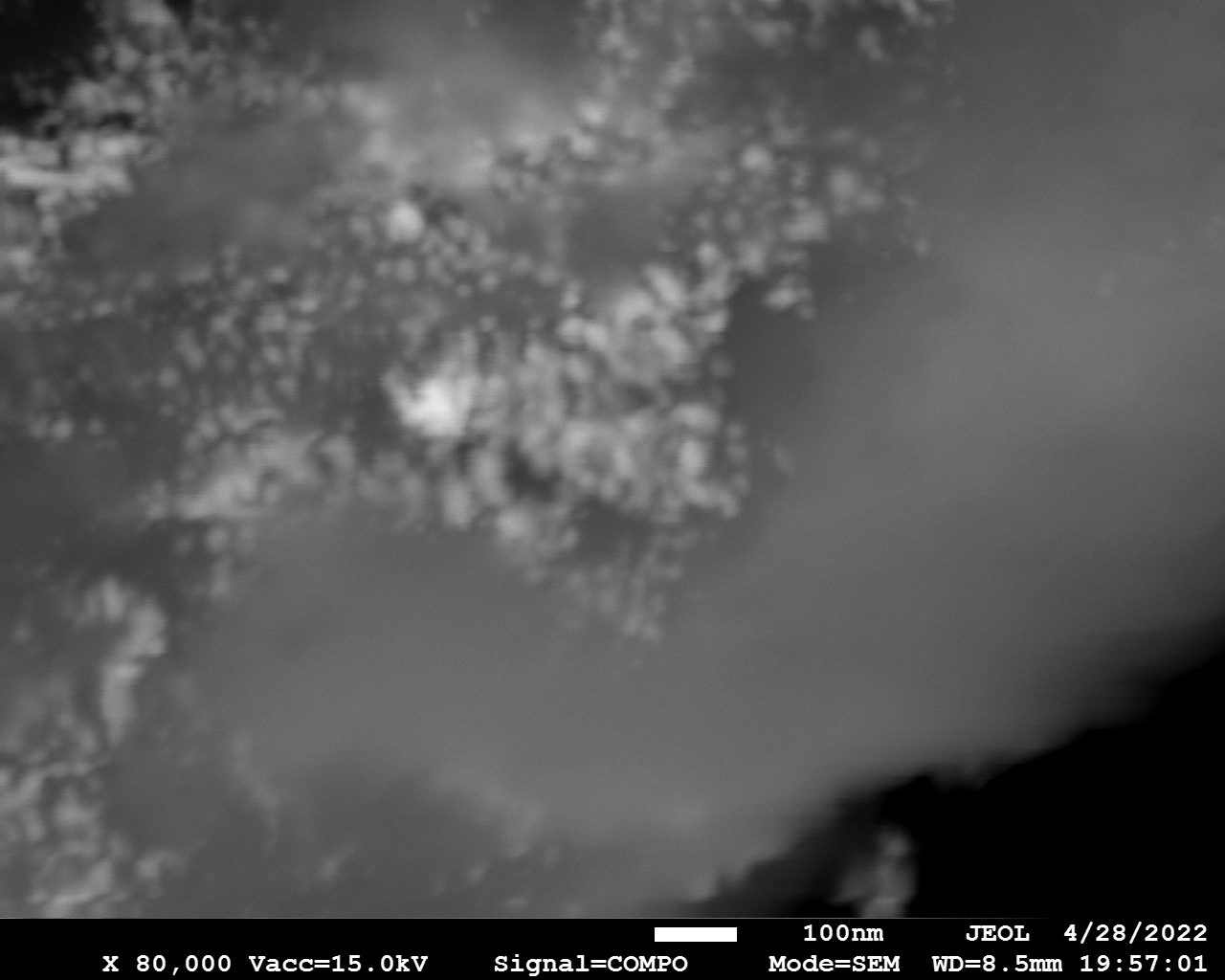
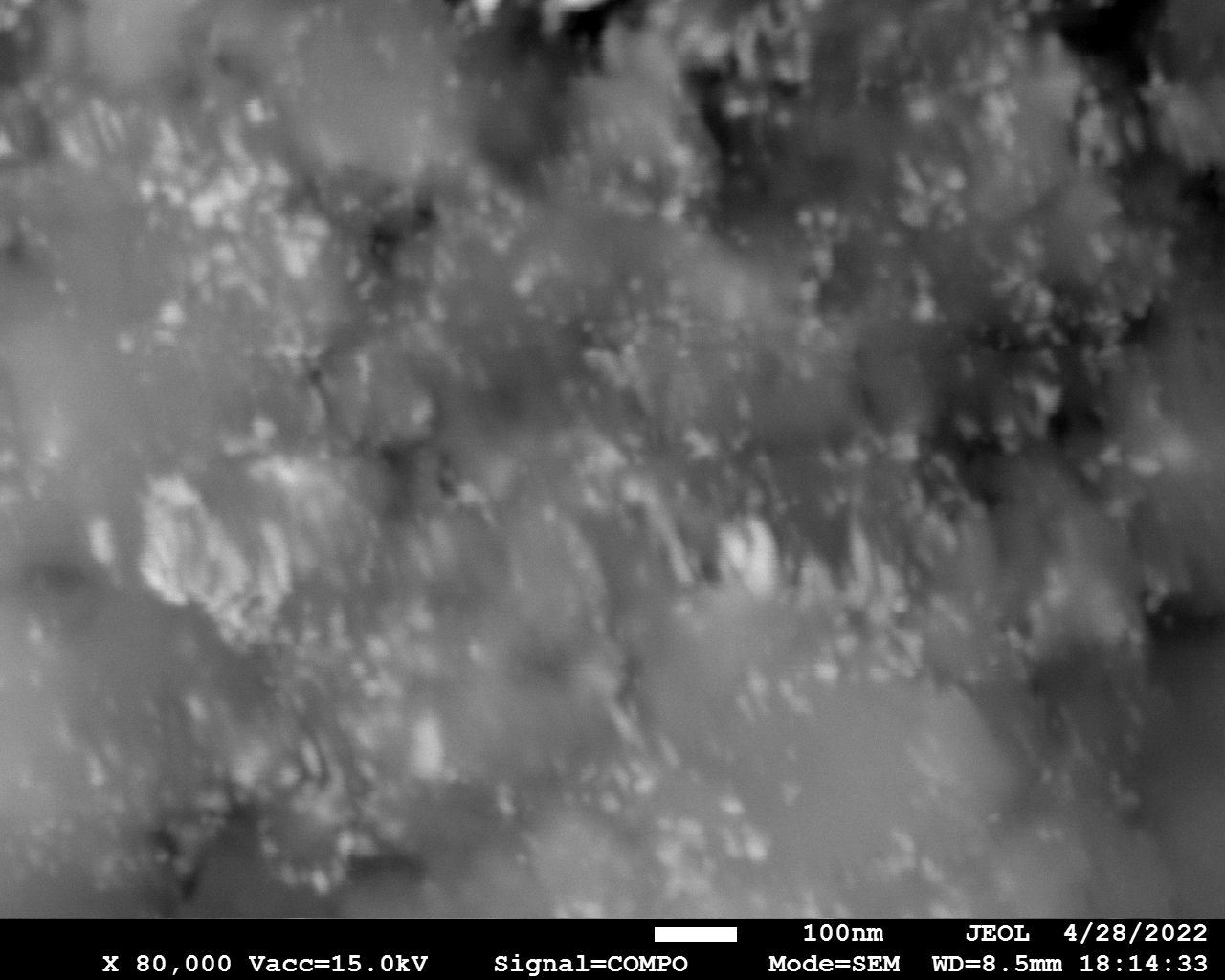
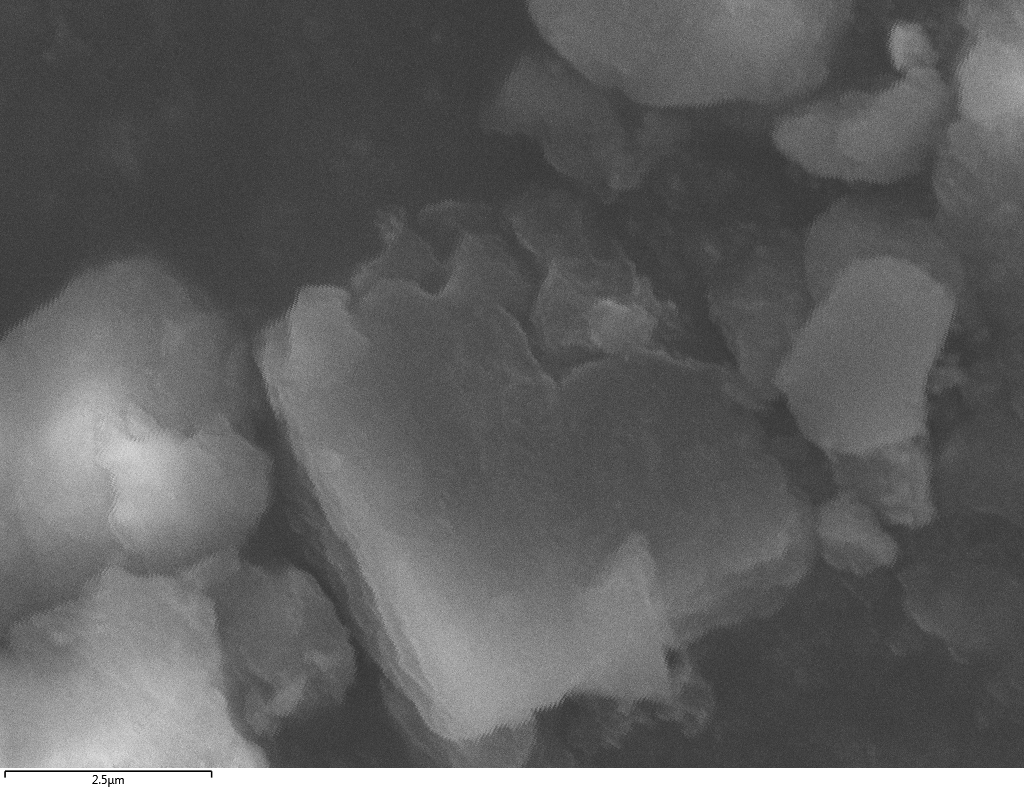
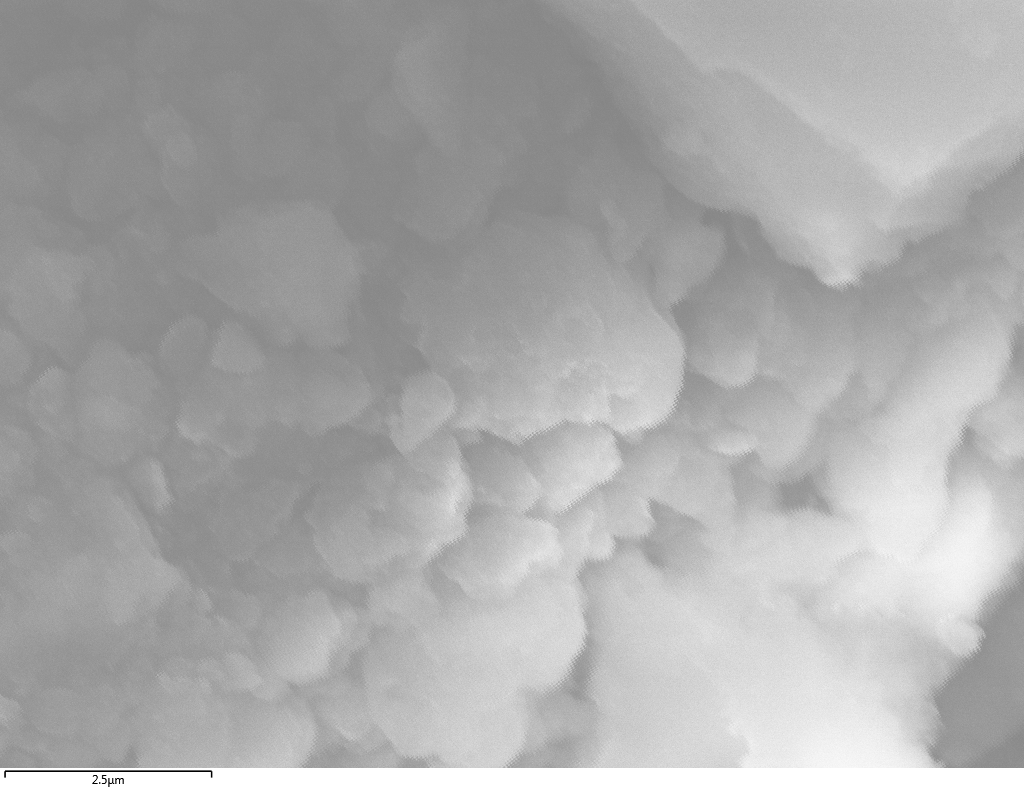
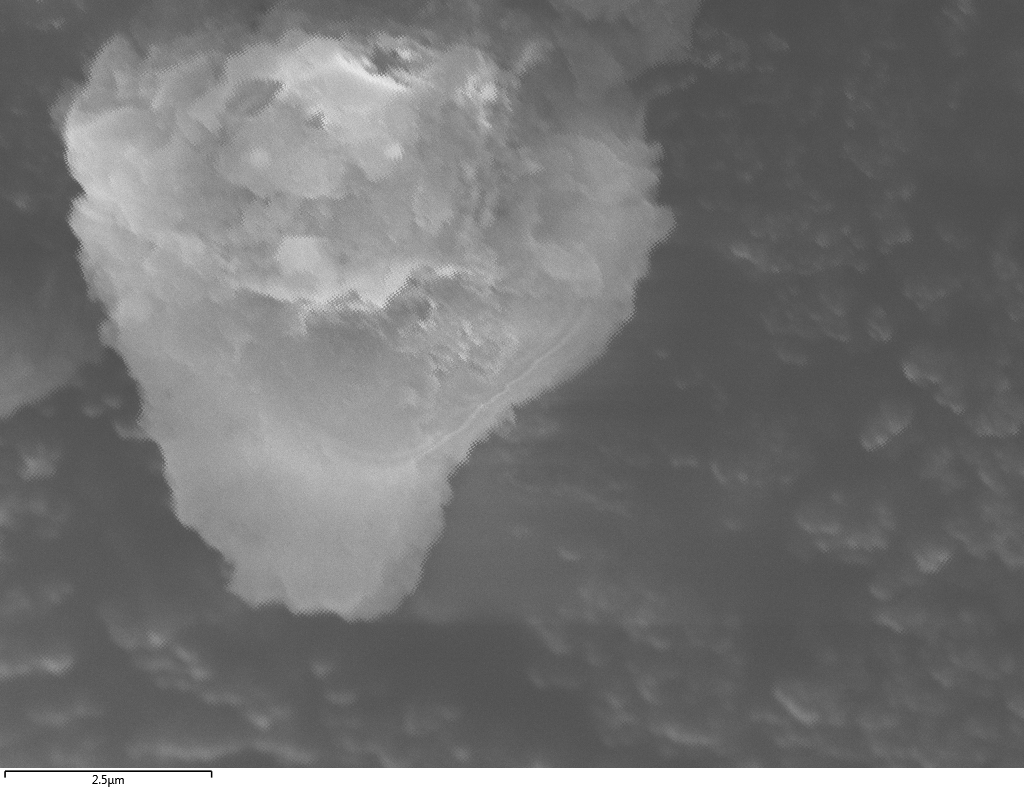
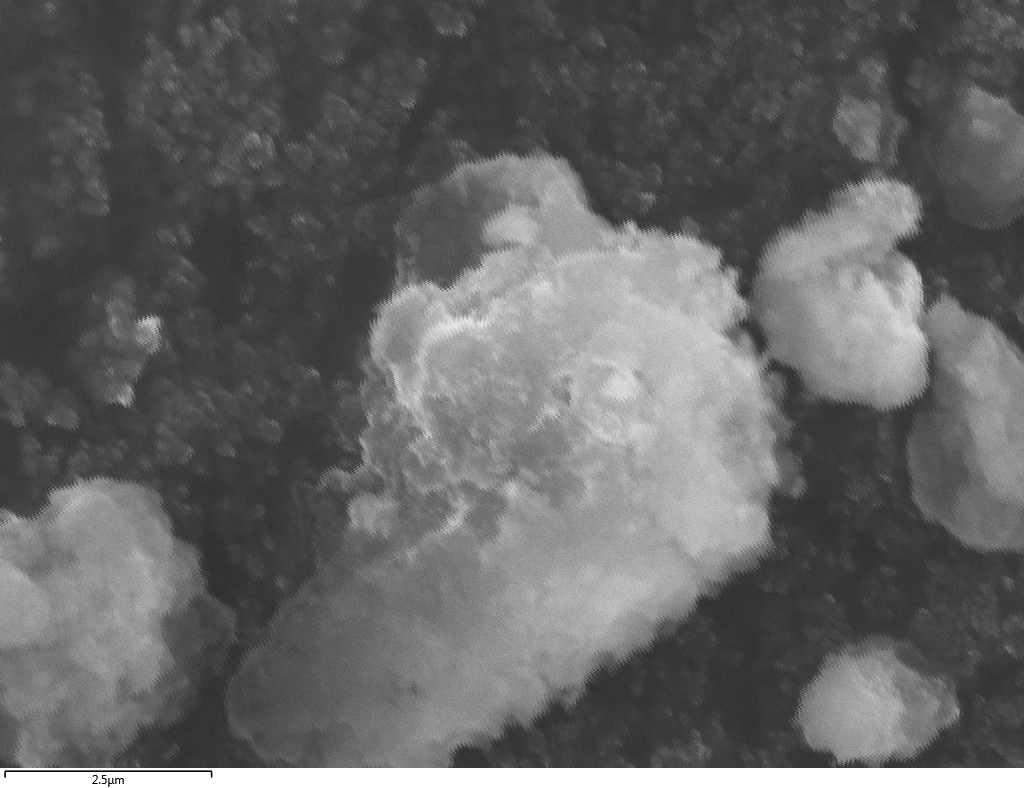
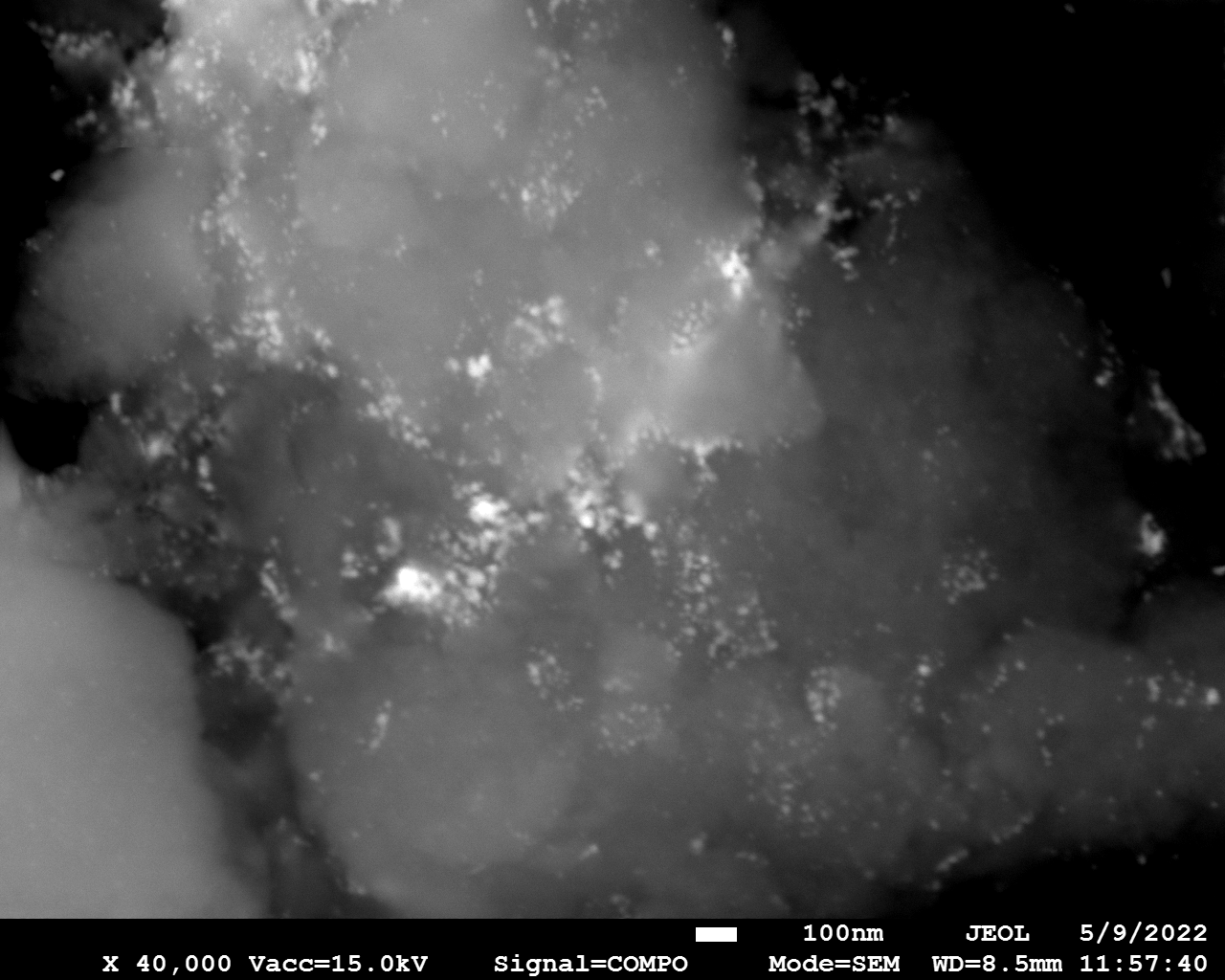
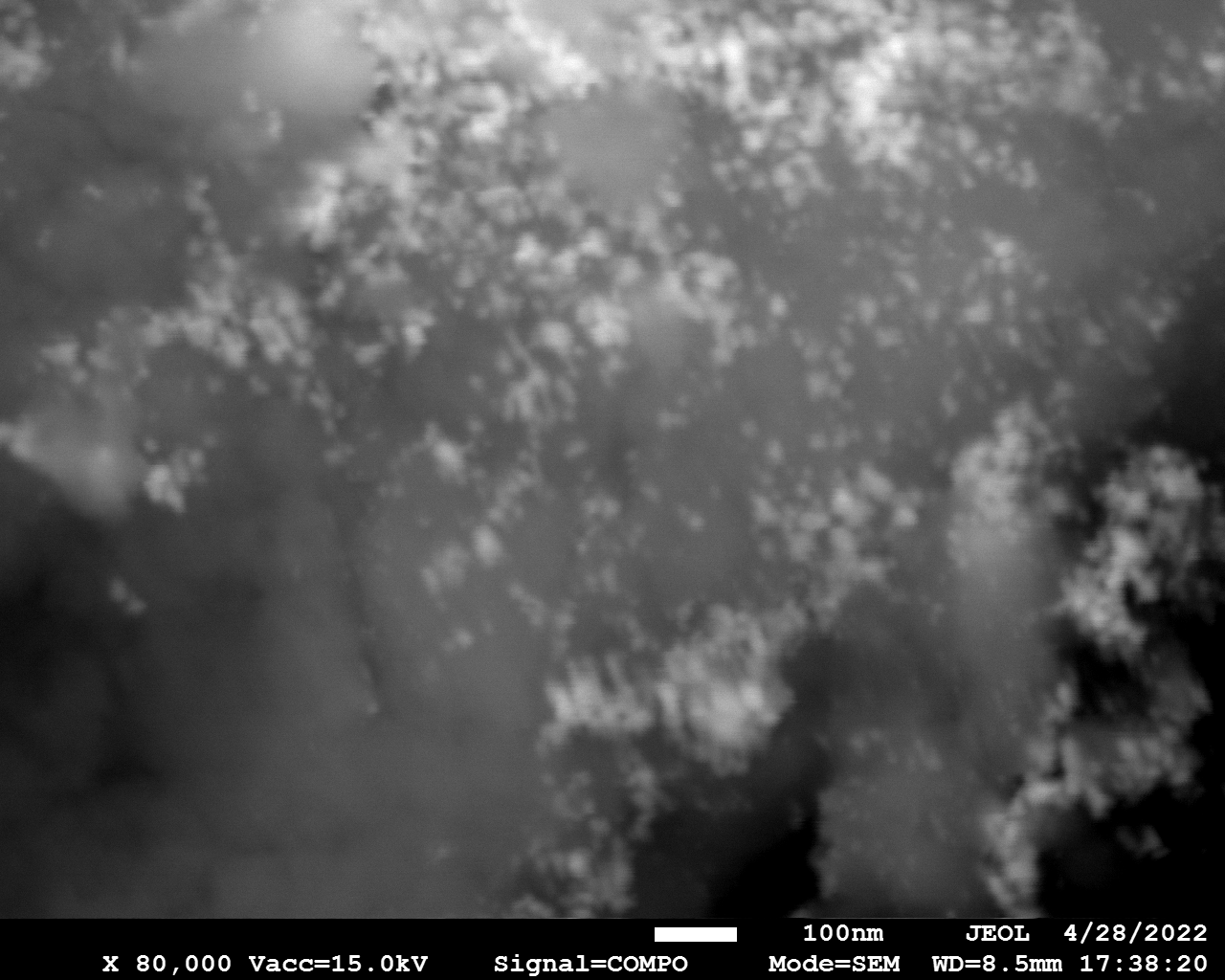
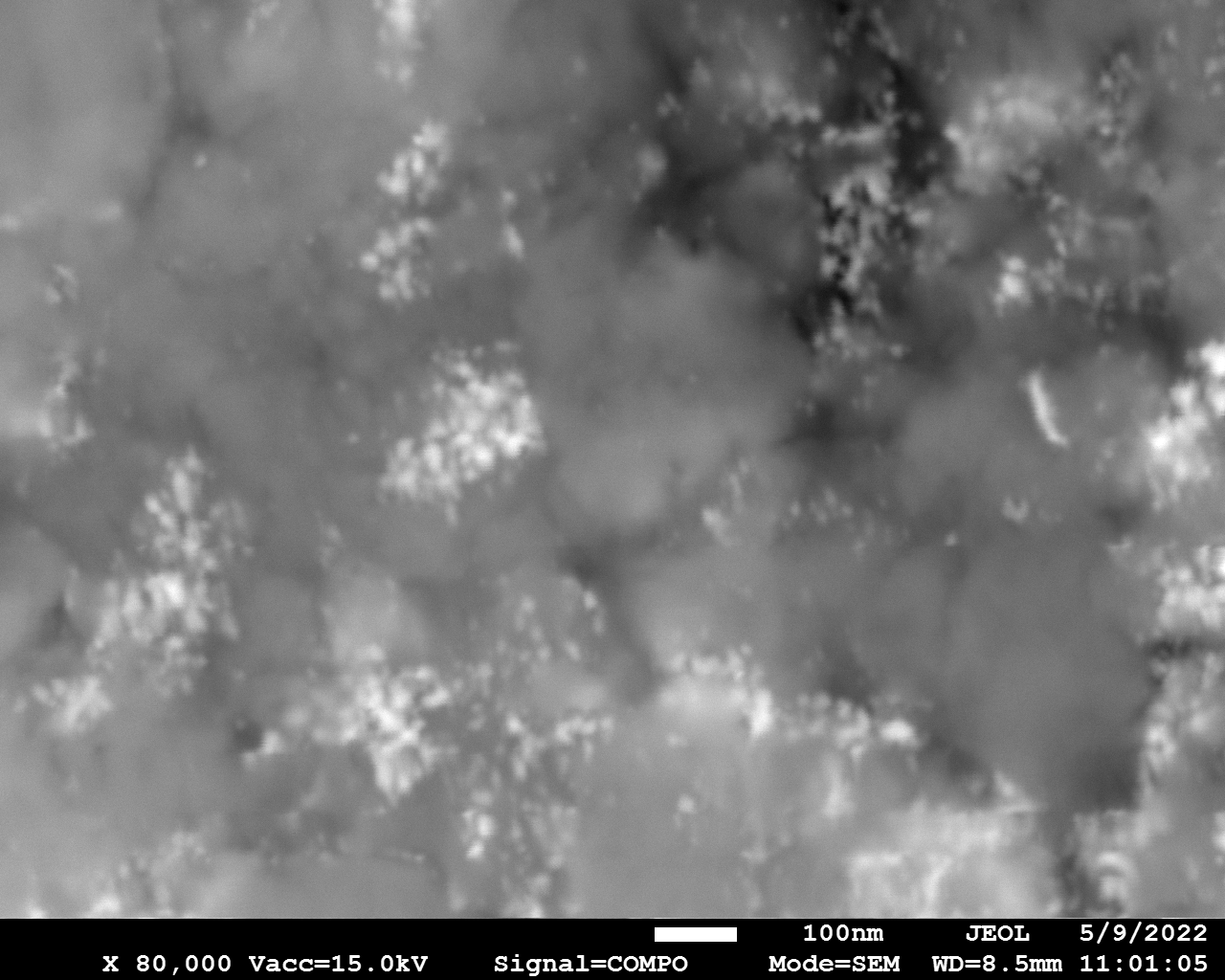
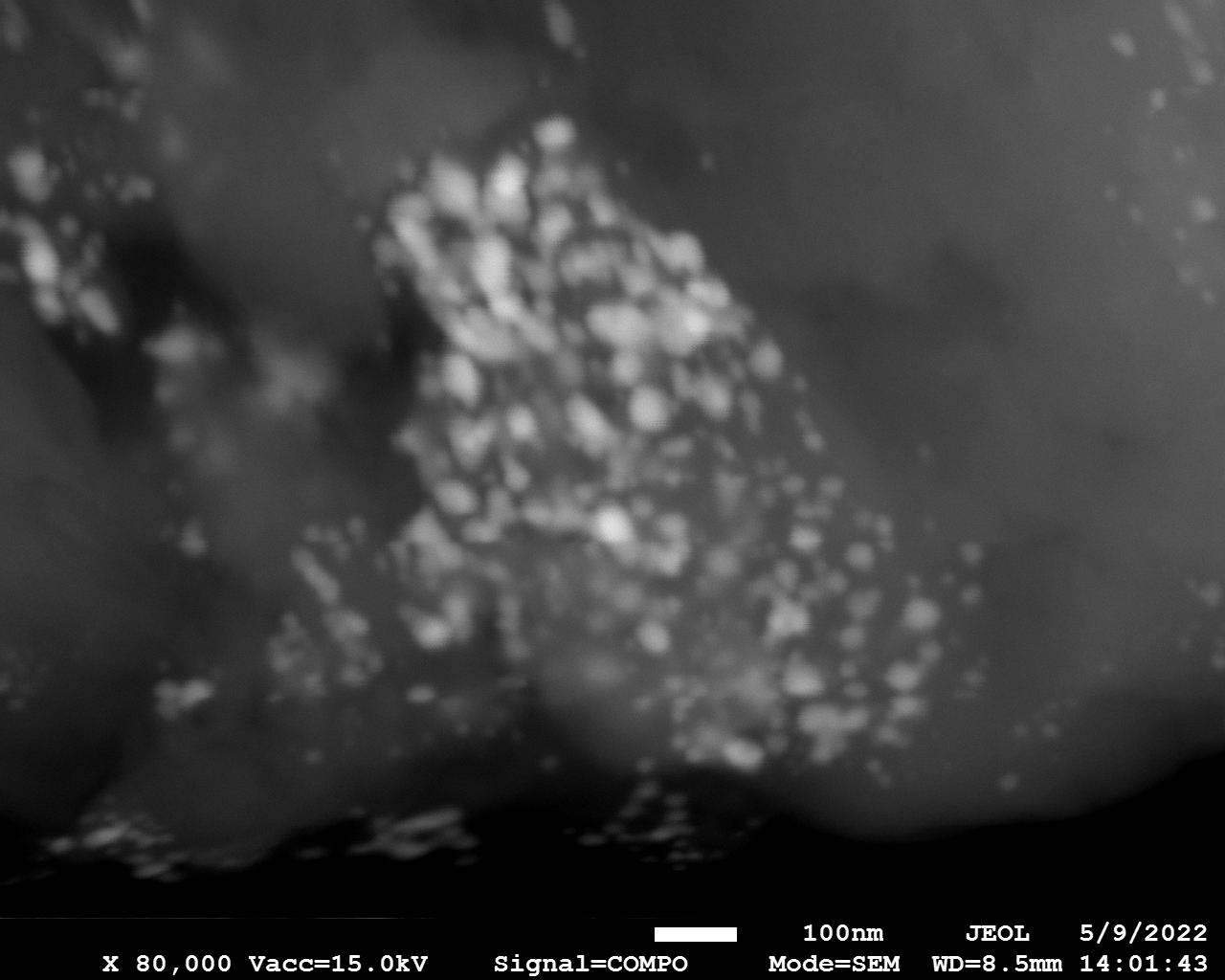
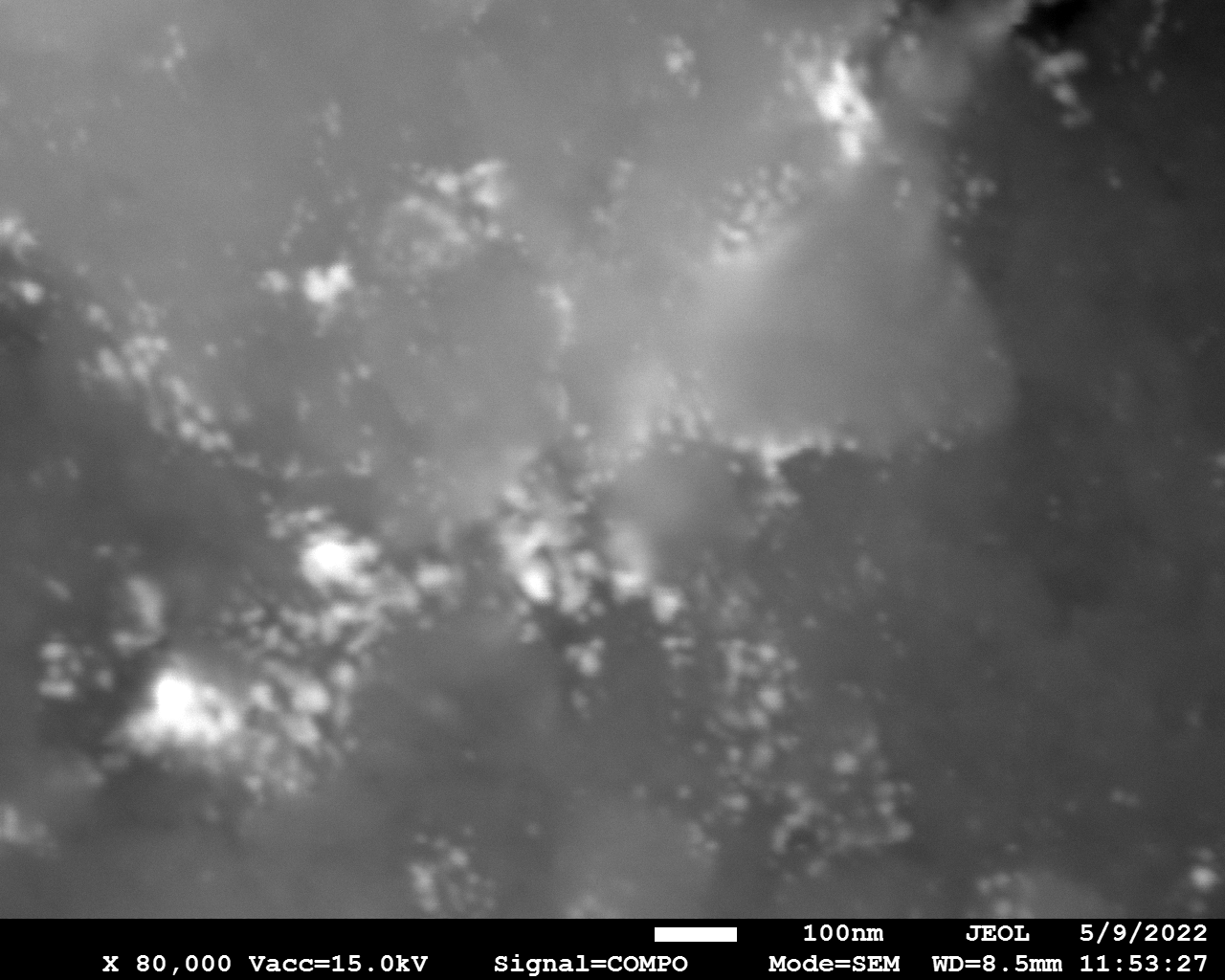
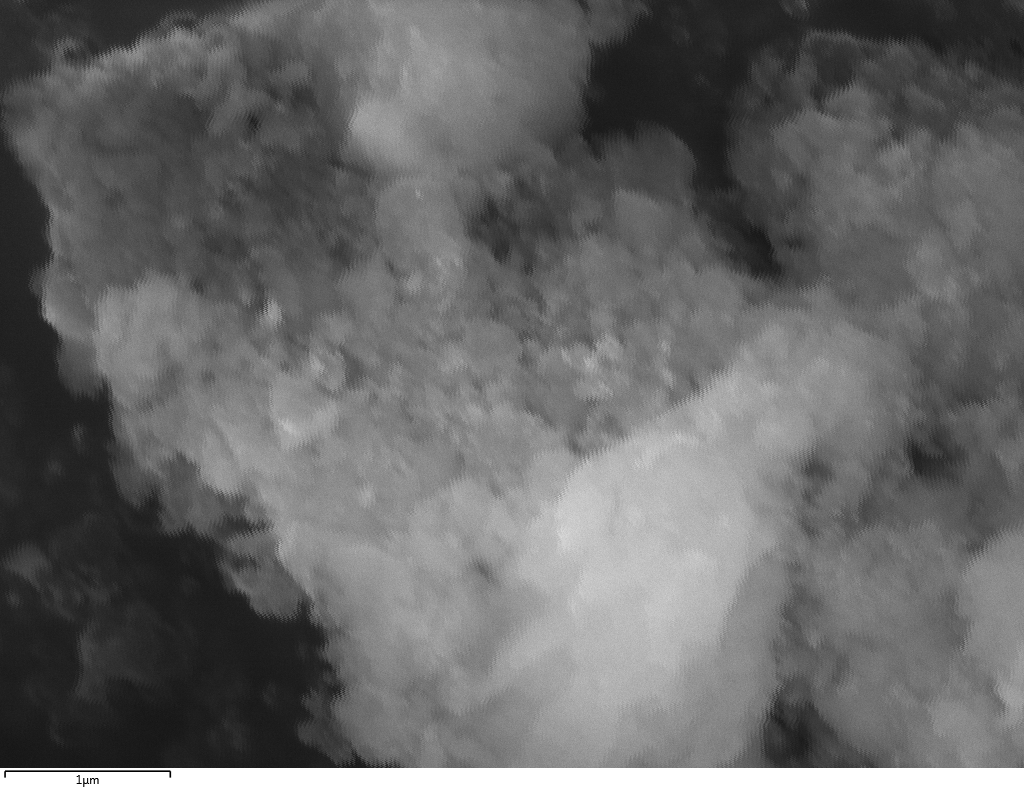
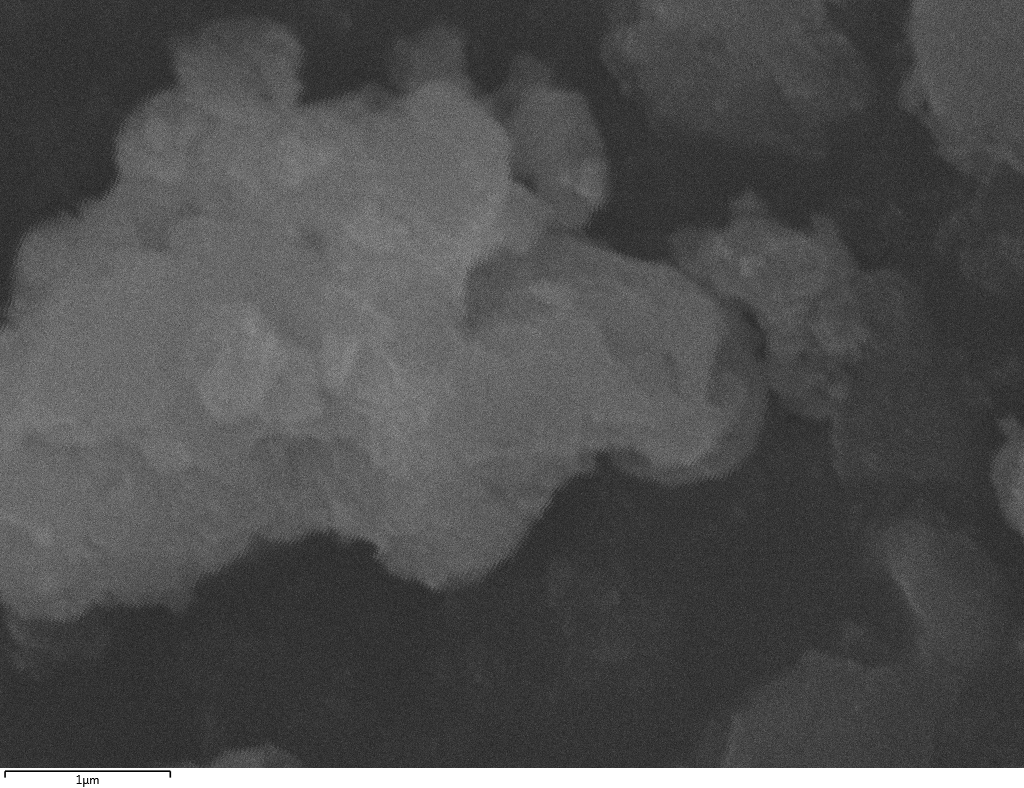
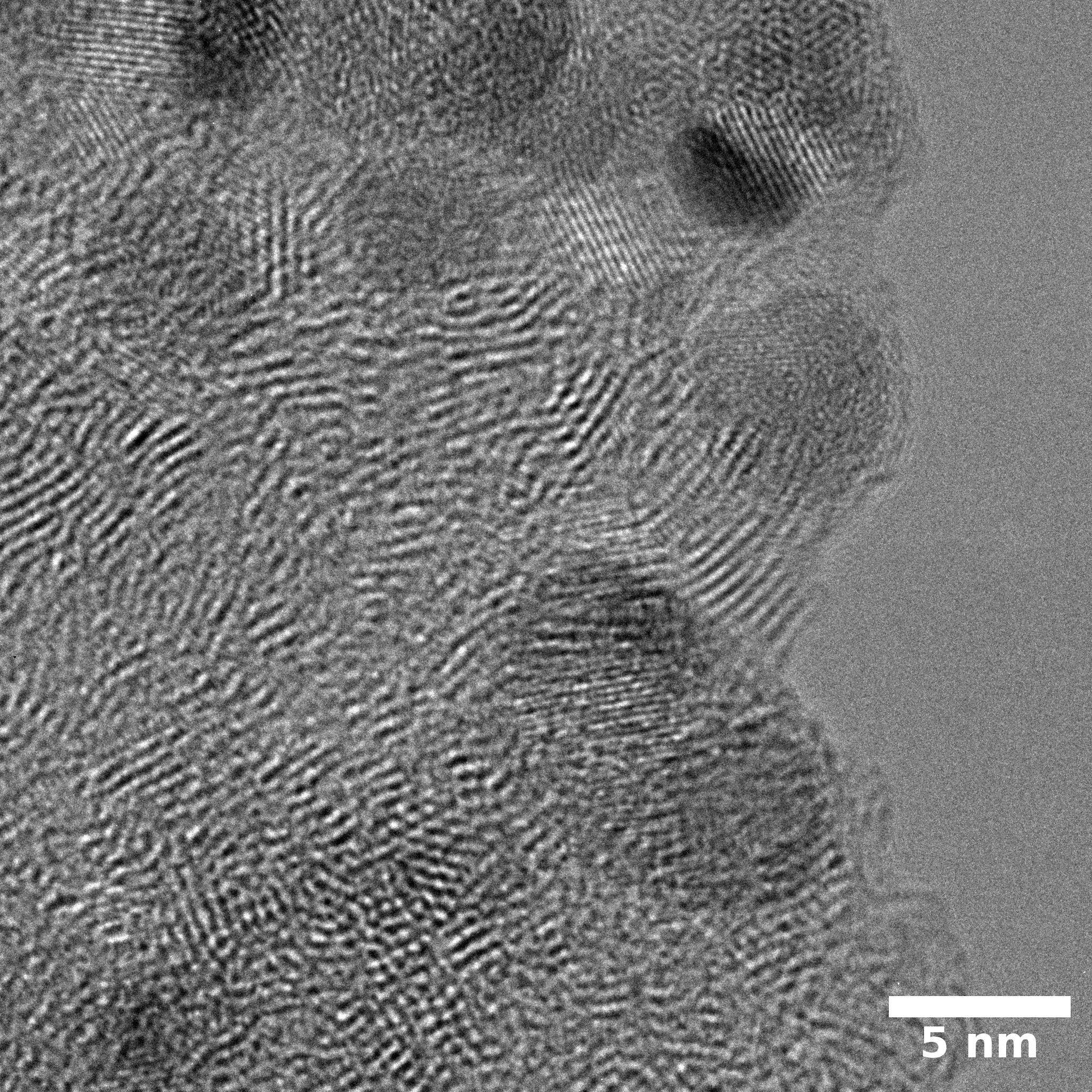
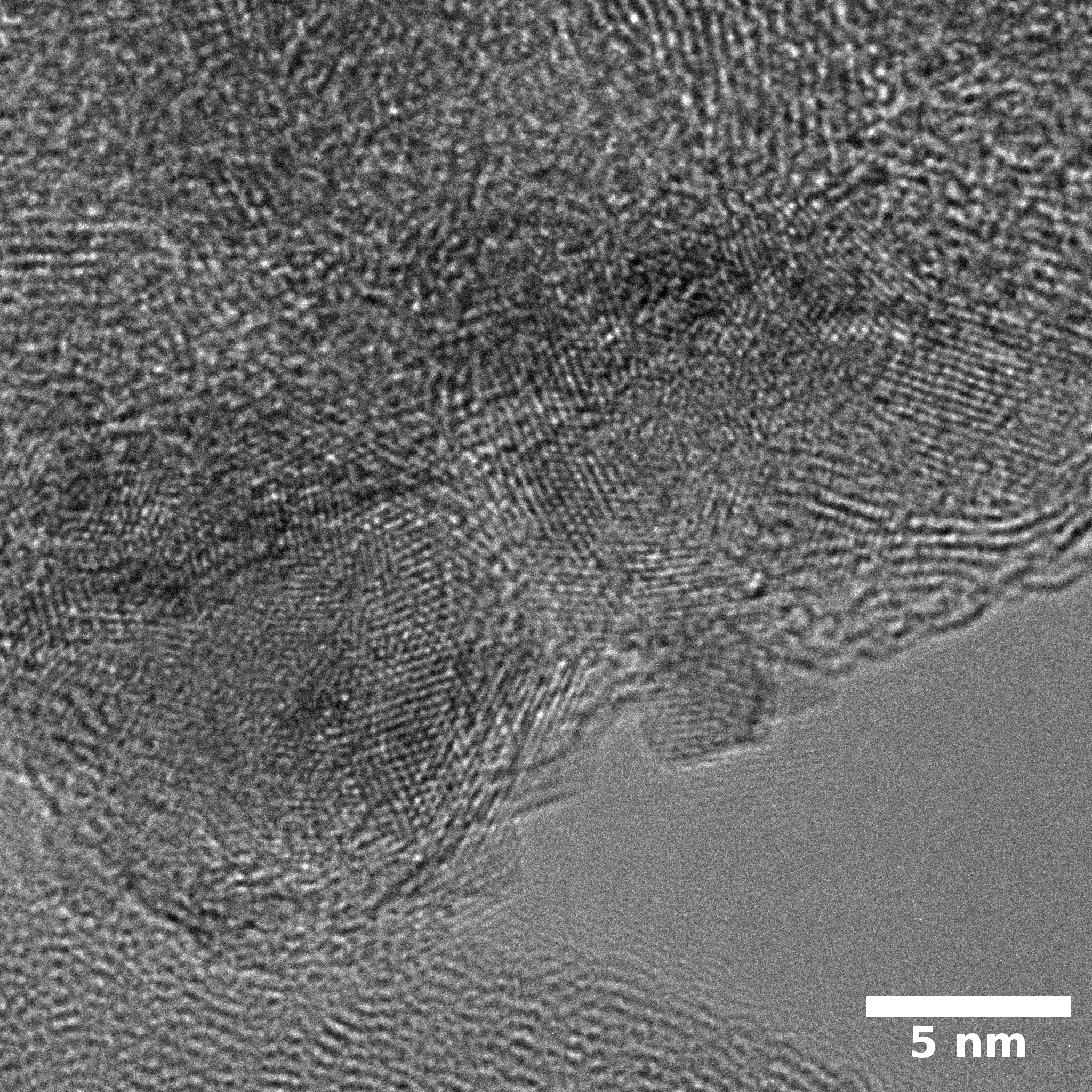
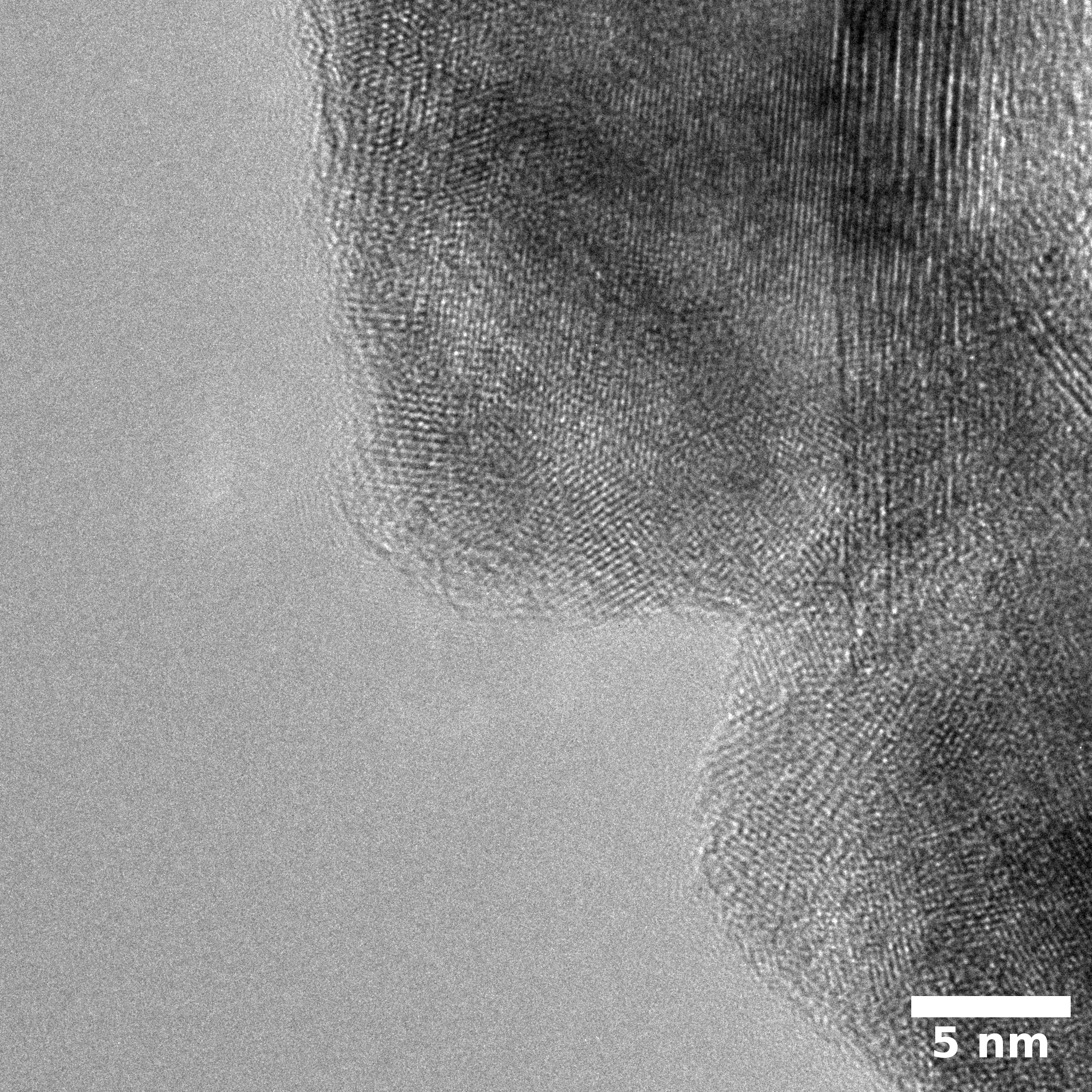
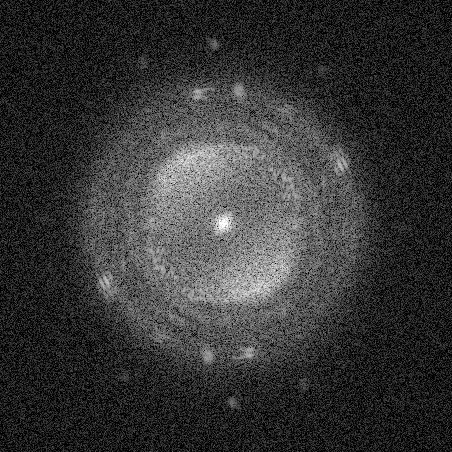
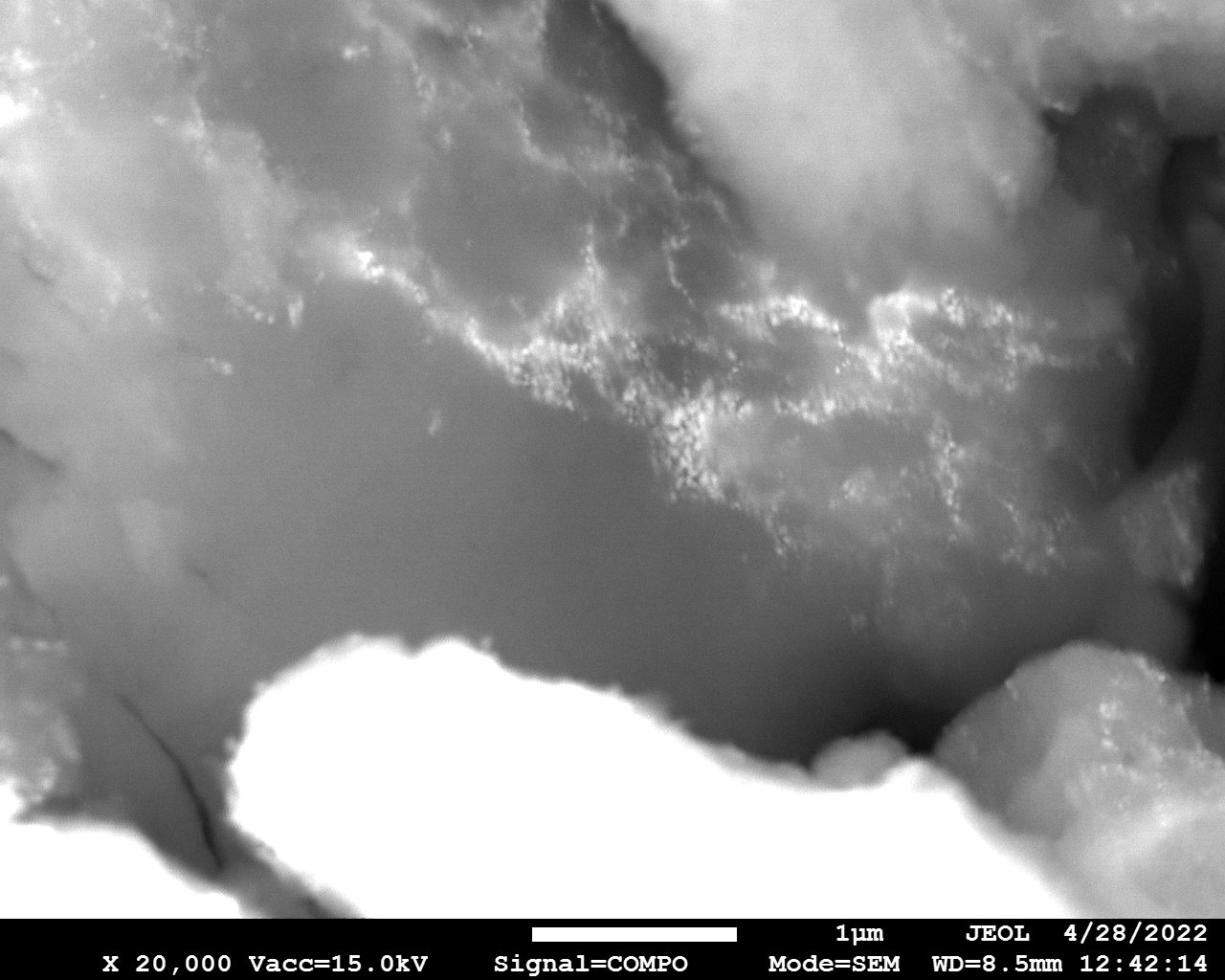
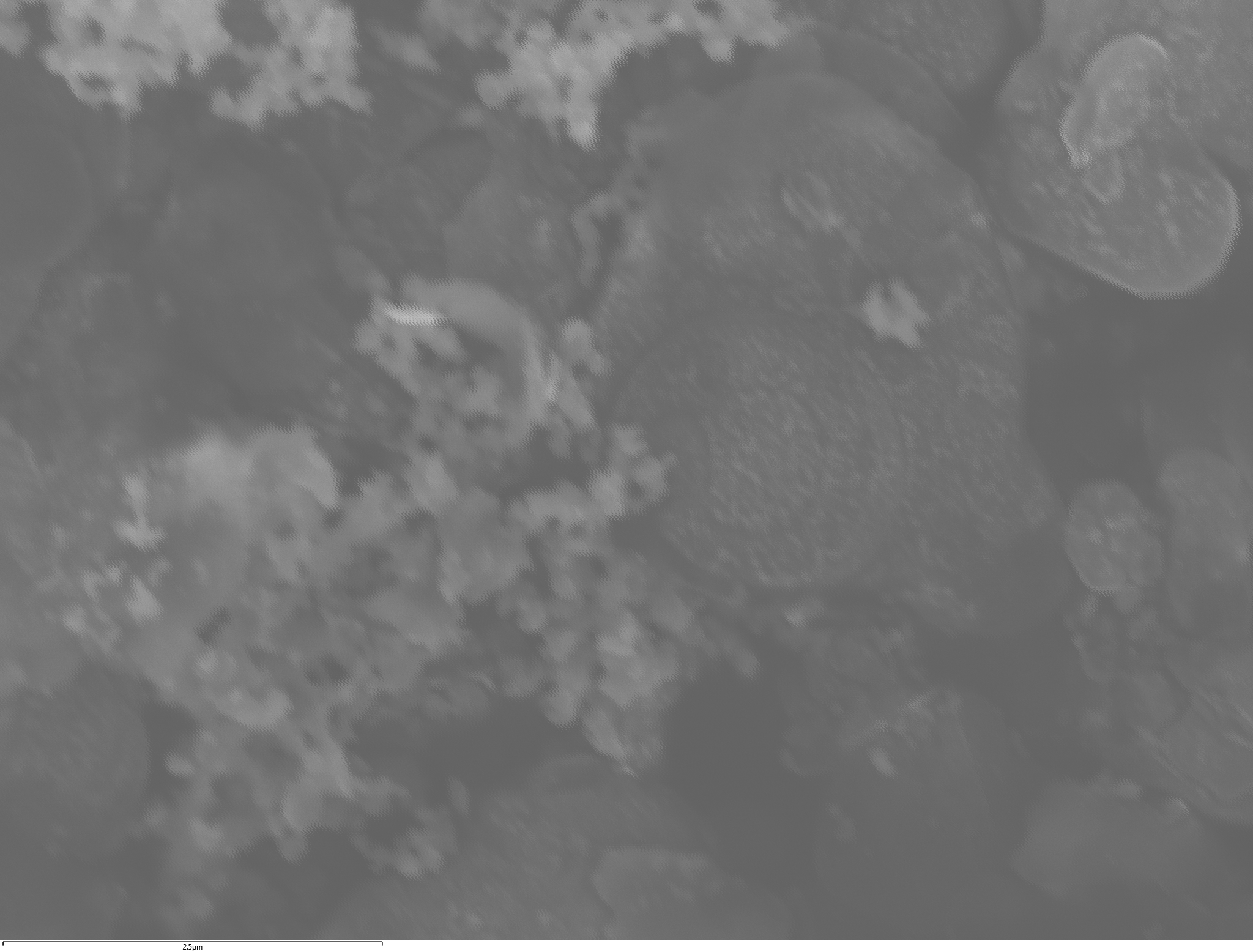
Samples consist of particles with size < 100 nm on the surface of h-BN. The increase of b/s ratio leads to decrease of particles size and their uniform distribution on the surface of hBN.
![]() |
![]() |
![]() |
![]() |
|
![]() |
![]() |
![]() |
![]() |
![]() |
| dl109: no mill | dl121: b/s=22 | dl122: b/s=33 | dl126: b/s=44 | dl123: b/s=51 |
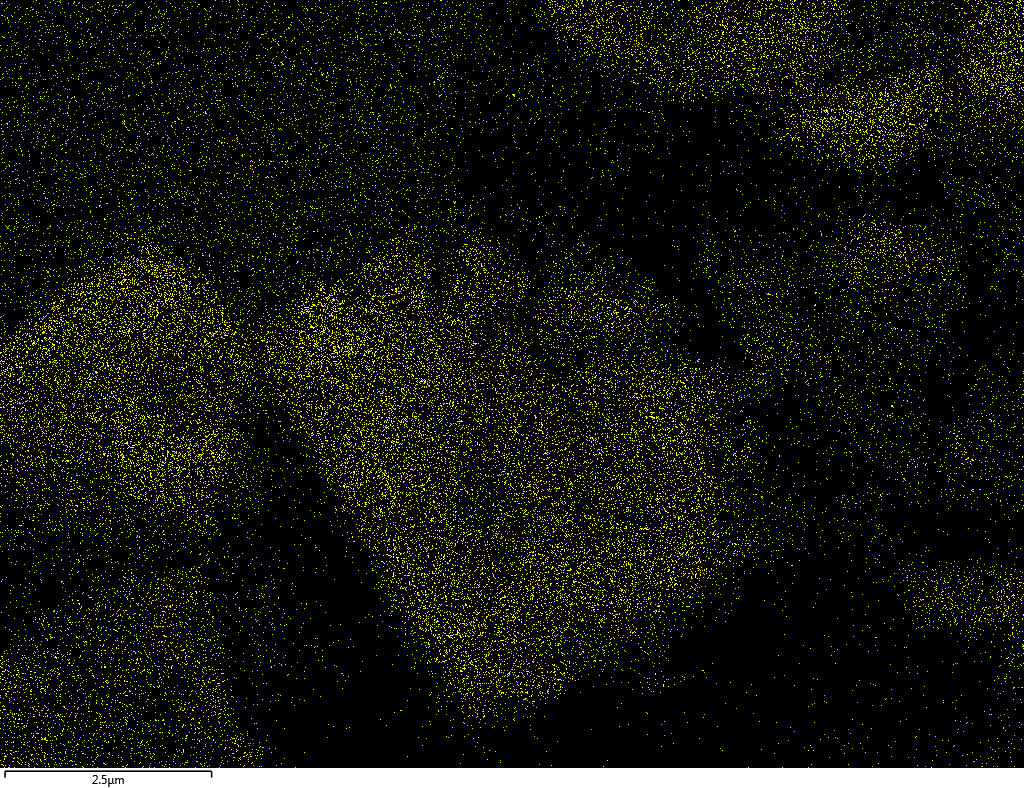
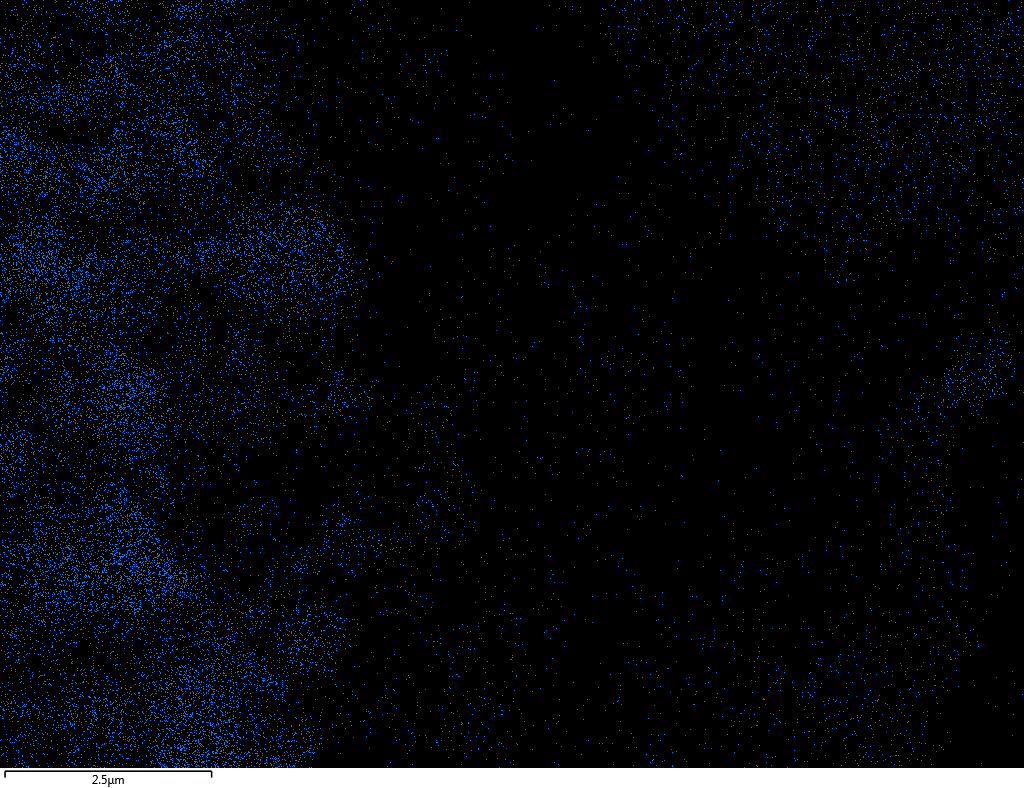
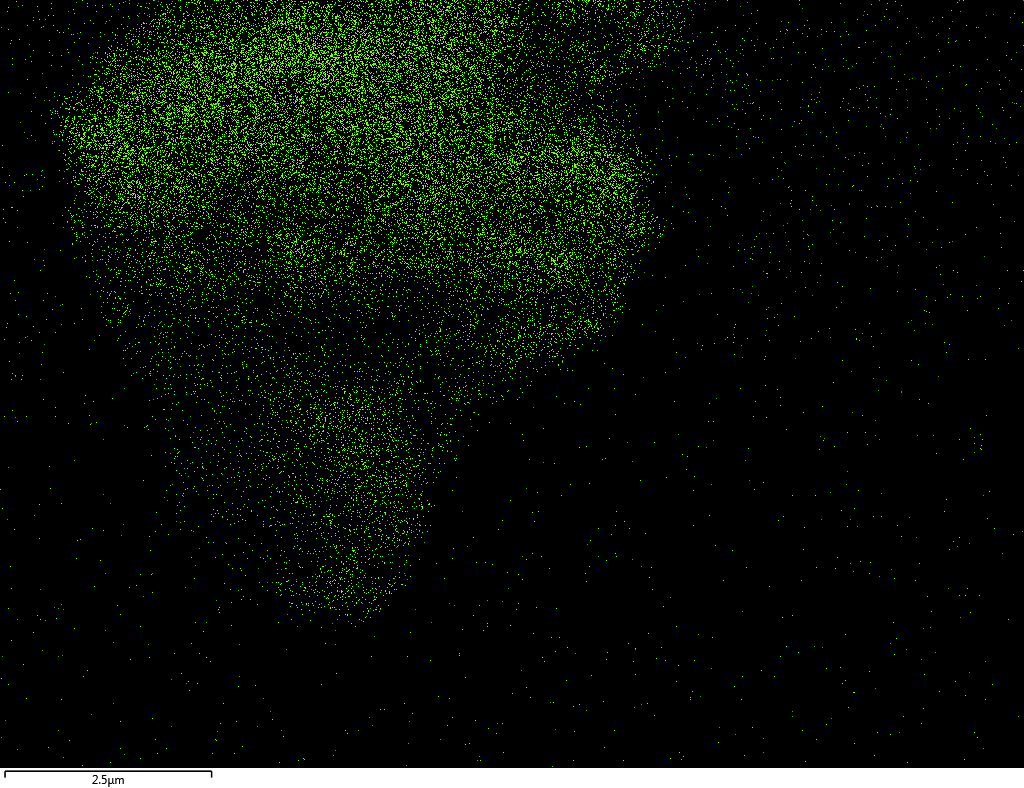
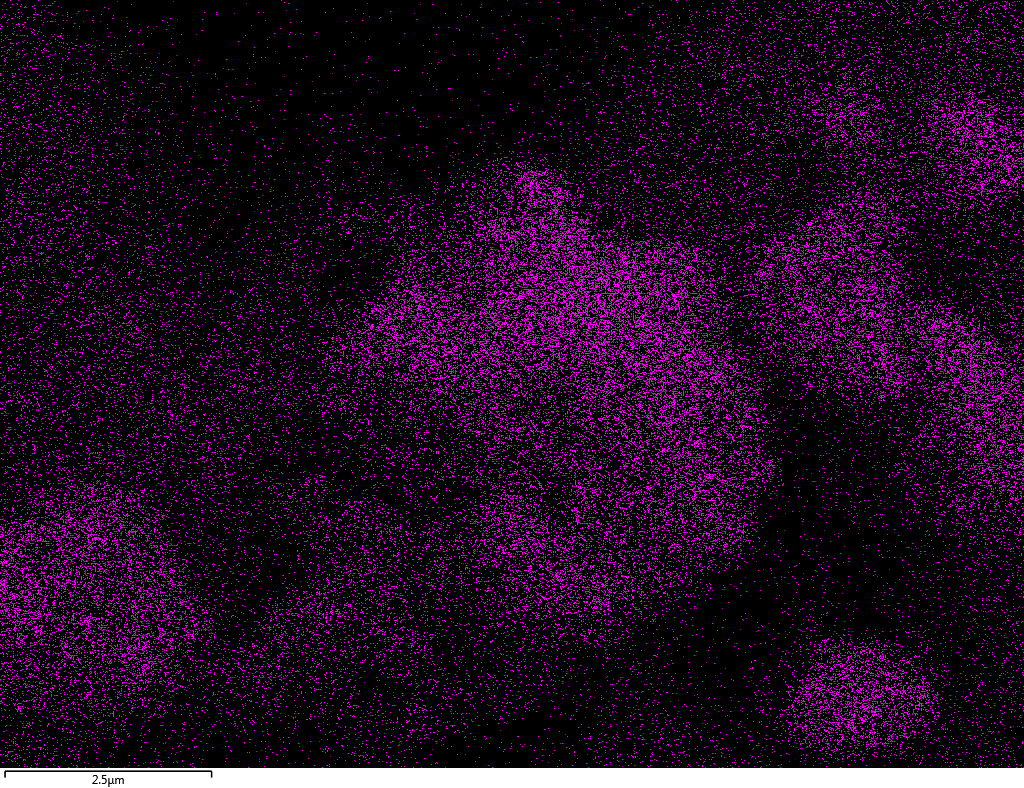
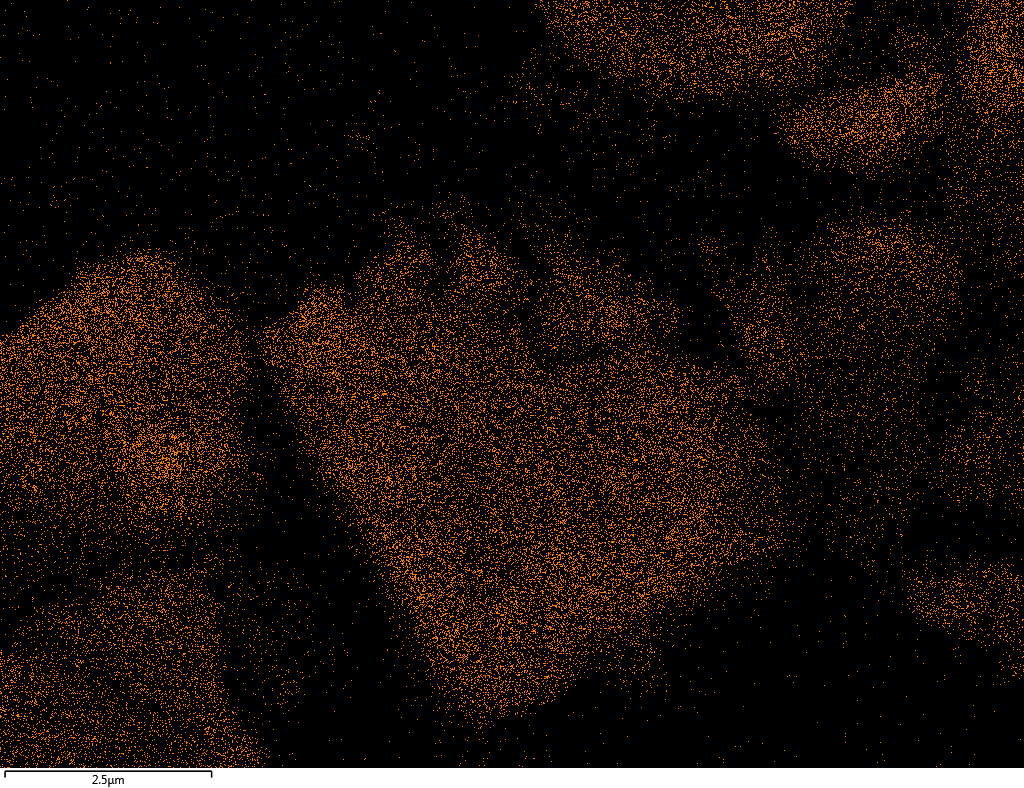
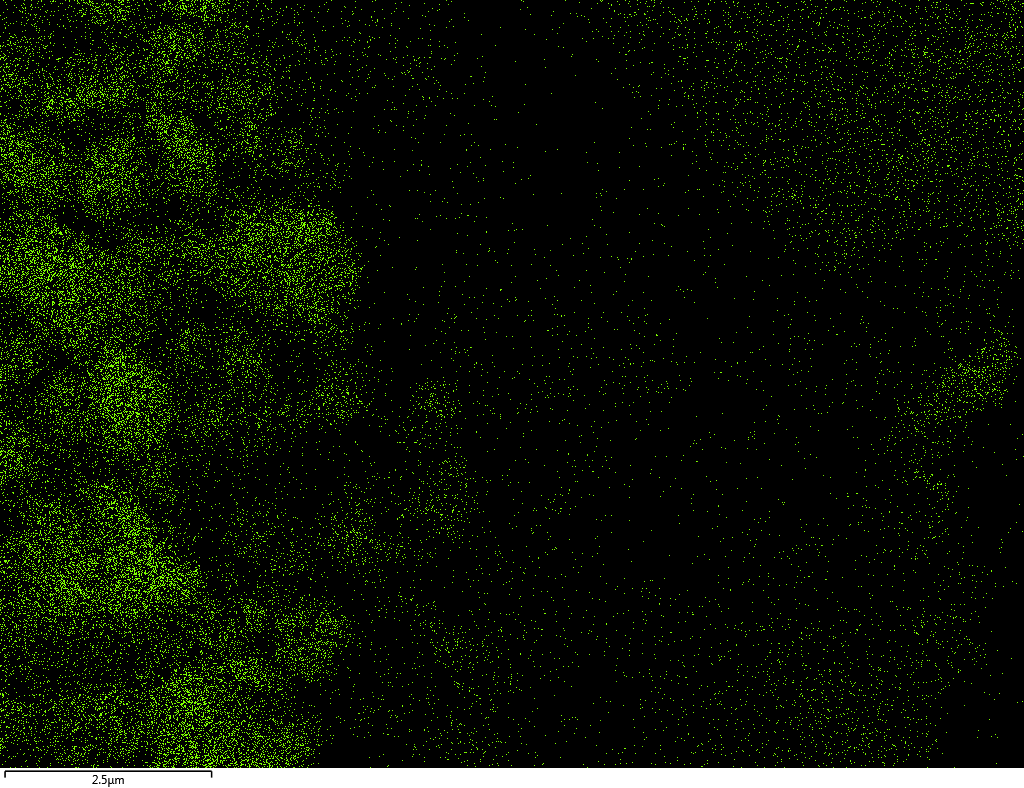
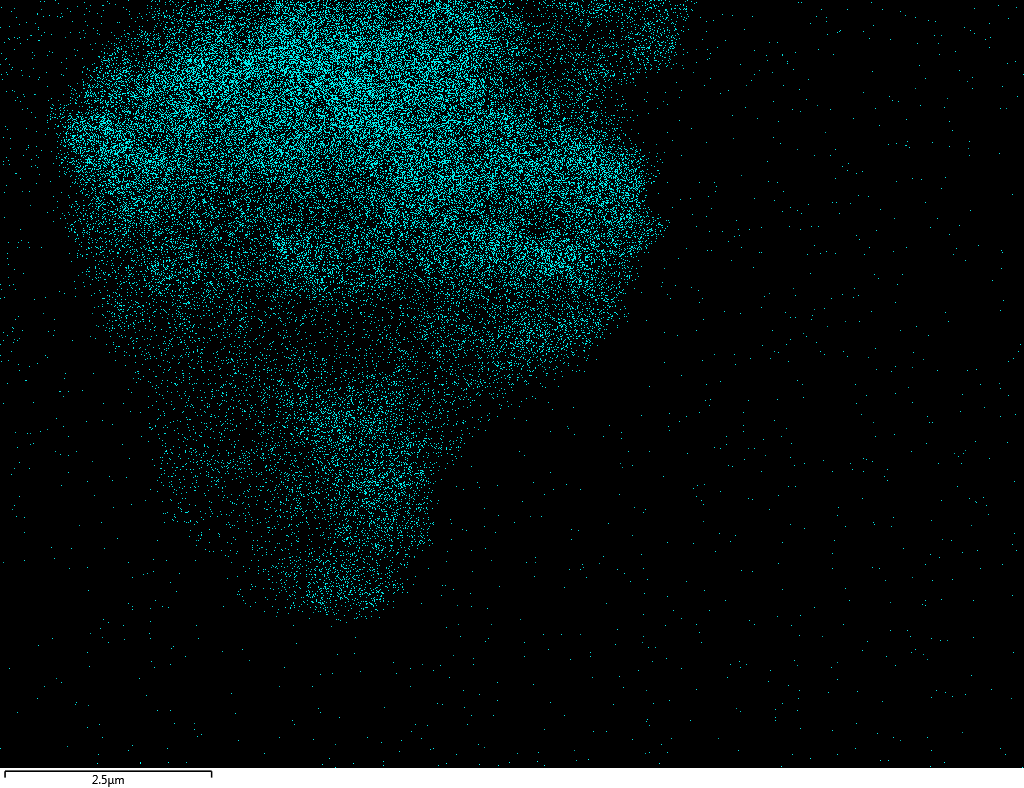
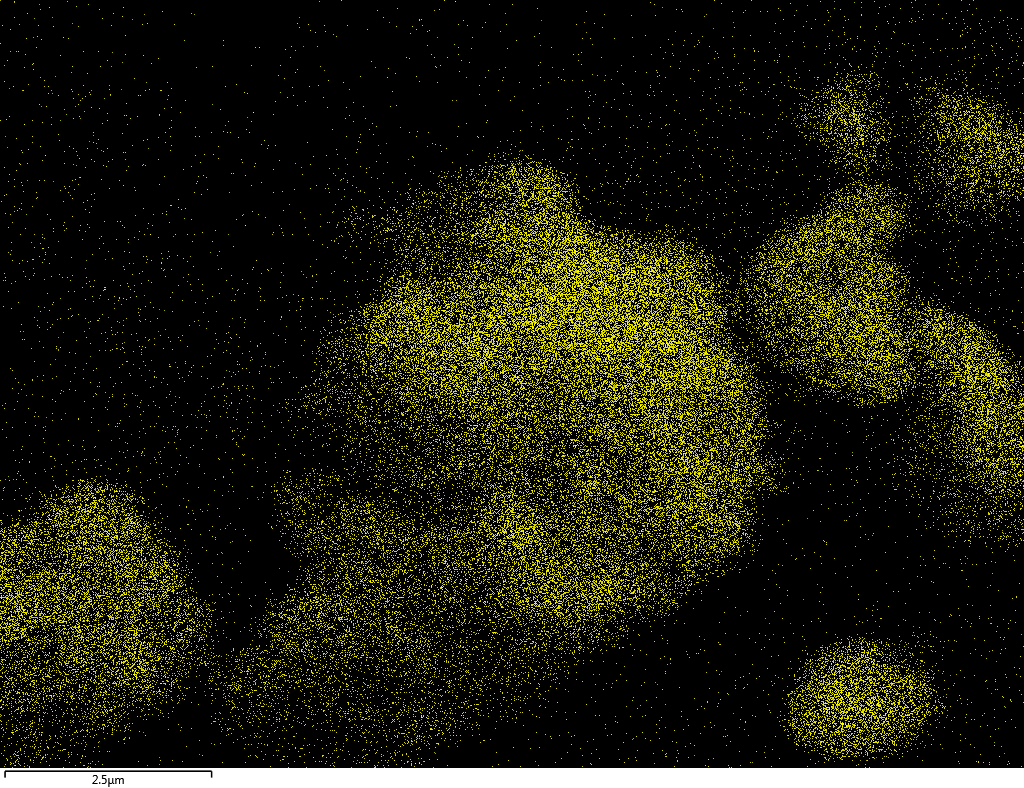
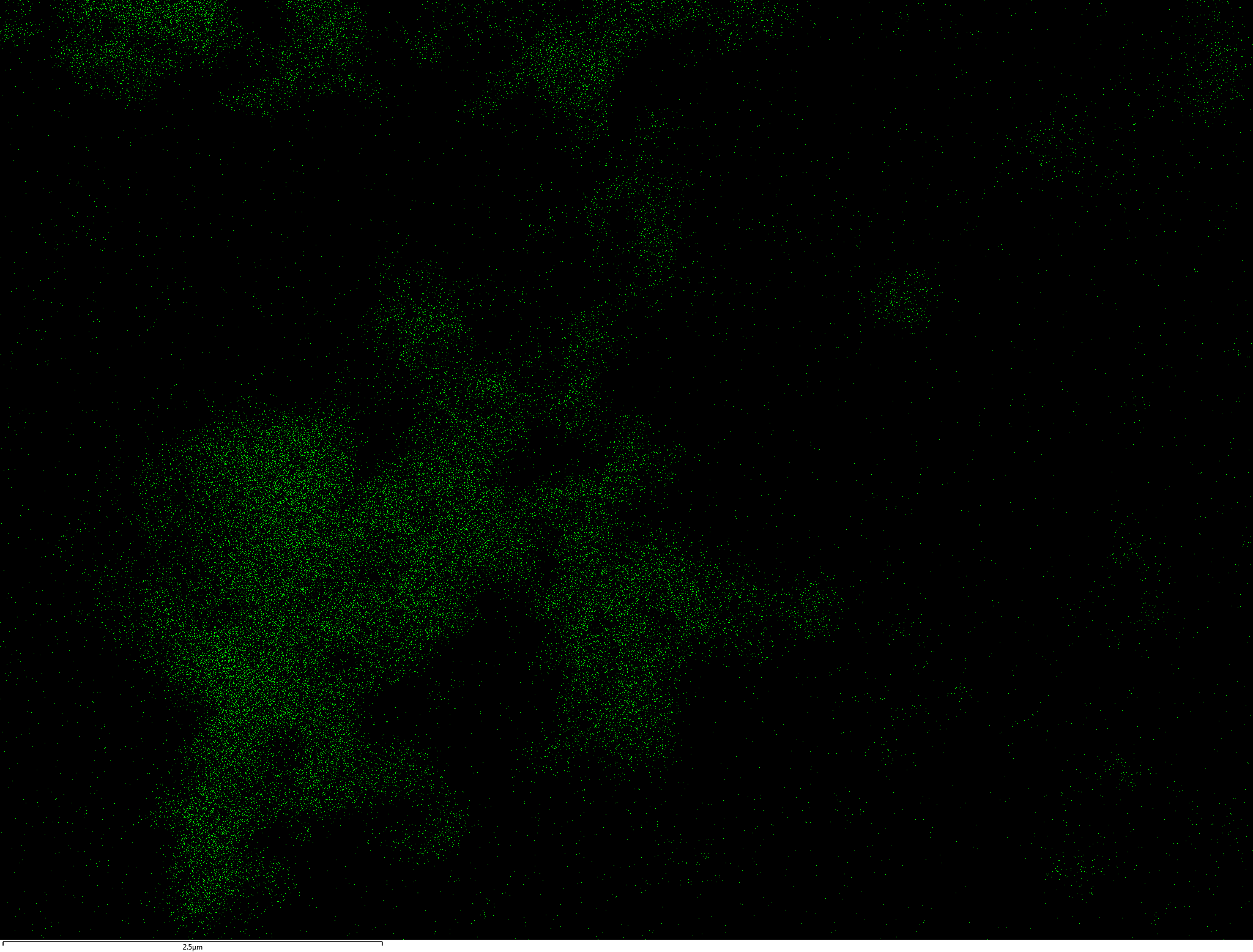
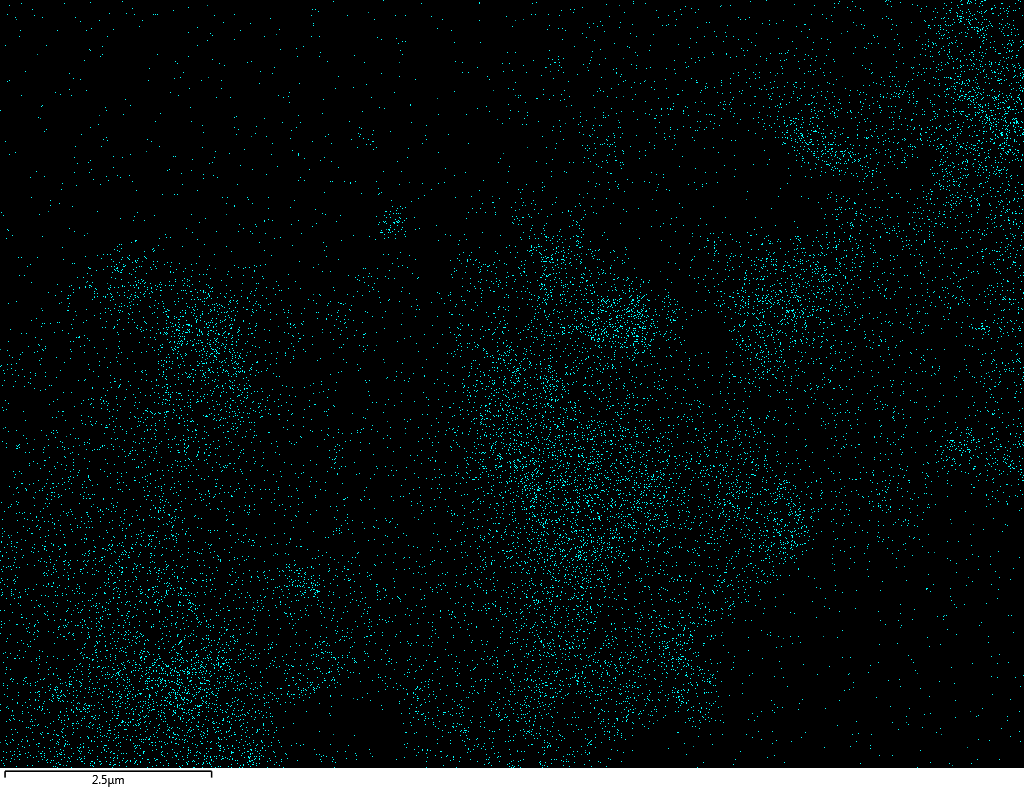
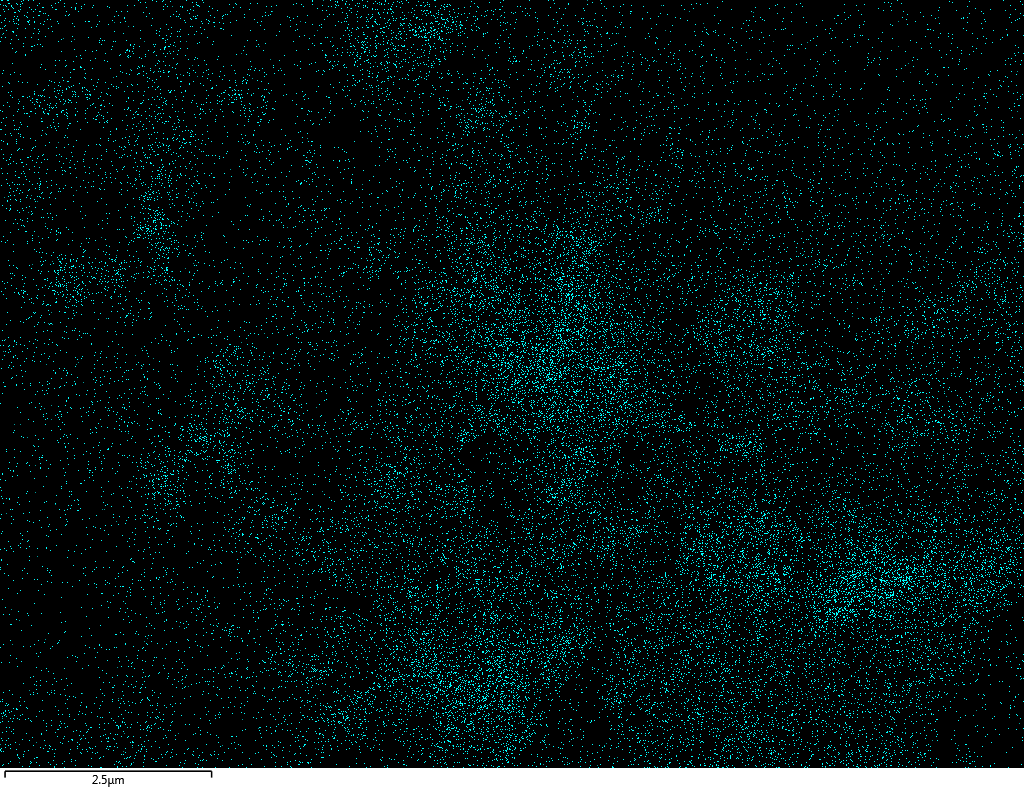
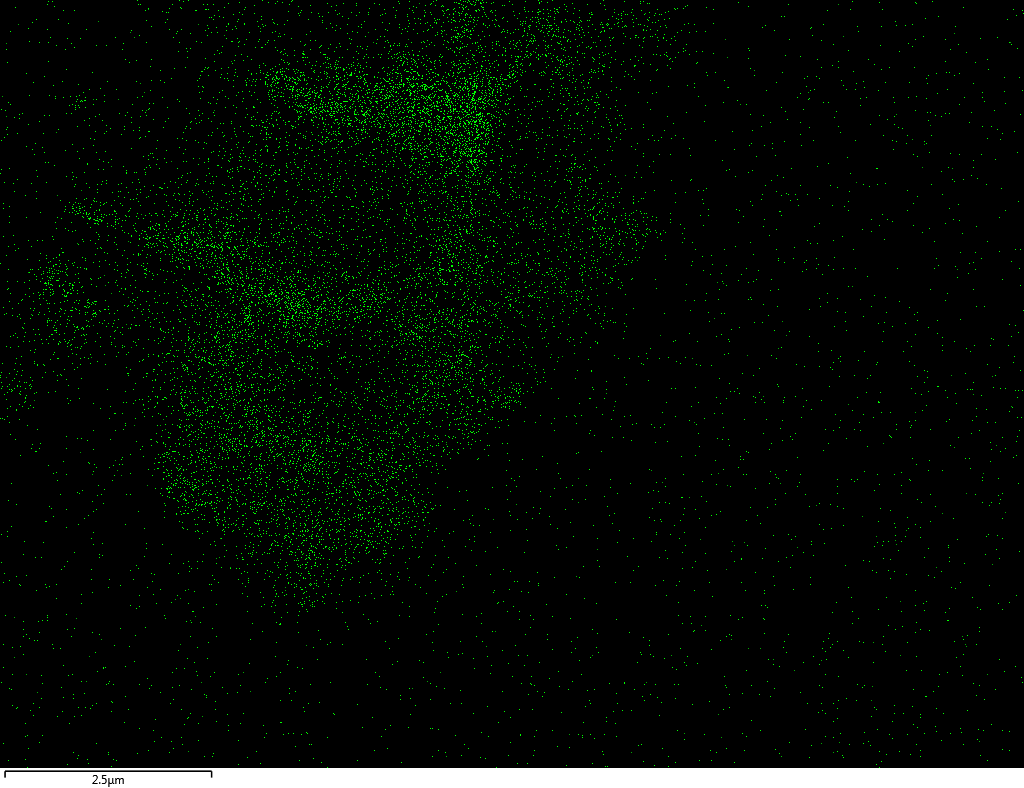
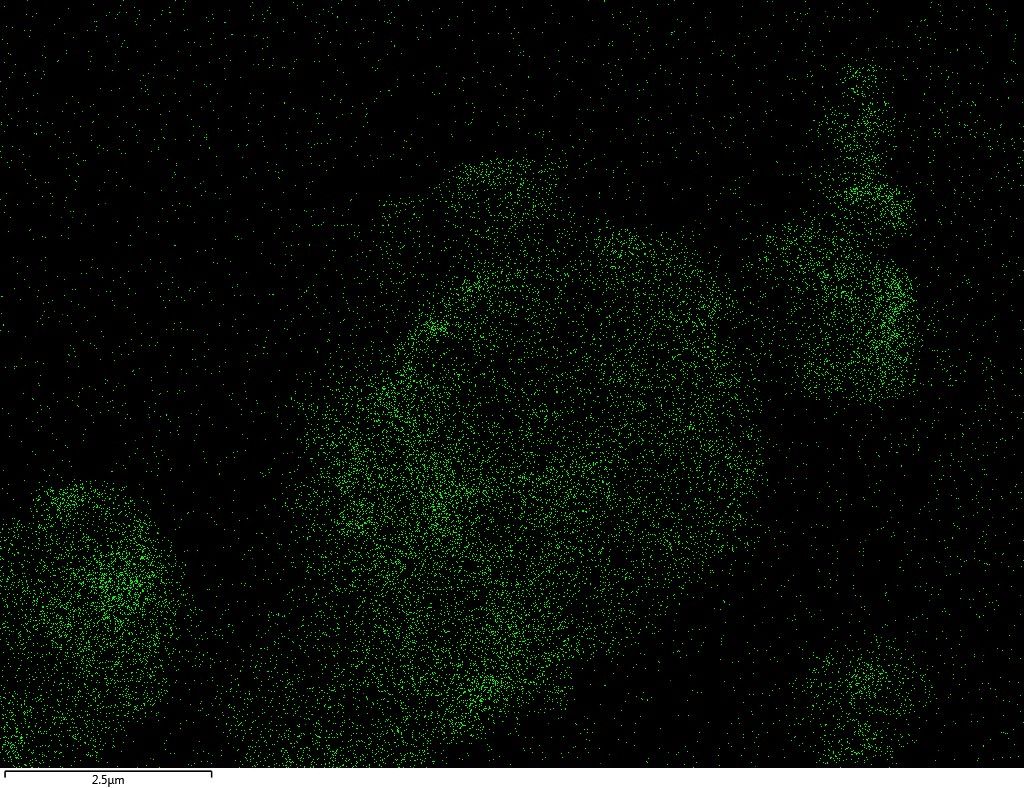
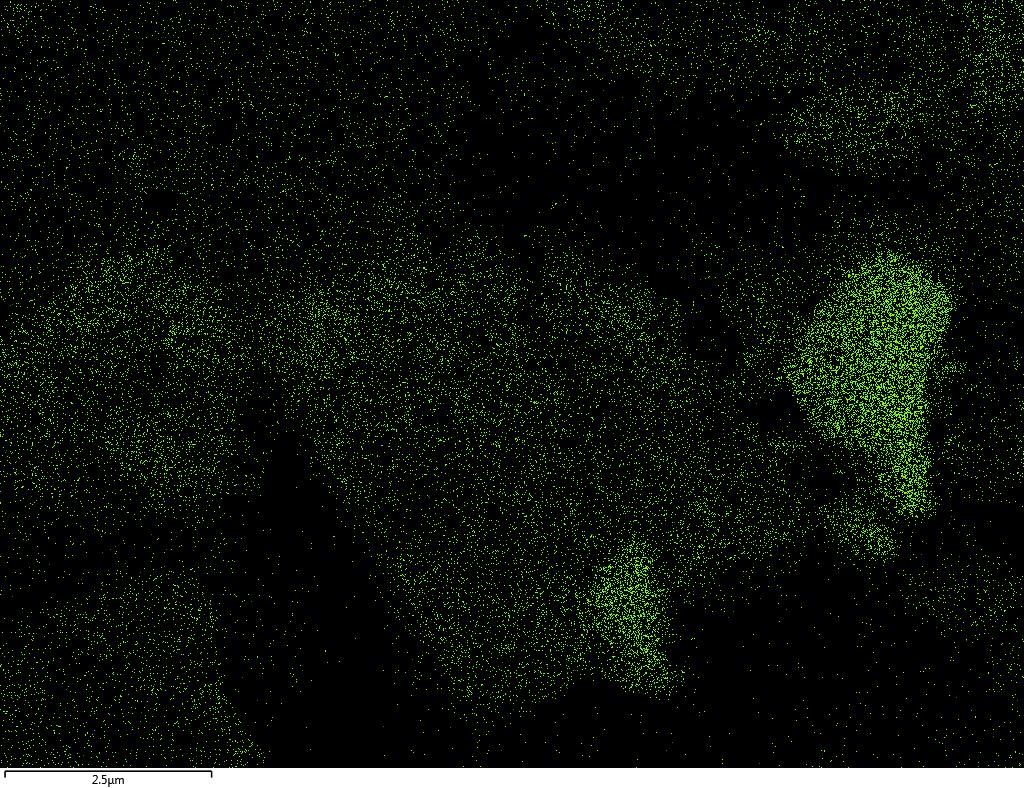
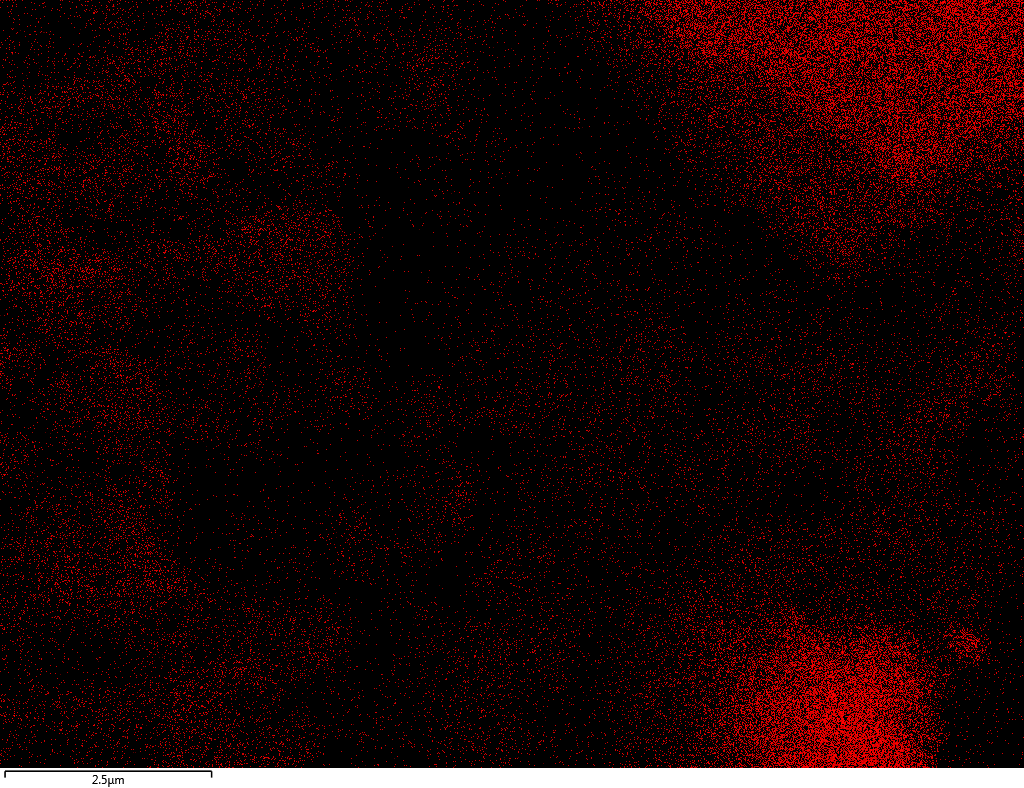
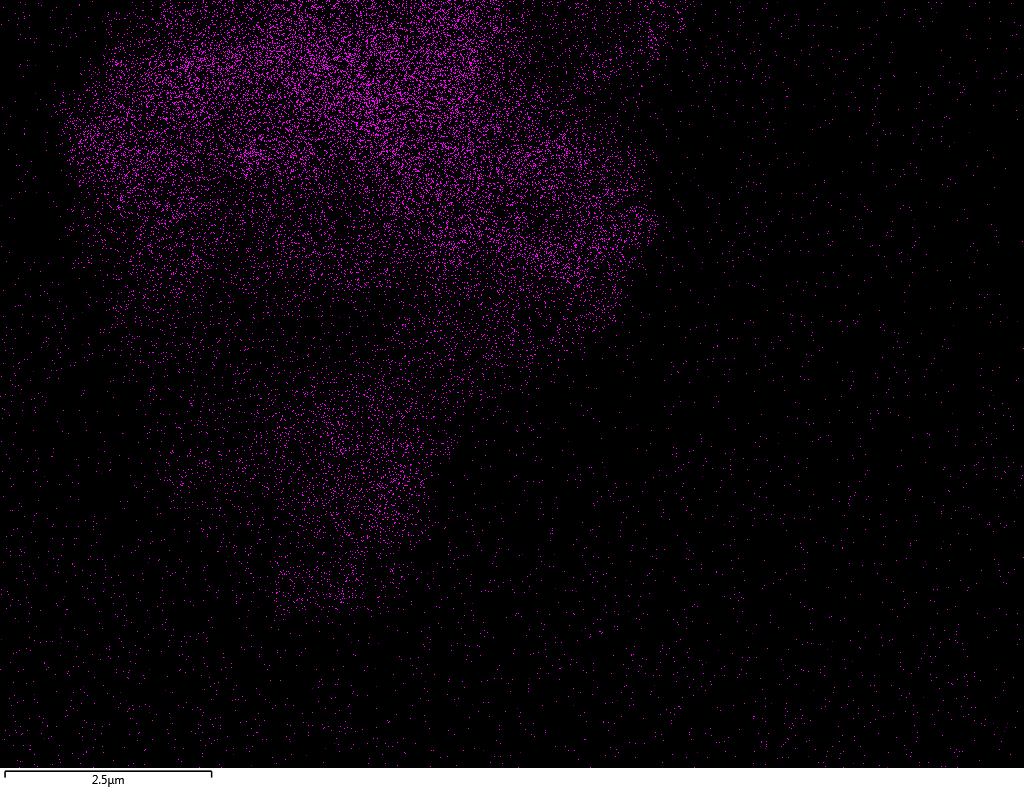
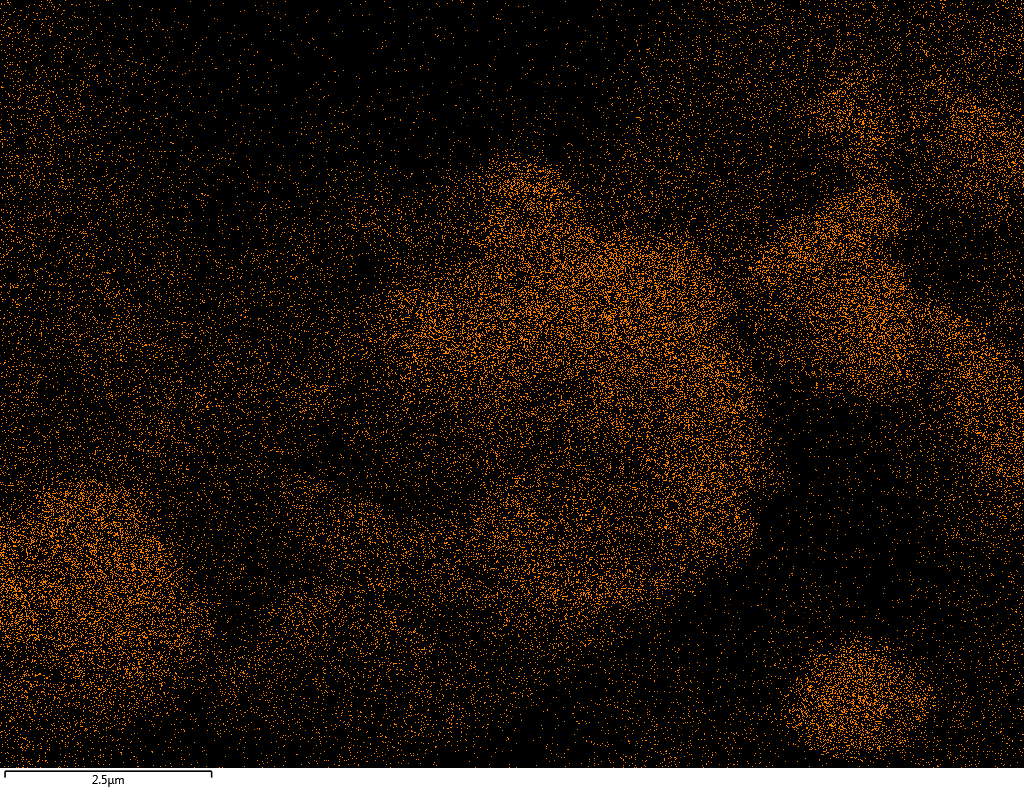
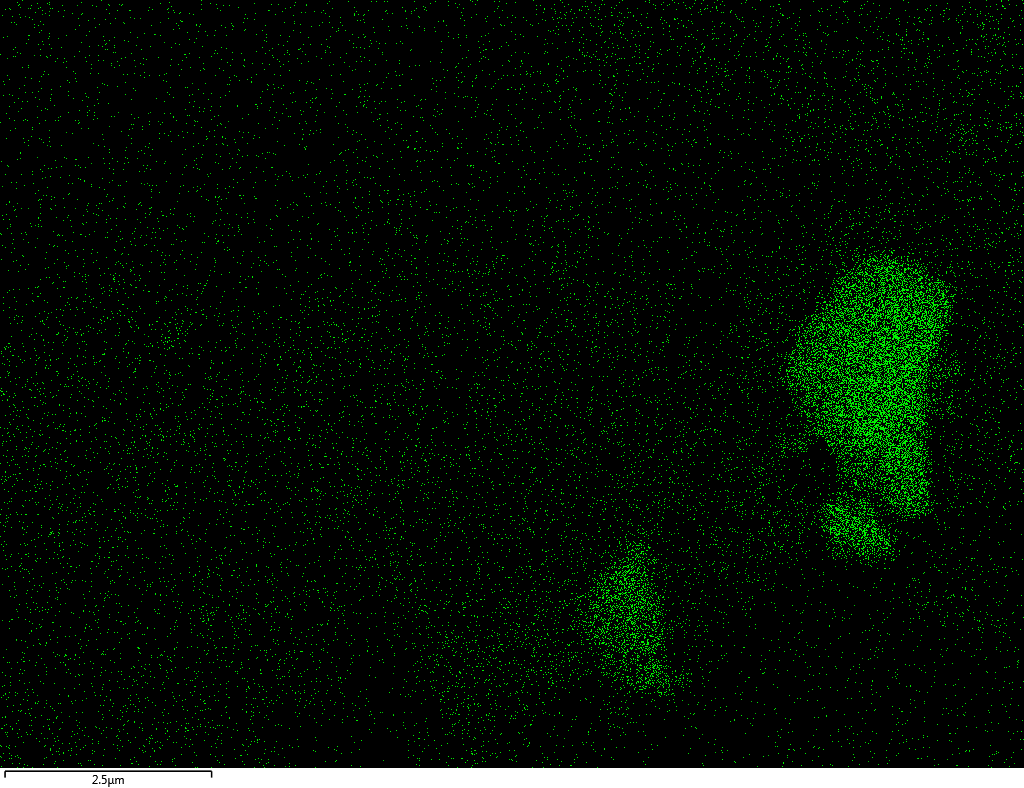
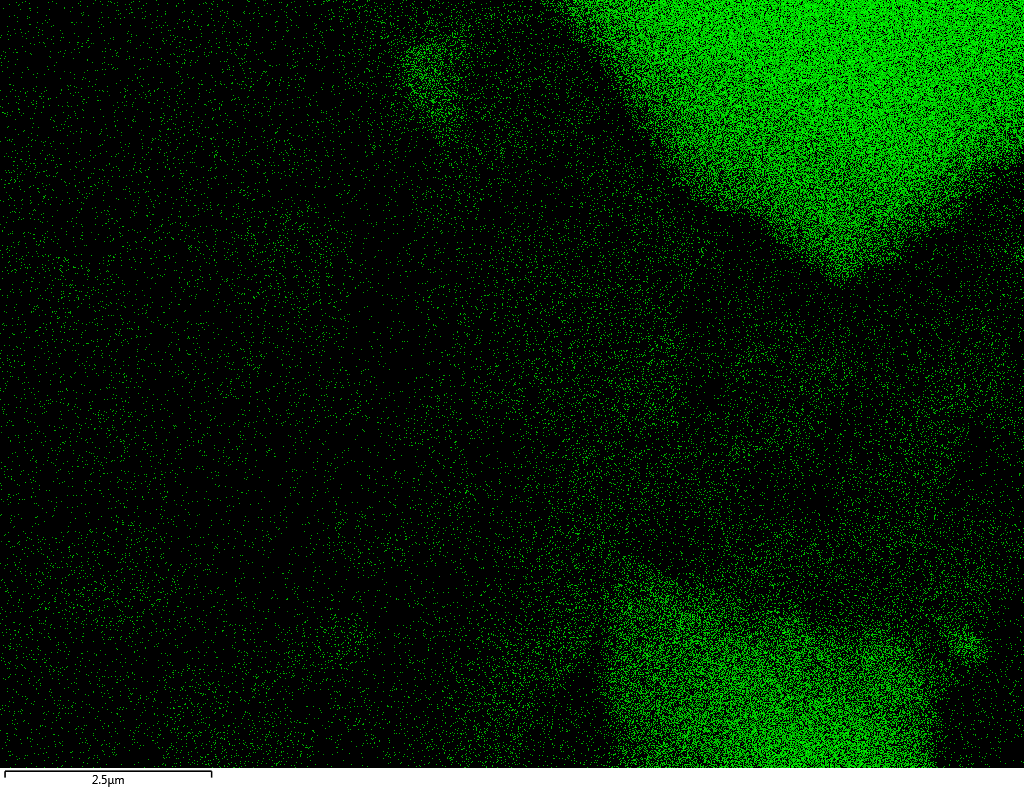
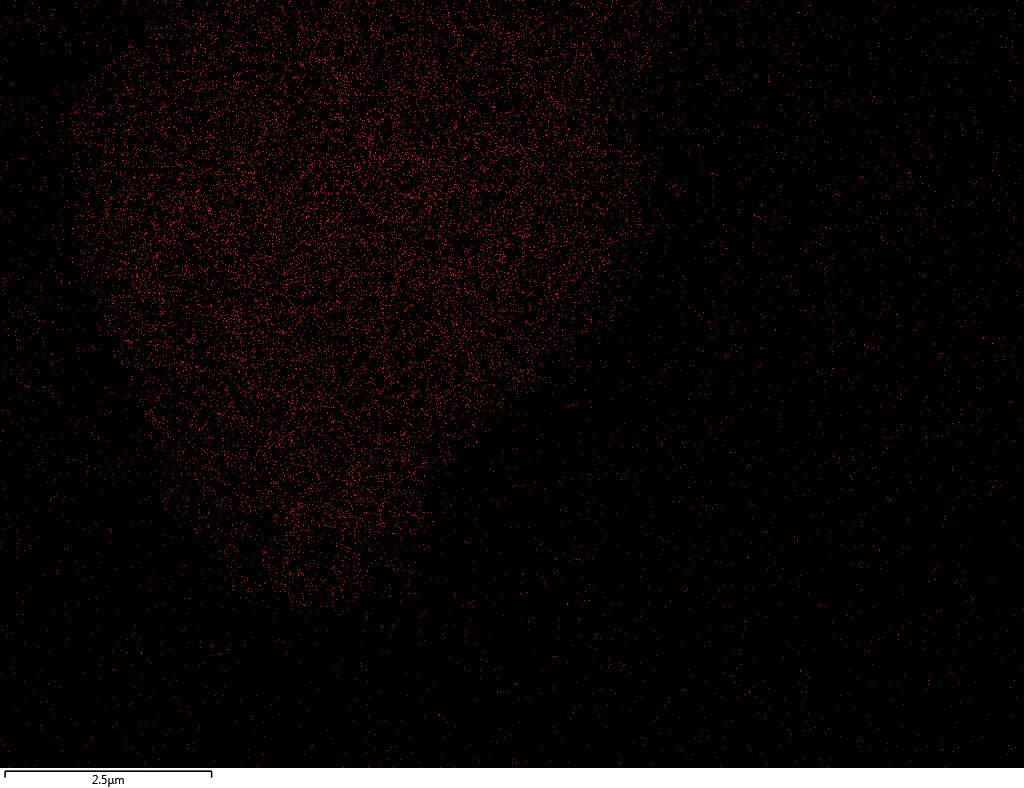
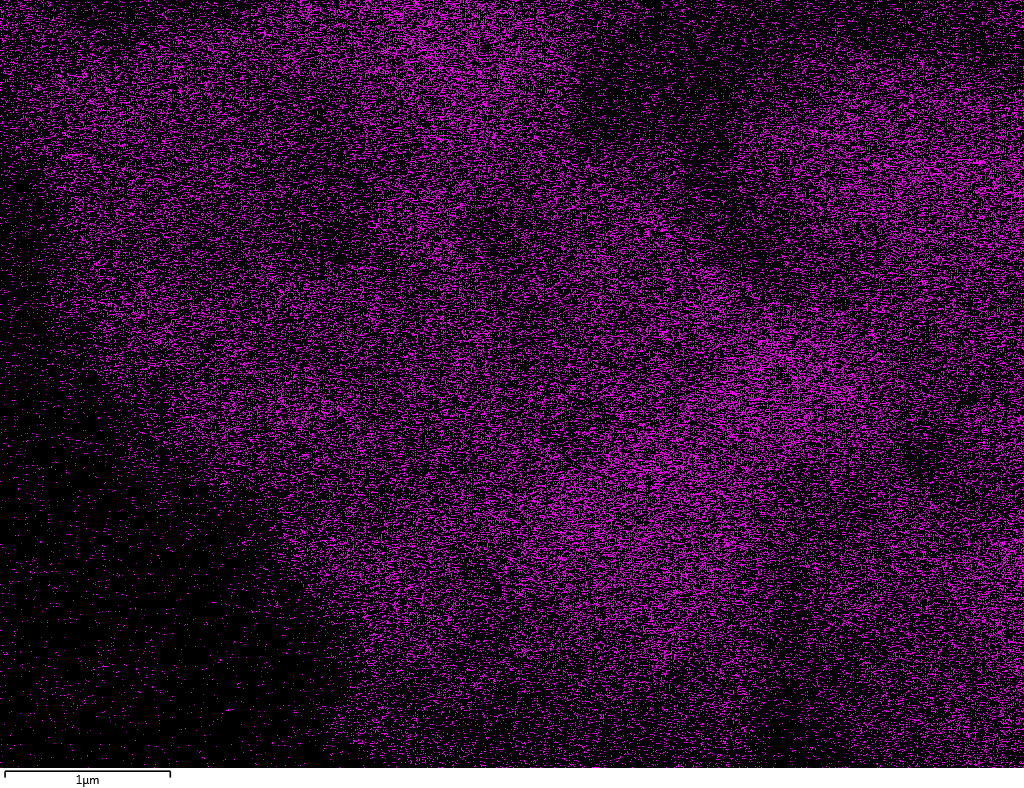
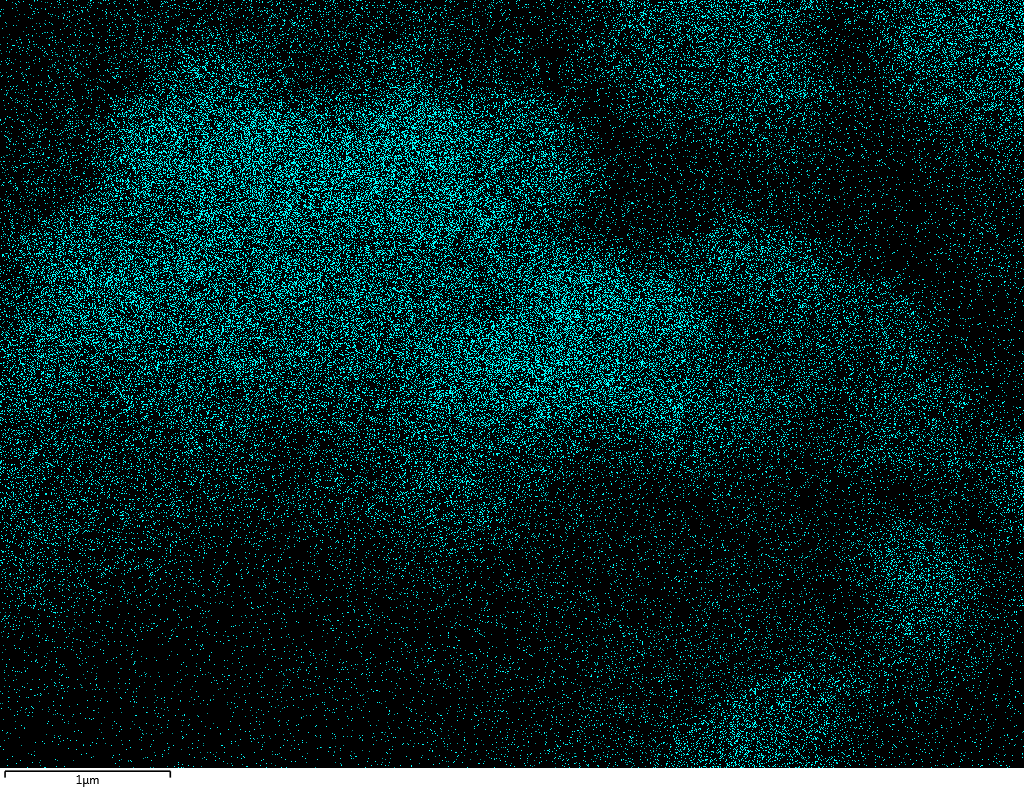
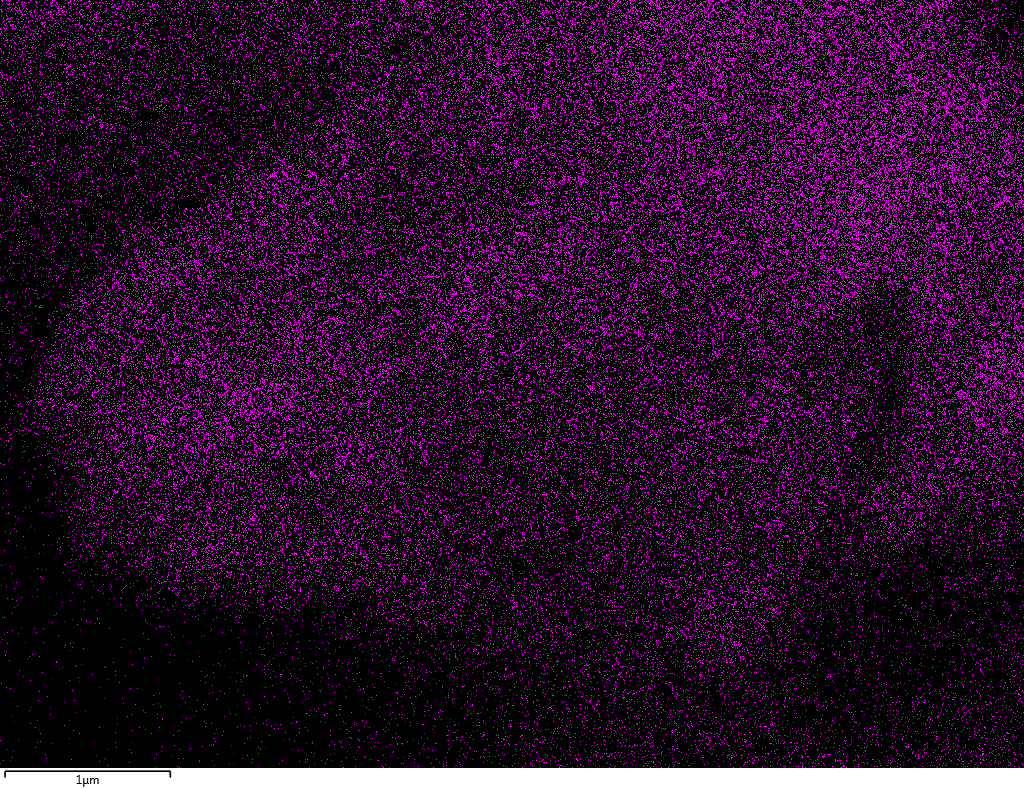
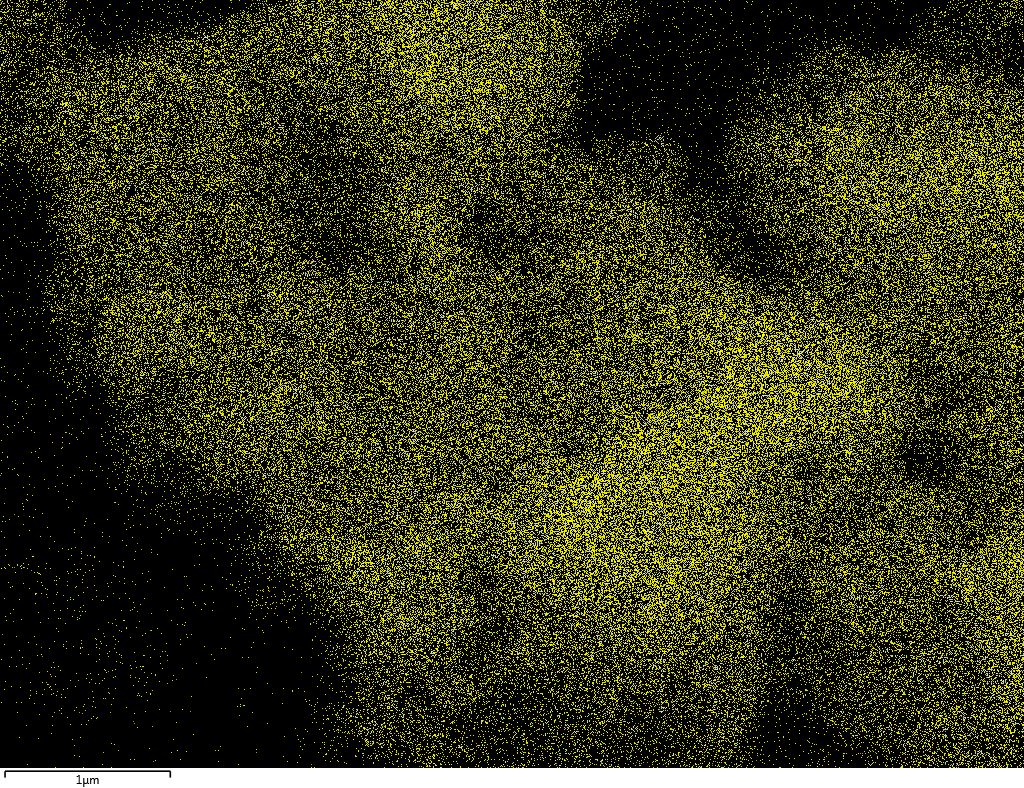
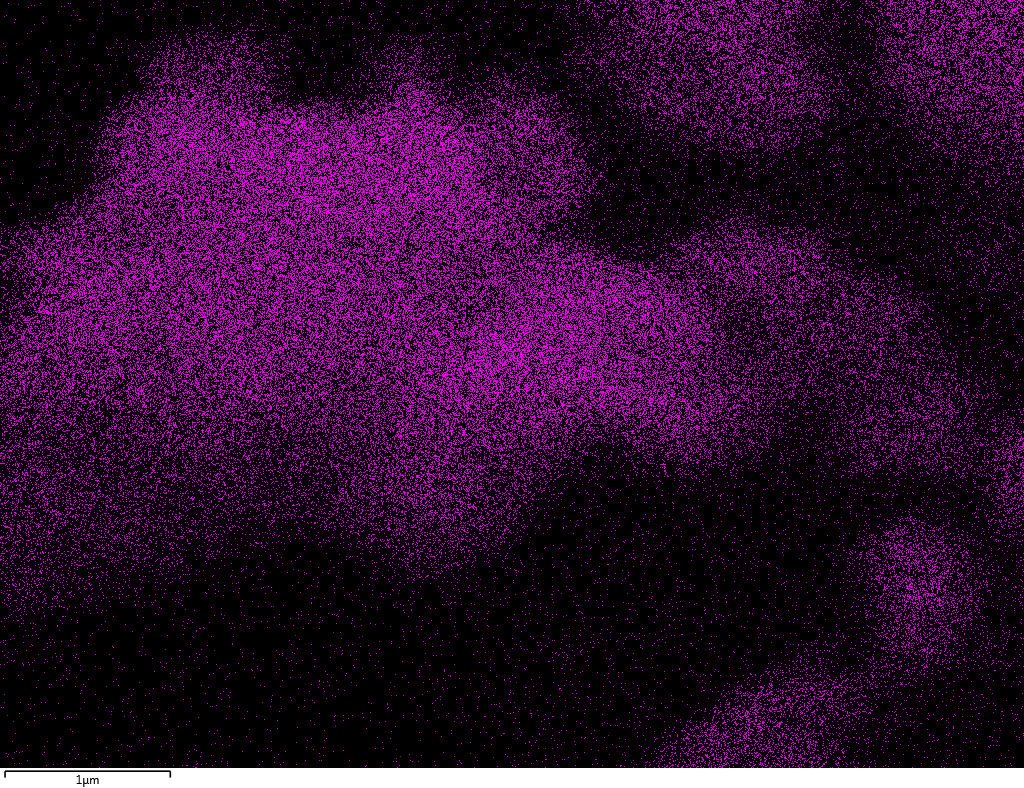
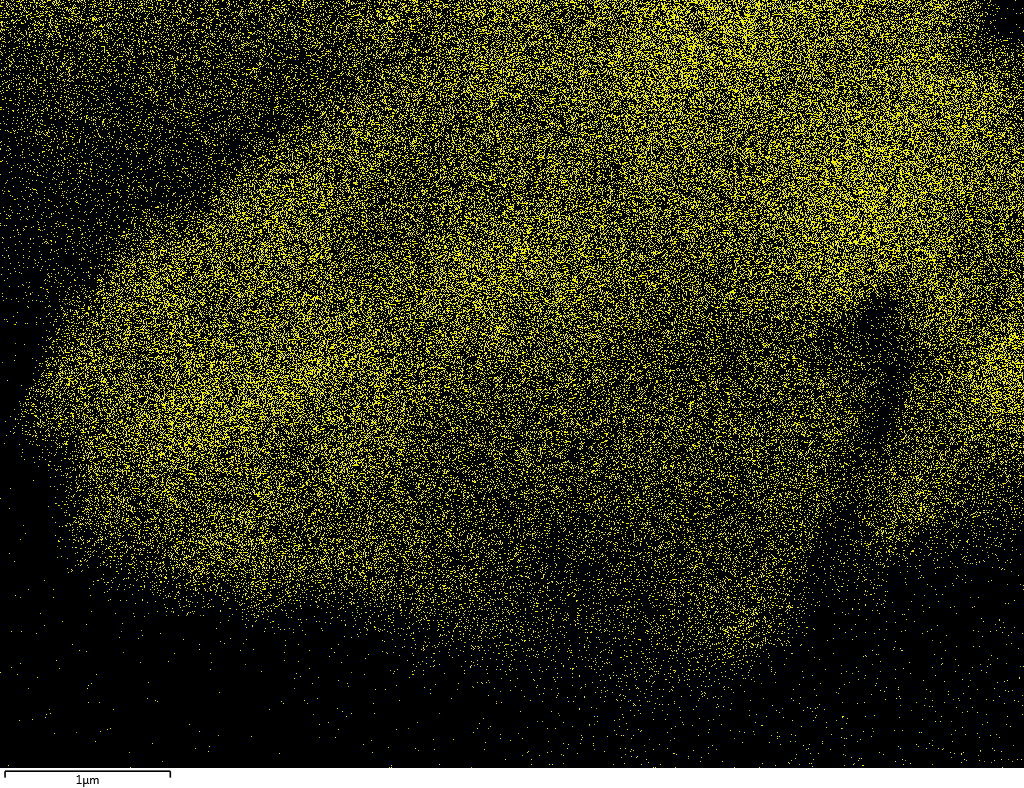
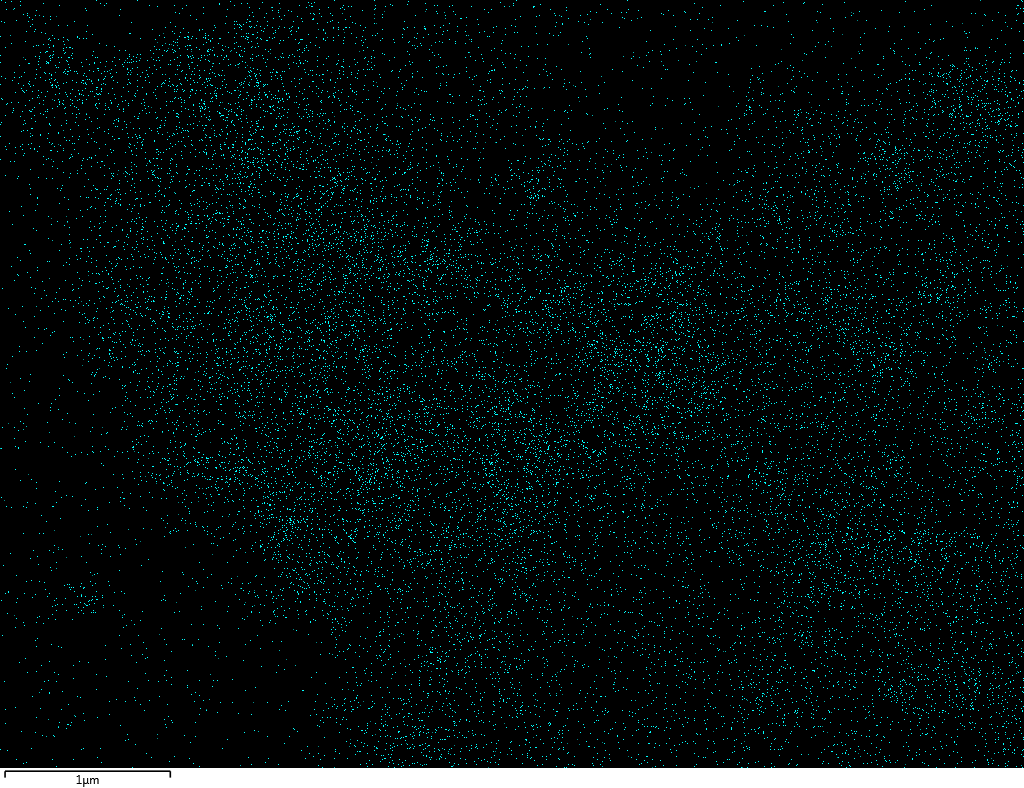
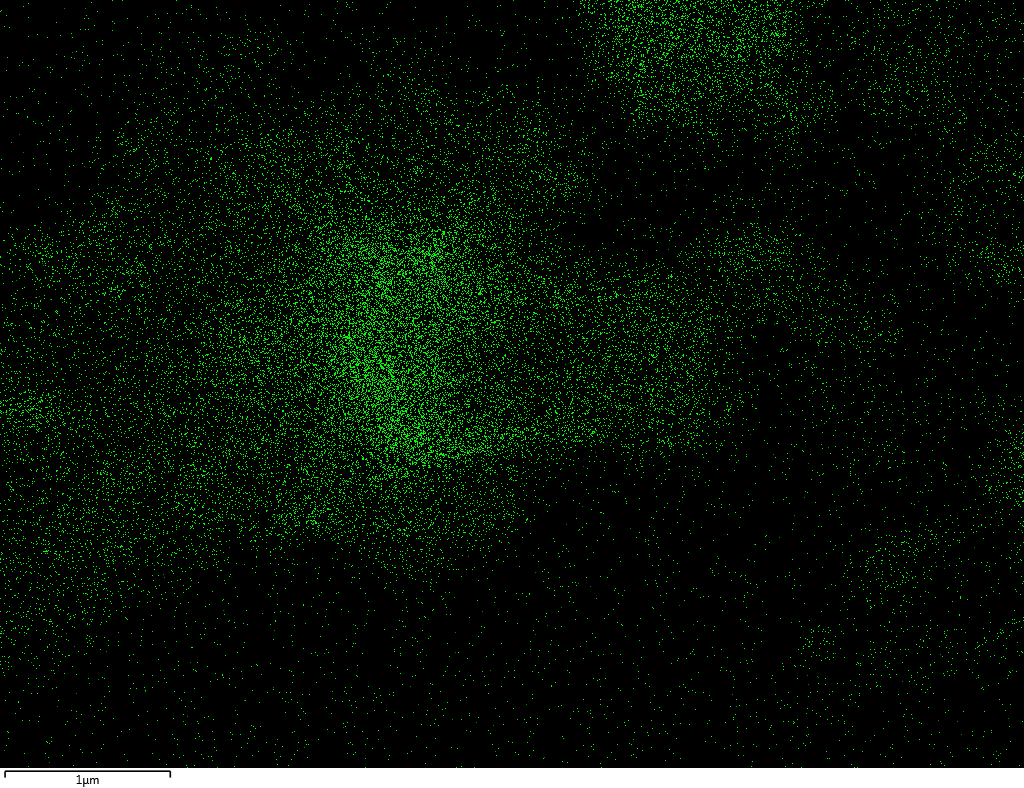
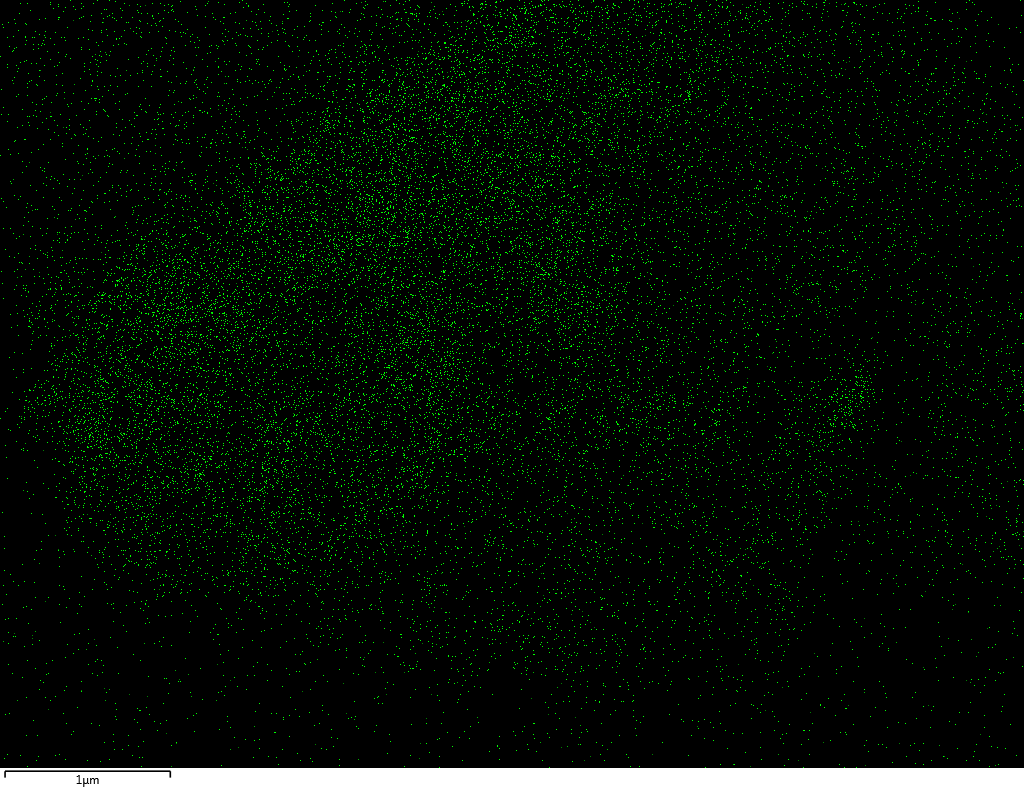
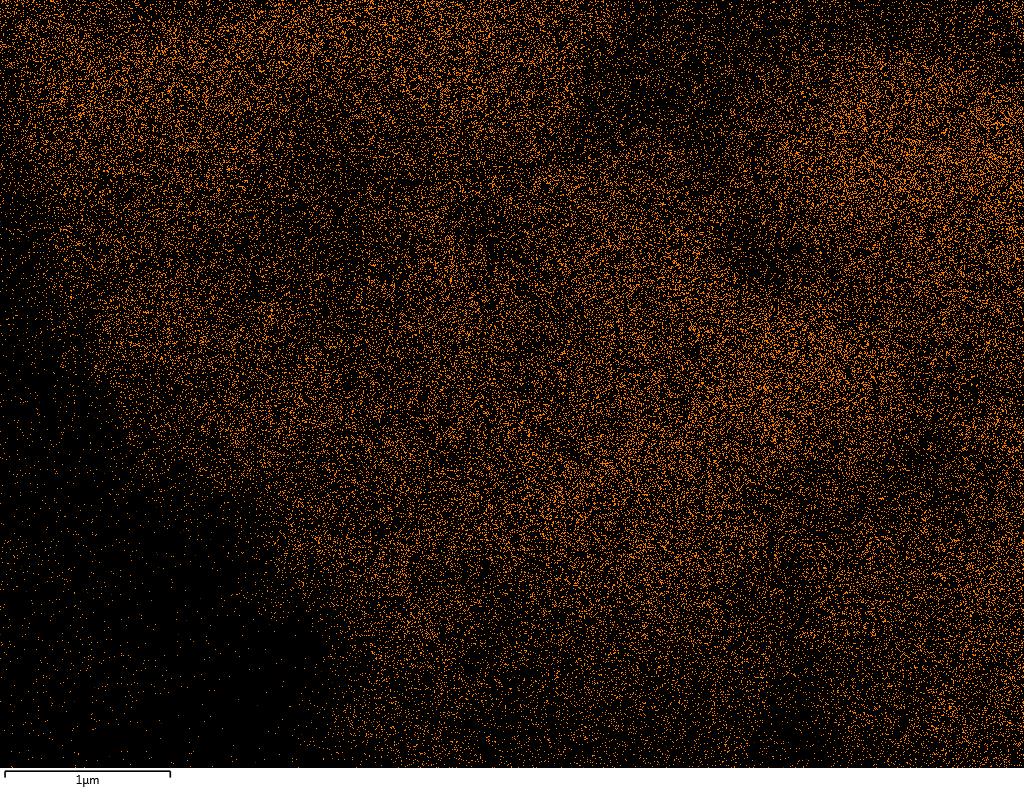
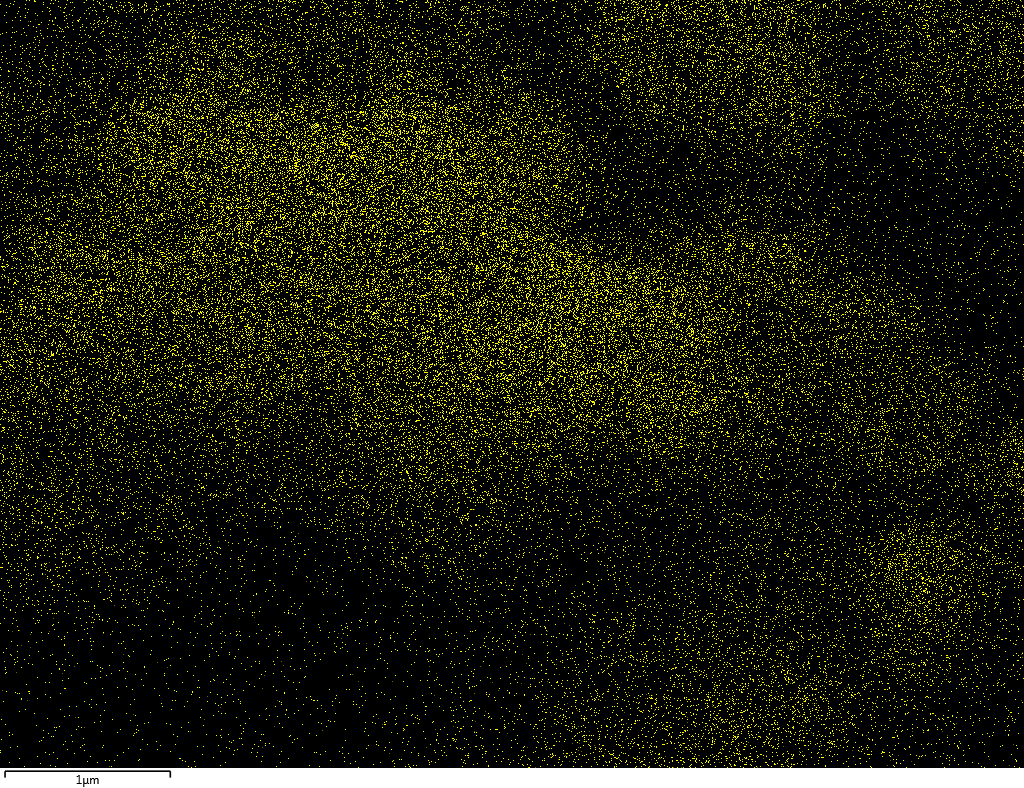
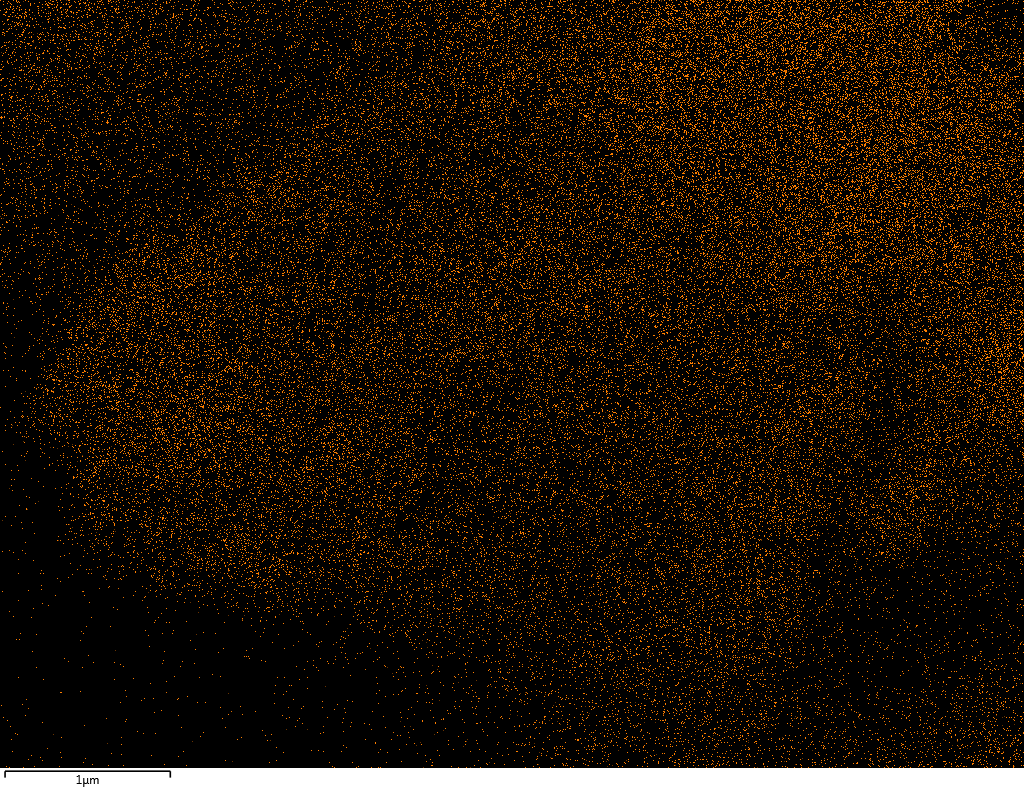
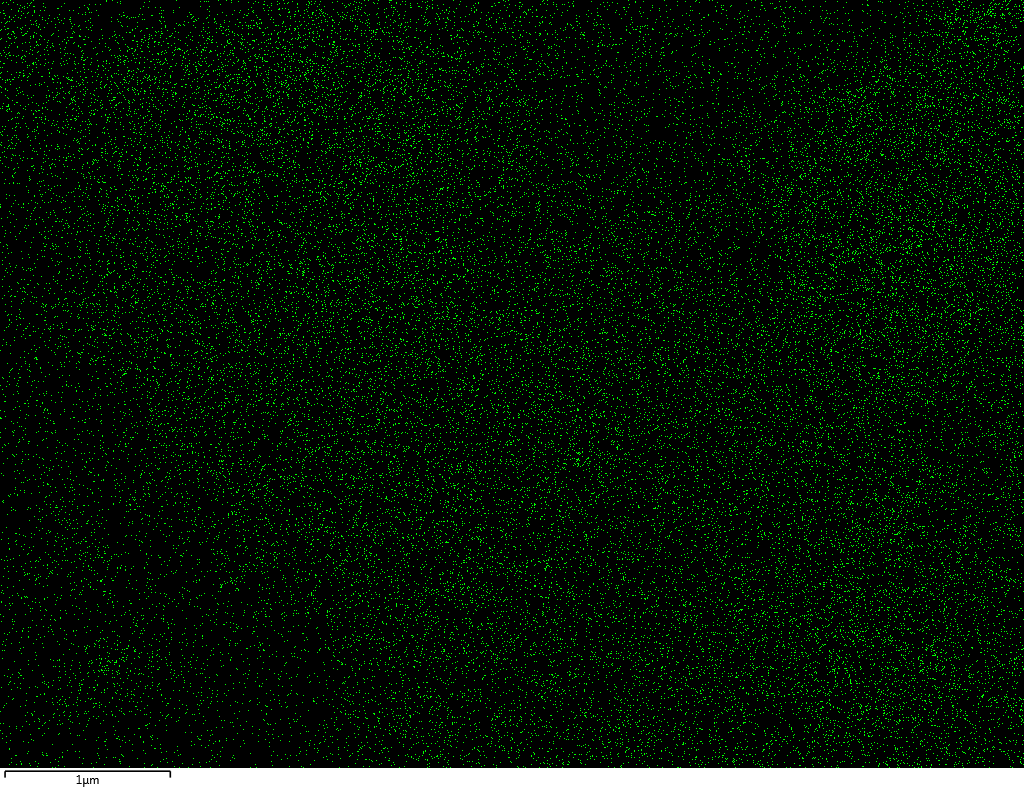
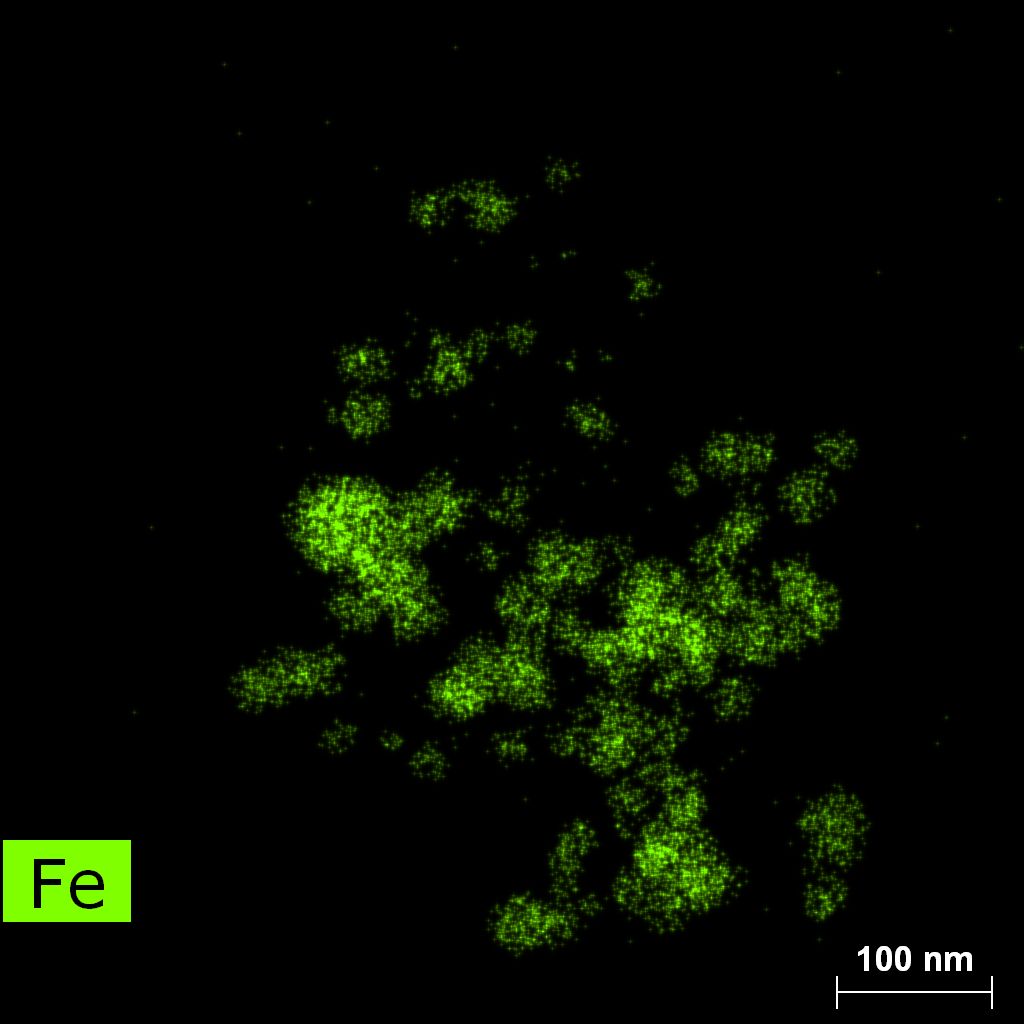
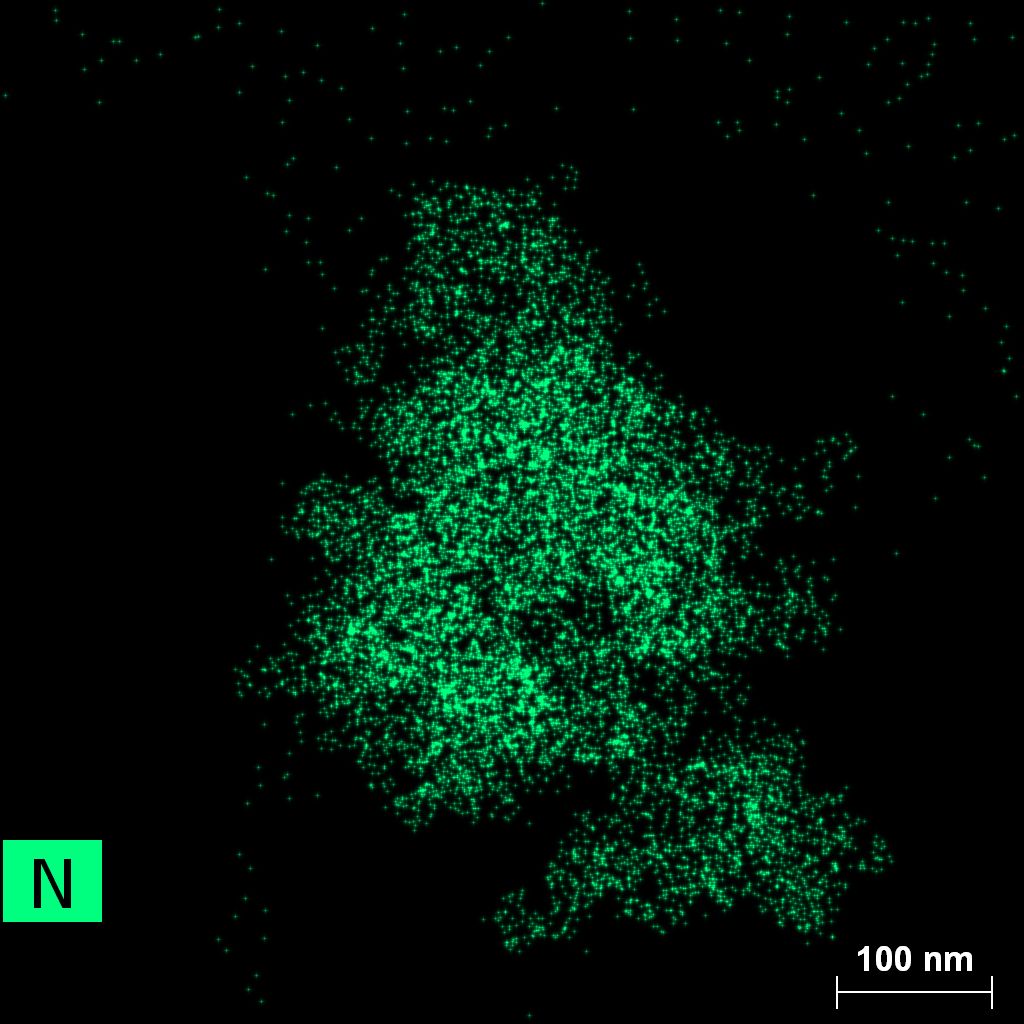
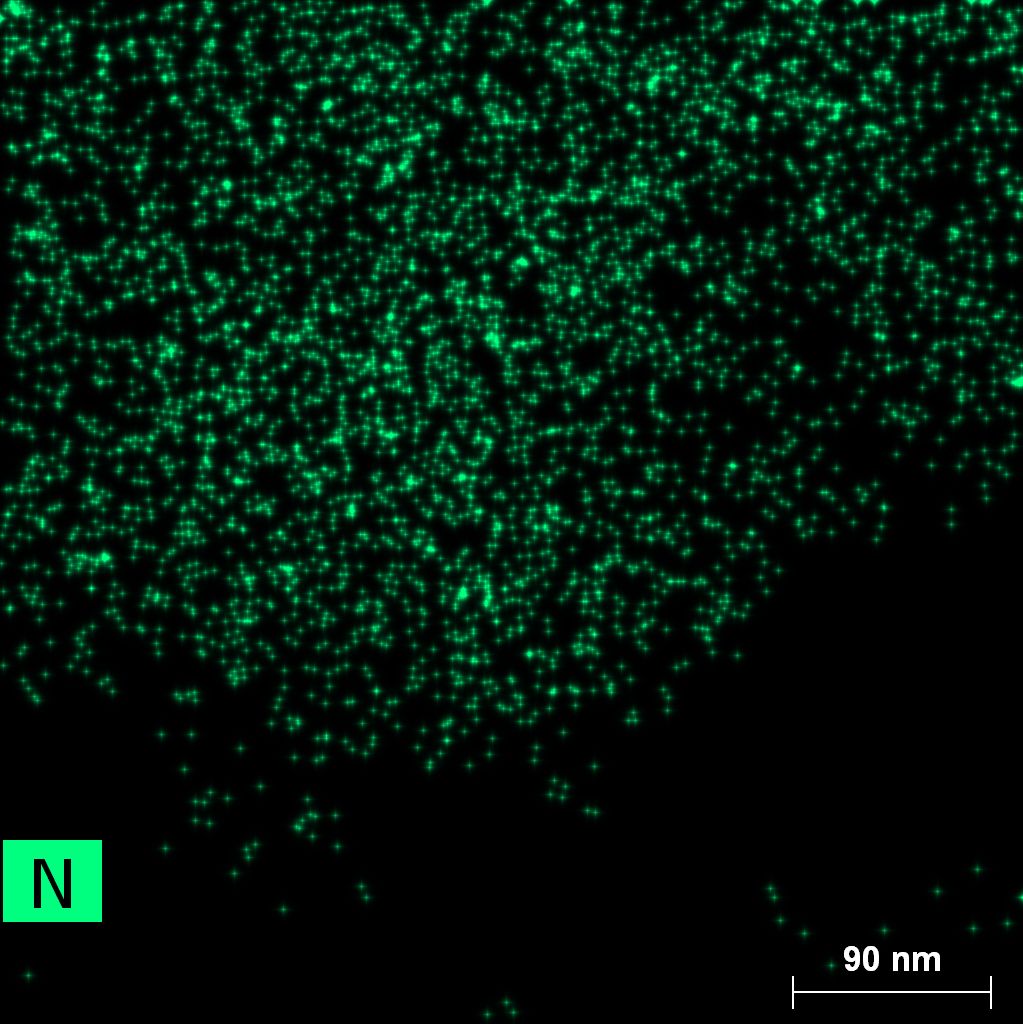
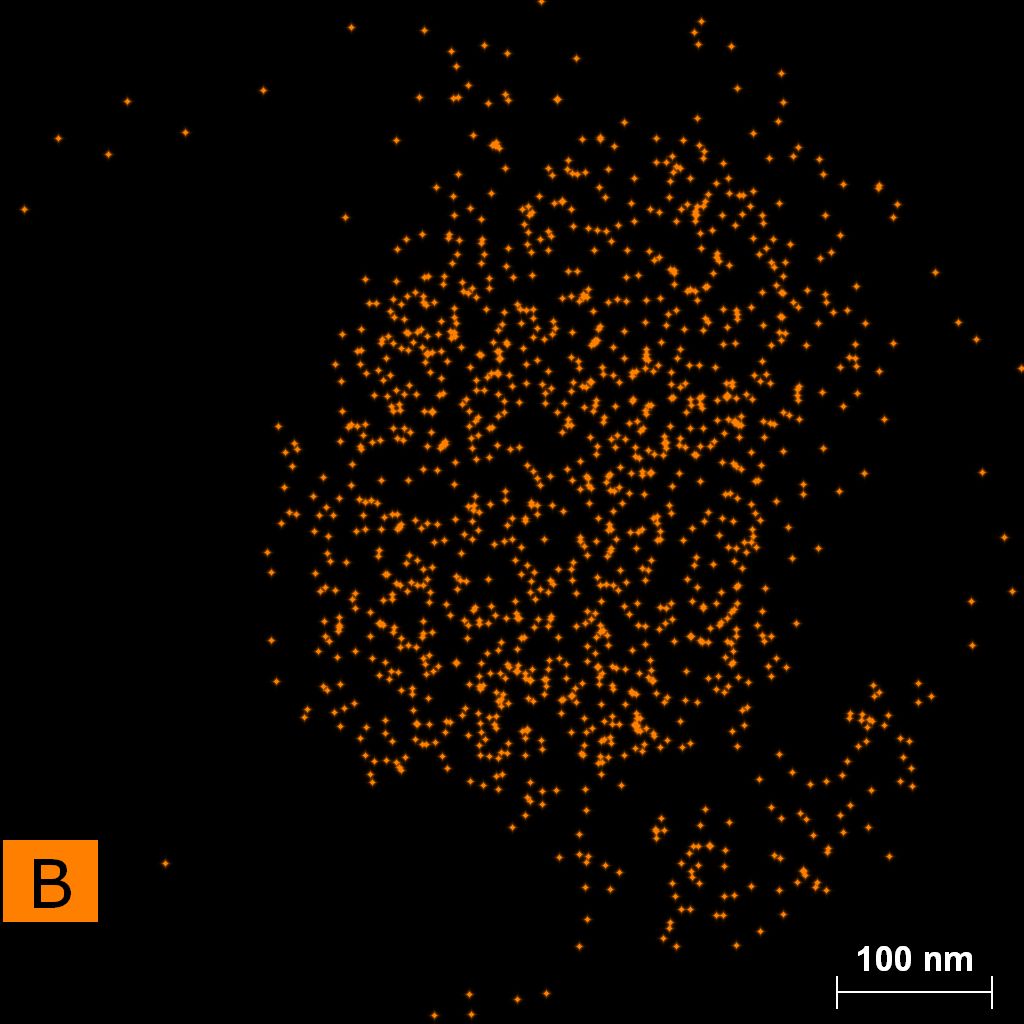
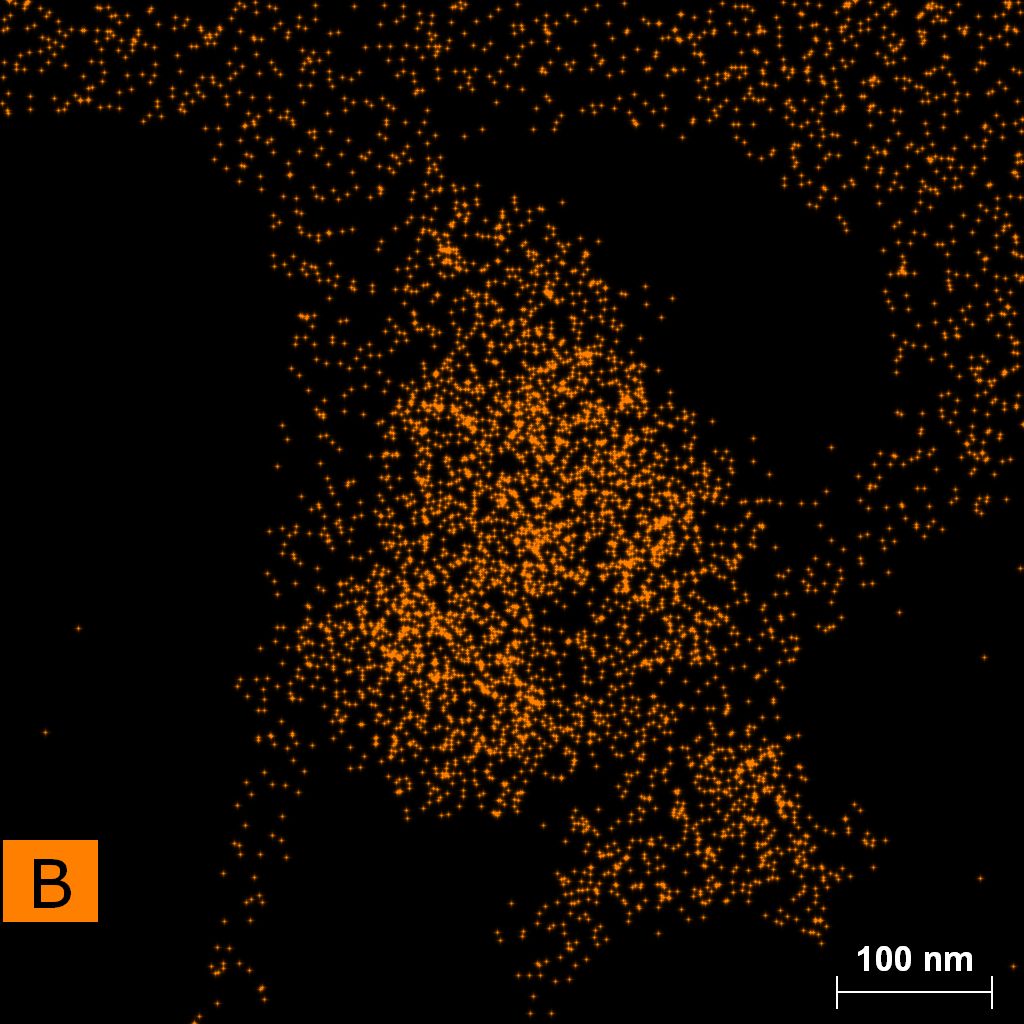
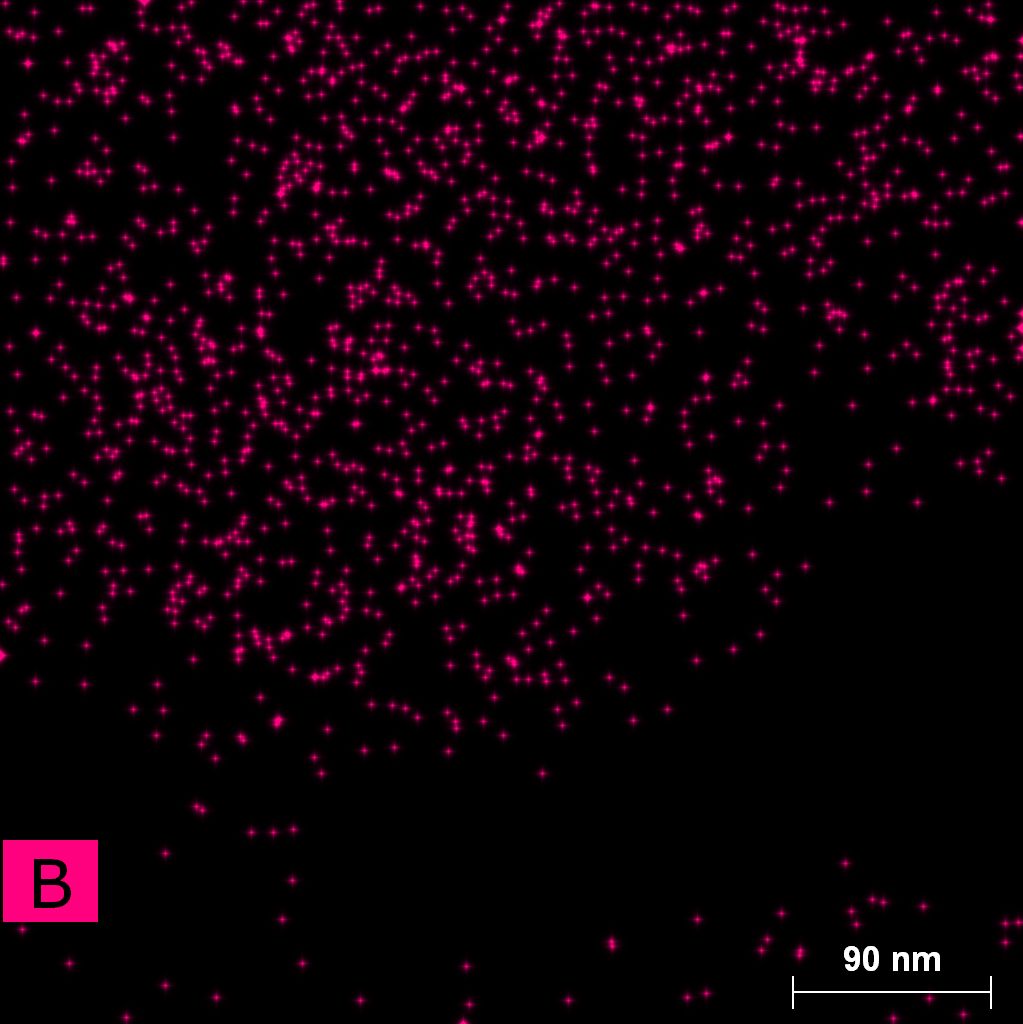
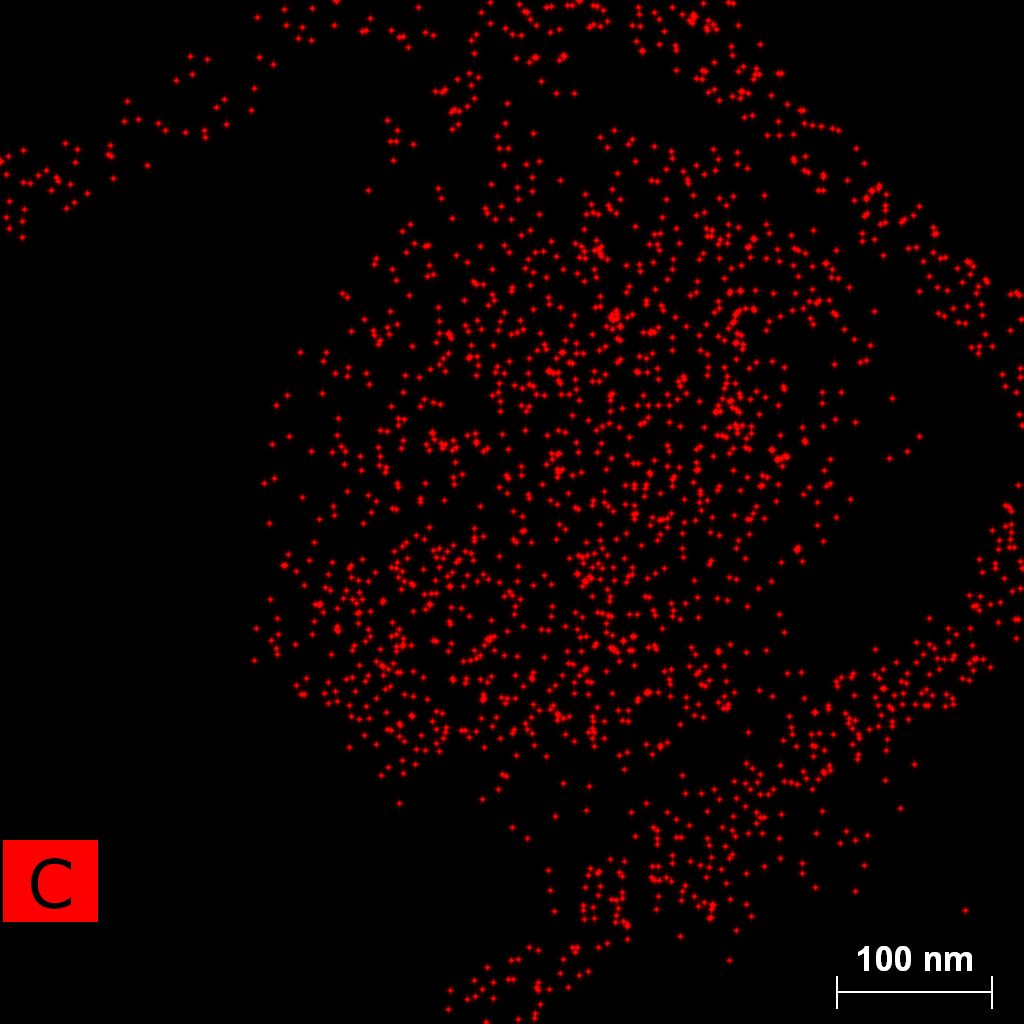
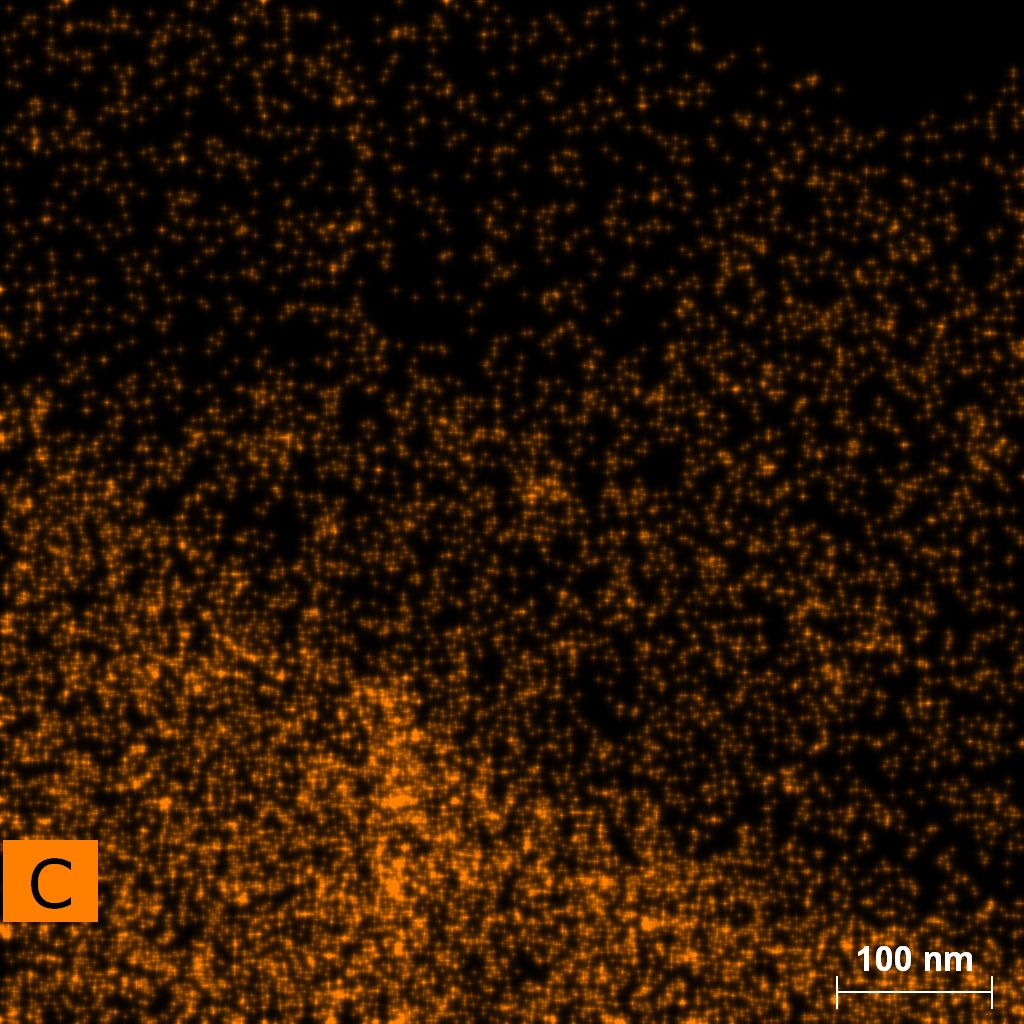
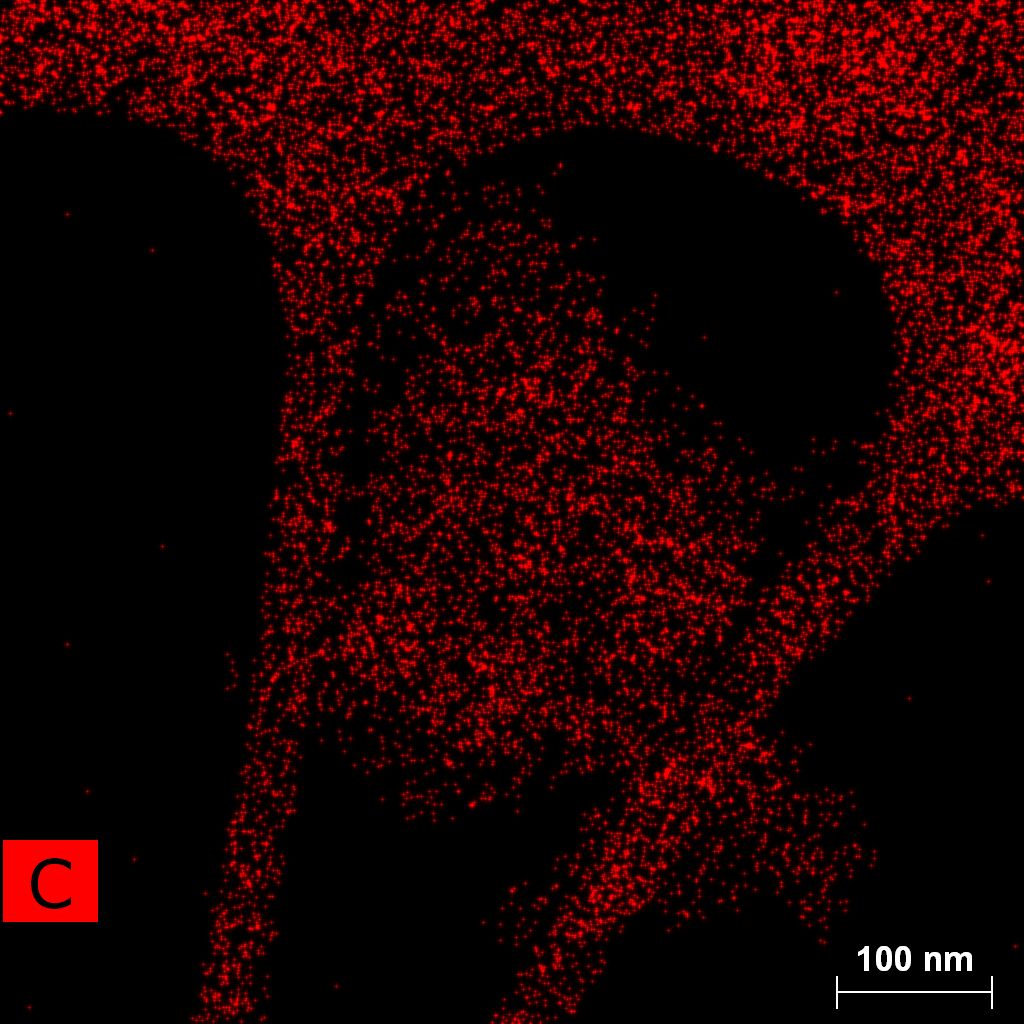
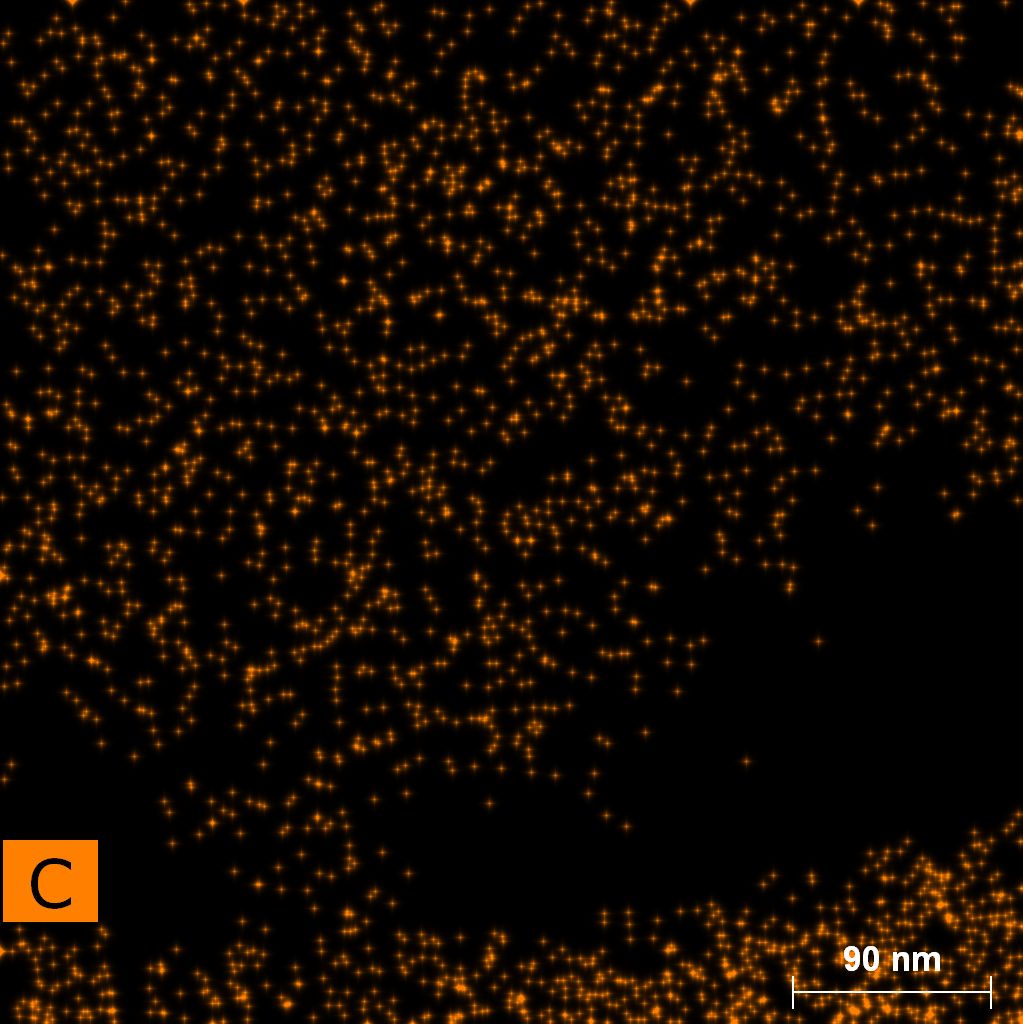
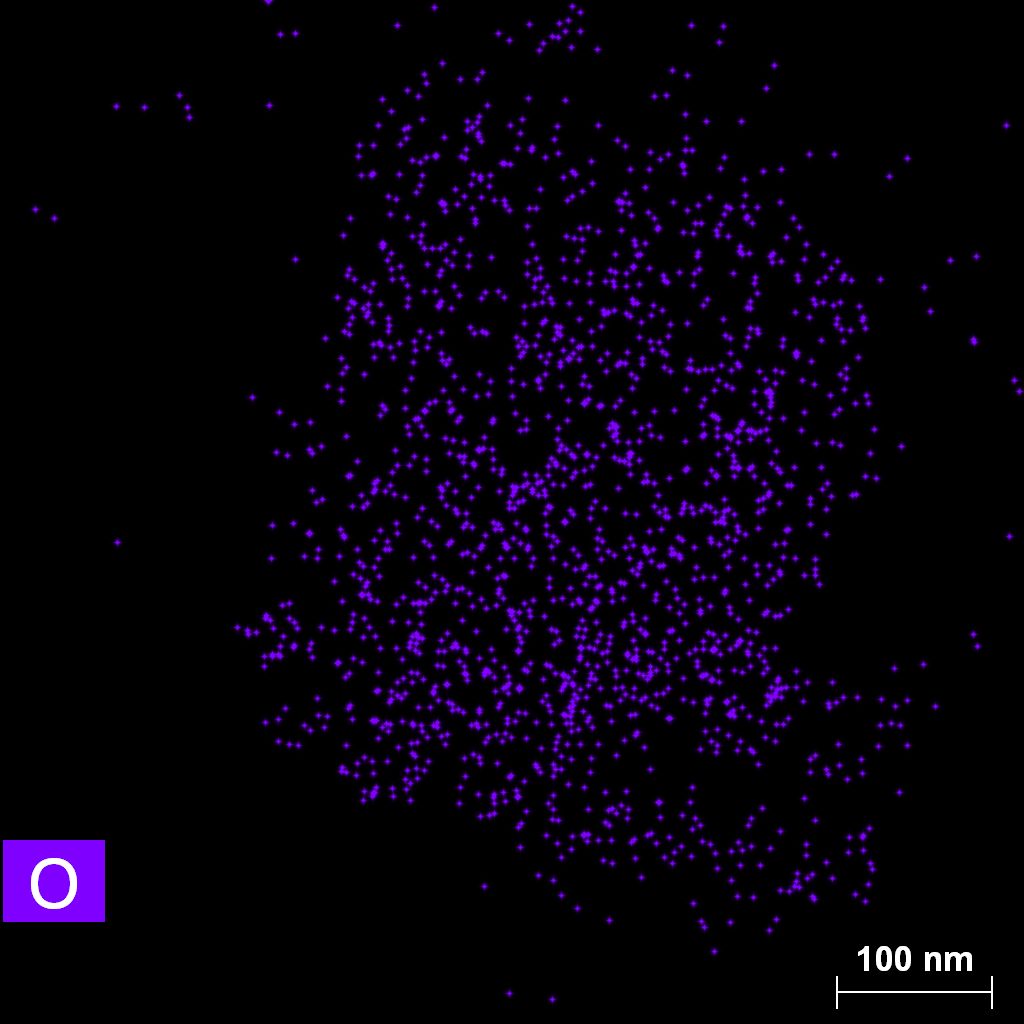
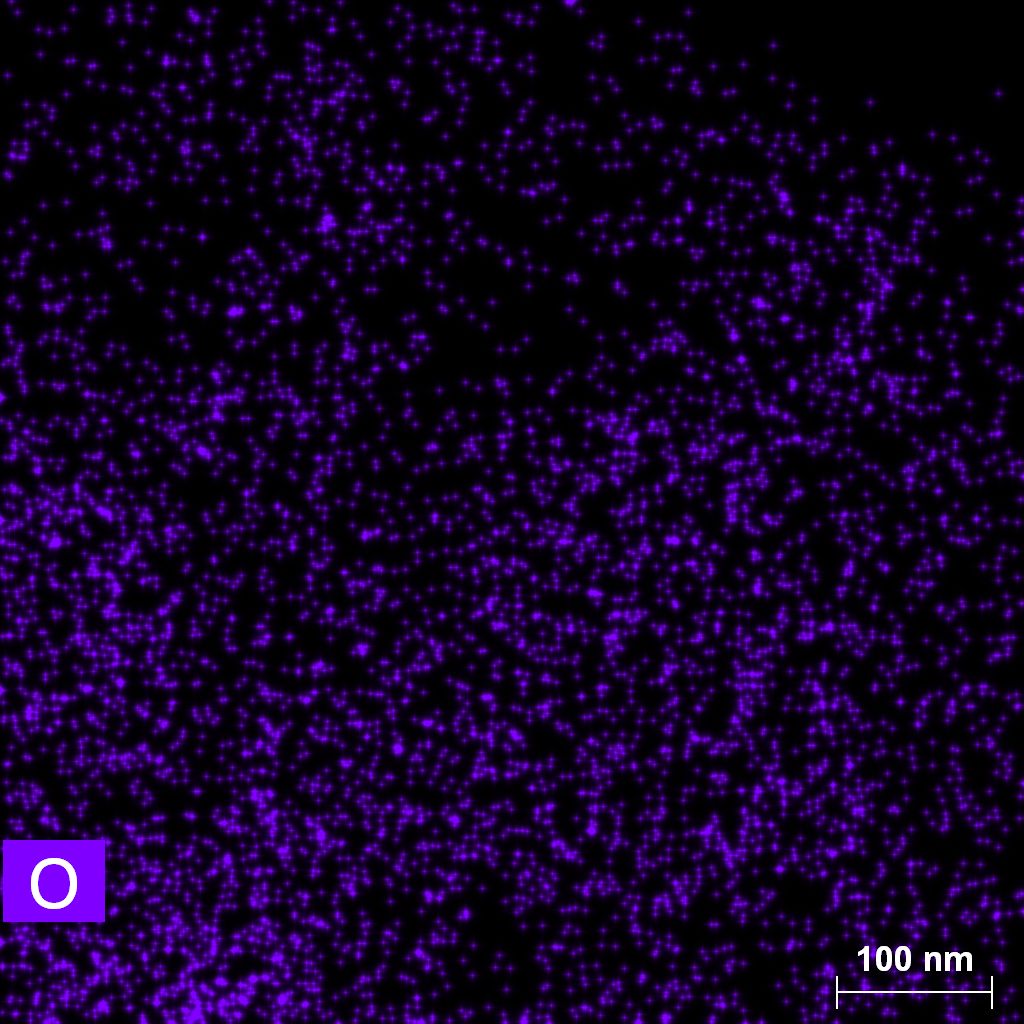
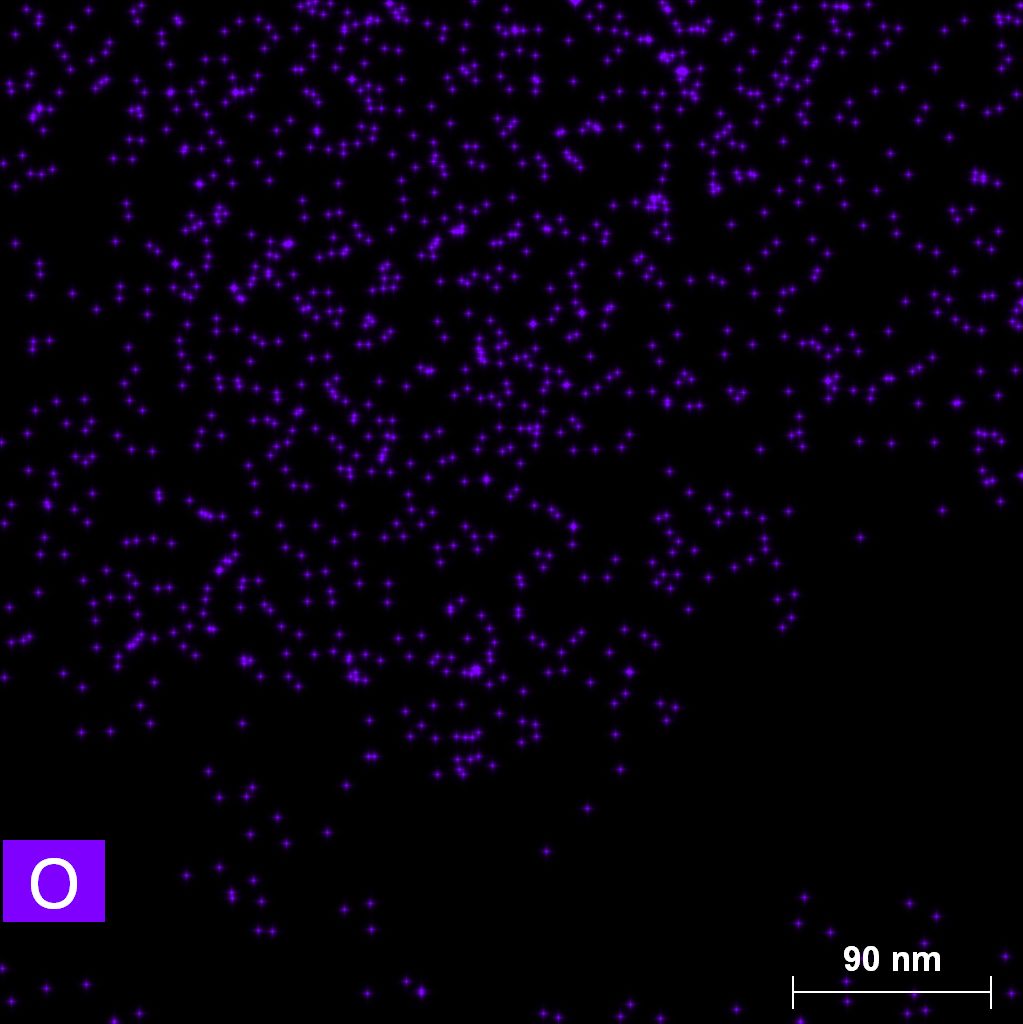
Samples contain B, N, Fe, O elements and up to 0.5 at.% Si impurity. There are homogeniously formed iron nitride particles in sample on BN without ball-milling treatment. In case of ball-milled samples, iron is distributed uniformly among particles.
![]() |
![]() |
![]() |
![]() |
![]() |
|
| B | ![]() |
![]() |
![]() |
![]() |
![]() |
| N | ![]() |
![]() |
![]() |
![]() |
![]() |
| Fe | ![]() |
![]() |
![]() |
![]() |
![]() |
| O | ![]() |
![]() |
![]() |
![]() |
![]() |
| Si | ![]() |
![]() |
![]() |
||
| dl109: no mill | dl121: b/s=22 | dl122: b/s=33 | dl126: b/s=44 | dl123: b/s=51 |
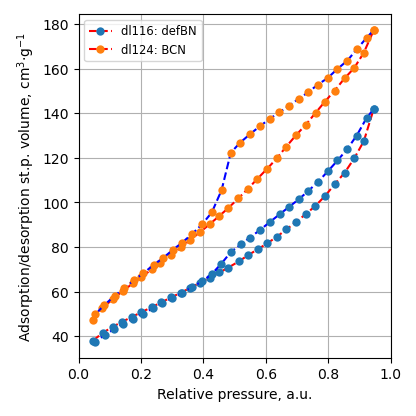
Specific surface area decreases after metal nitride deposition. It is still higher 150 m2/g for ball-milled samples.
| Sample | b/s ratio | Ssp | Ssp,sup |
|---|---|---|---|
| m2/g | m2/g | ||
| dl109 | no mill | 4.787 | 28.726 |
| dl121 | 22 | 196.815 | 309.173 |
| dl122 | 33 | 198.621 | 320.71 |
| dl126 | 44 | 167.740 | 248.579 |
| dl123 | 51 | 230.428 | 224.79 |
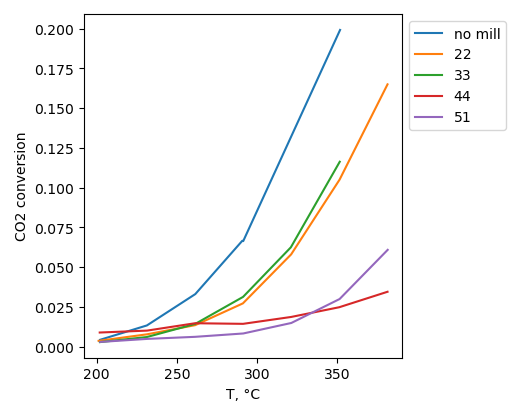
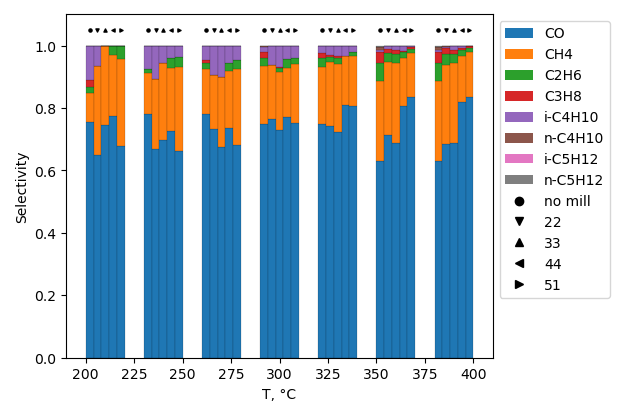
CO2 conversion is higher for sample, produced without ball-milling treatment. Selectivity to hydrocarbons is highest for sample with BN ball-milled at 22 b/s ratio at 200°C. However it is highest for non-milled sample at 380°C.
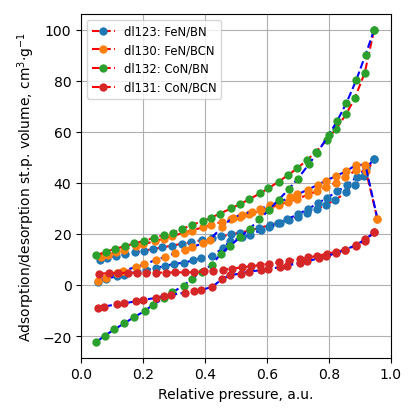
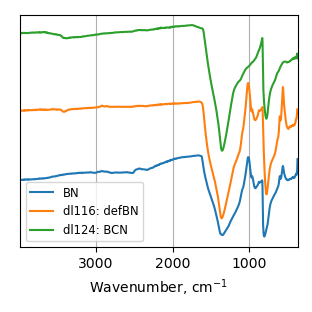
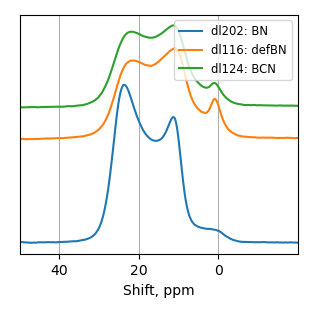
Samples were produced using method with Co (II) and Fe (III) nitrate salts. BN ball-milled with mass of balls to mass of BN equal 51 ratio and the one, ball-milled with D-Glucosamine HCl were used as support materials. These where chosen to have as close specific surface area as possible.
| Sample | C content, wt.% |
|---|---|
| BN | 0.44 |
| dl124: BCN | 3.80 |
| Sample | Ssp, m2/g |
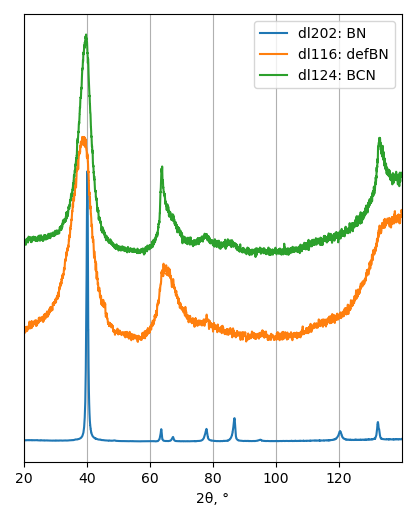
| dl202: BN | 29 |
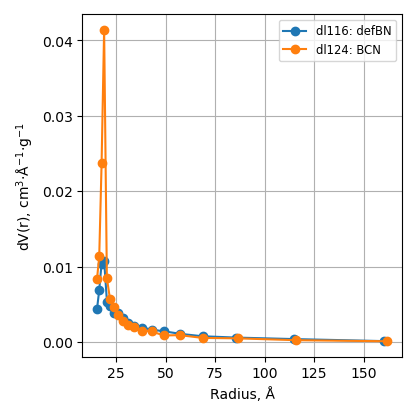
| dl116: defBN | 225 |
| dl124: BCN | 214 |
![]() |
![]() |
![]() |


![]() |
|
| B1s | N1s |
| Sample | B1s | N1s | ||||
| BN | BNO | BO | BN | BNO | BNH | |
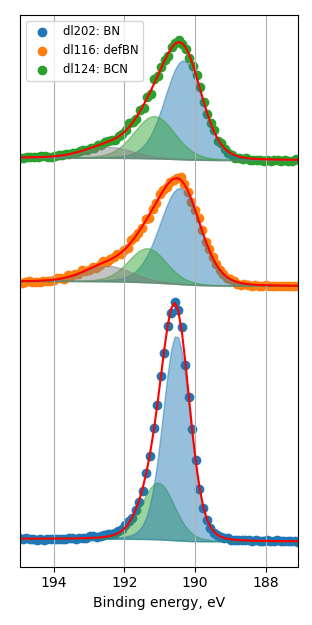
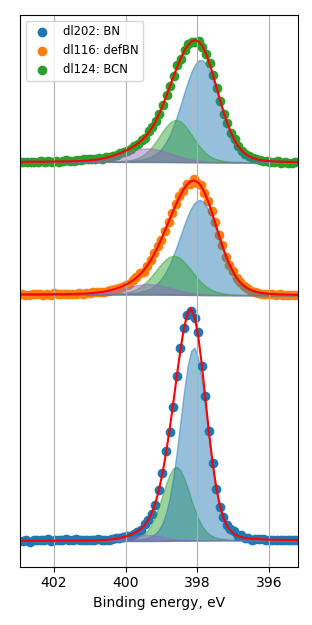
| dl202: BN | 74.82 | 25.18 | - | 69.74 | 27.58 | 2.68 |
| dl116: defBN | 65.50 | 21.96 | 12.54 | 65.81 | 25.23 | 8.96 |
| dl124: BCN | 62.10 | 29.00 | 8.90 | 65.00 | 23.88 | 11.11 |

| Sample | B | N | O | C | Fe/Co |
|---|---|---|---|---|---|
| dl123:FeN/BN | 45.03 | 34.38 | 14.68 | 5.16 | 0.75 |
| dl132:CoN/BN | 47.29 | 37.52 | 10.32 | 4.15 | 0.71 |
| dl130:FeN/BCN | 43.61 | 38.52 | 8.61 | 9.01 | 0.26 |
| dl131:CoN/BCN | 45.76 | 39.57 | 7.85 | 6.14 | 0.68 |
| Sample | B 1s | N 1s | Fe 2p | Co 2p | |||||||||
|---|---|---|---|---|---|---|---|---|---|---|---|---|---|
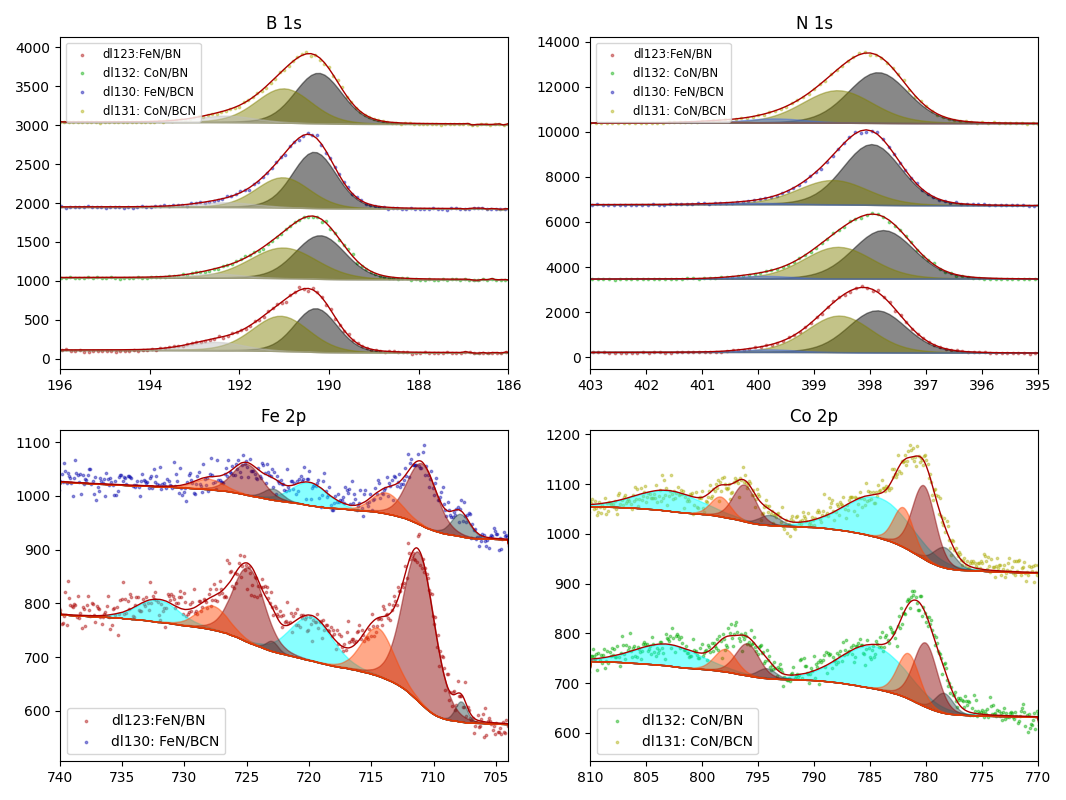
| BN | BNO | BO | BN | BNO | BNH | BCN | FeN | Fe(2+) | Fe(3+) | CoN | Co(2+) | Co(3+) | |
| dl123:FeN/BN | 43.39 | 46.17 | 10.44 | 49.17 | 47.91 | 2.93 | 3.71 | 72.93 | 23.36 | ||||
| dl132:CoN/BN | 49.17 | 46.39 | 4.44 | 55.67 | 41.27 | 3.06 | 12.56 | 52.88 | 34.56 | ||||
| dl130:FeN/BCN | 56.50 | 37.17 | 6.32 | 65.96 | 32.01 | 2.03 | 14.55 | 63.87 | 21.58 | ||||
| dl131:CoN/BCN | 51.18 | 41.07 | 7.75 | 53.88 | 40.41 | 4.47 | 1.24 | 14.94 | 58.03 | 27.03 | |||
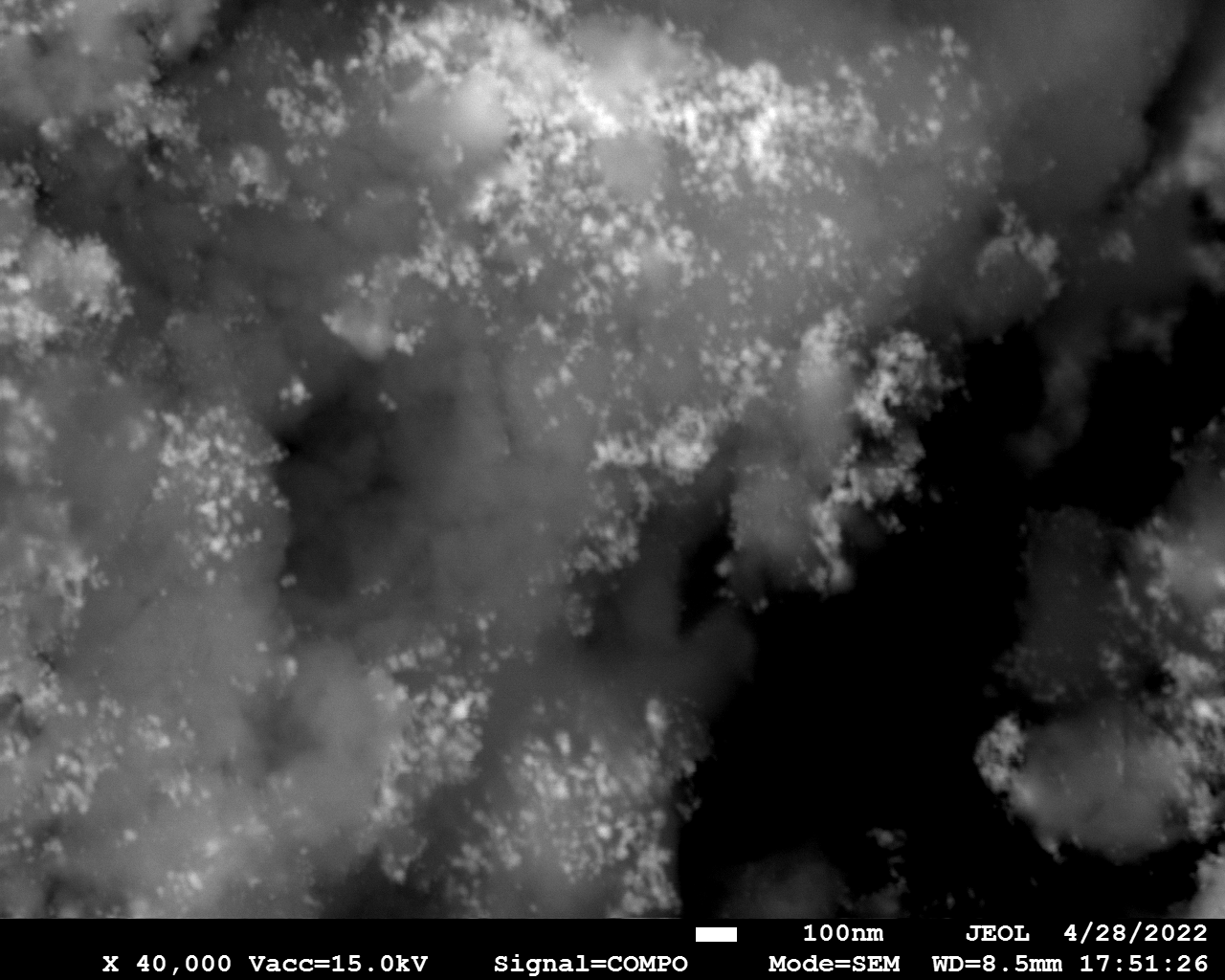
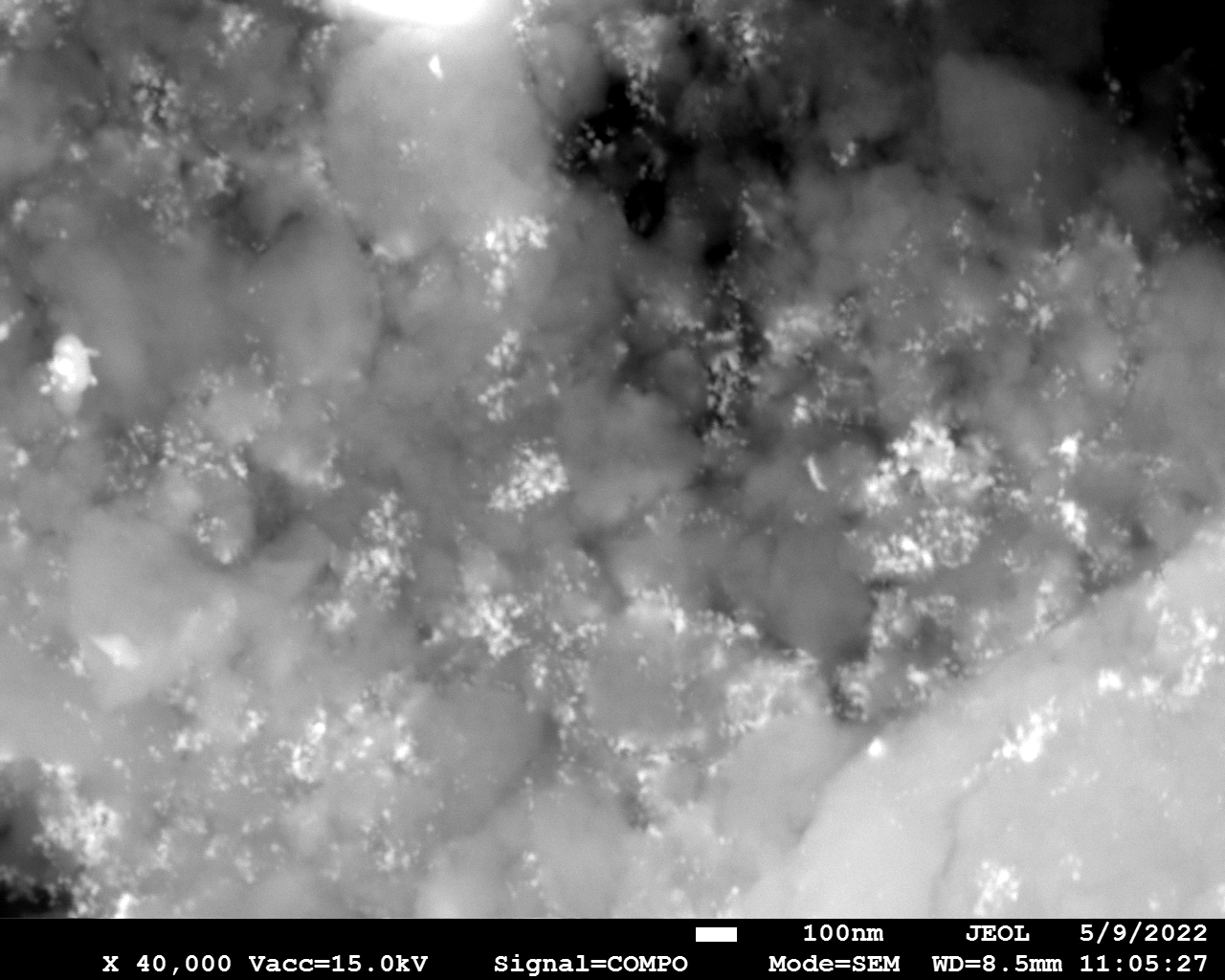
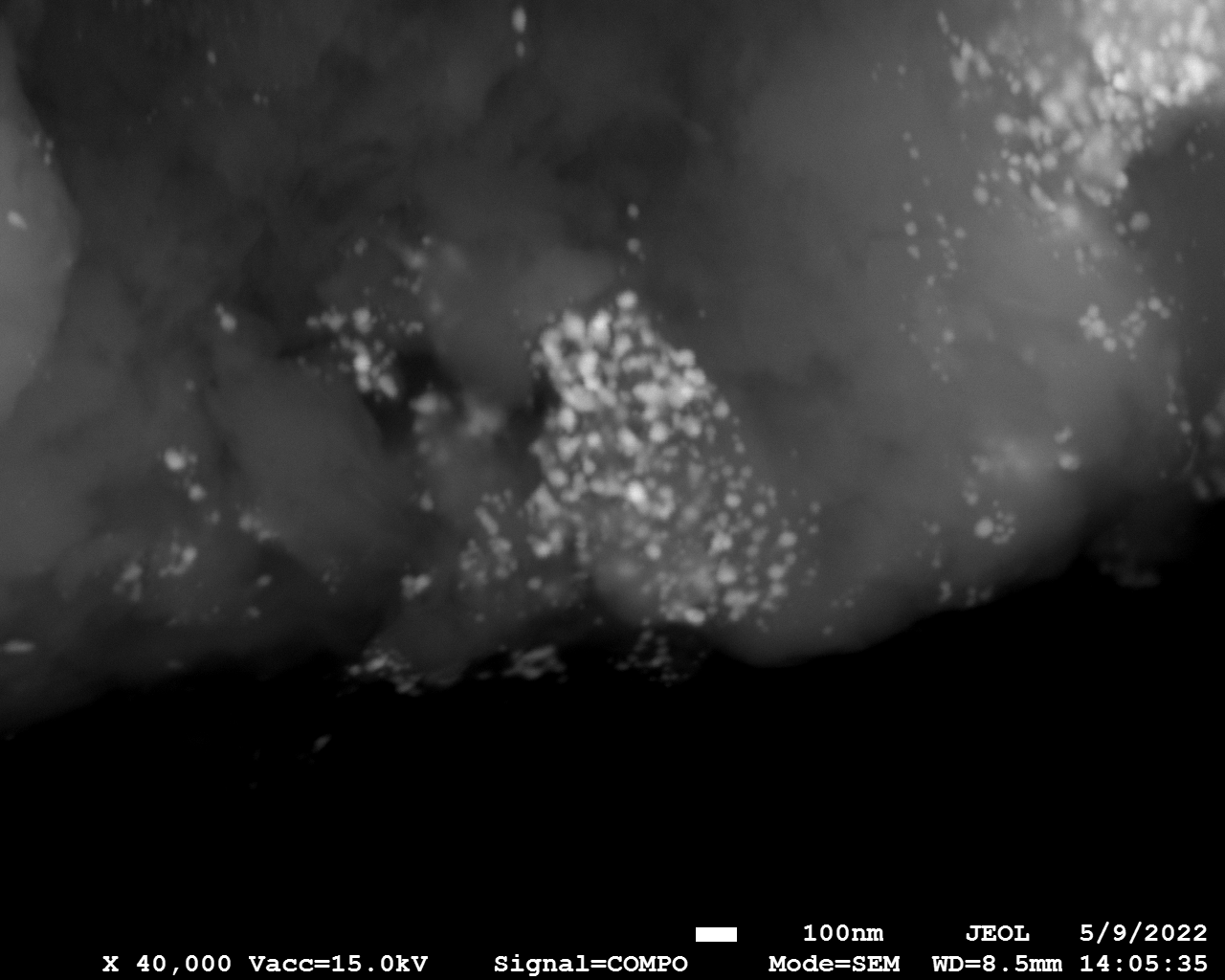
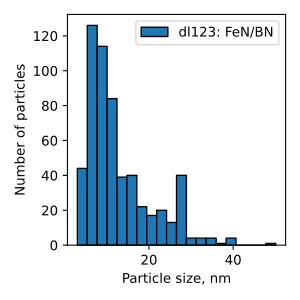
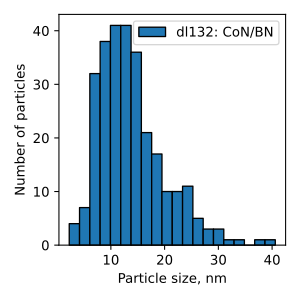
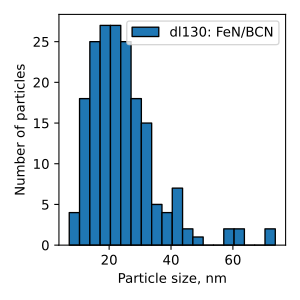
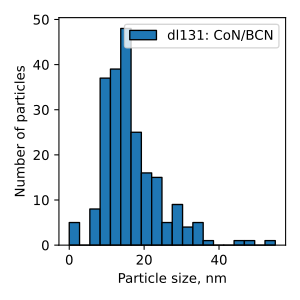
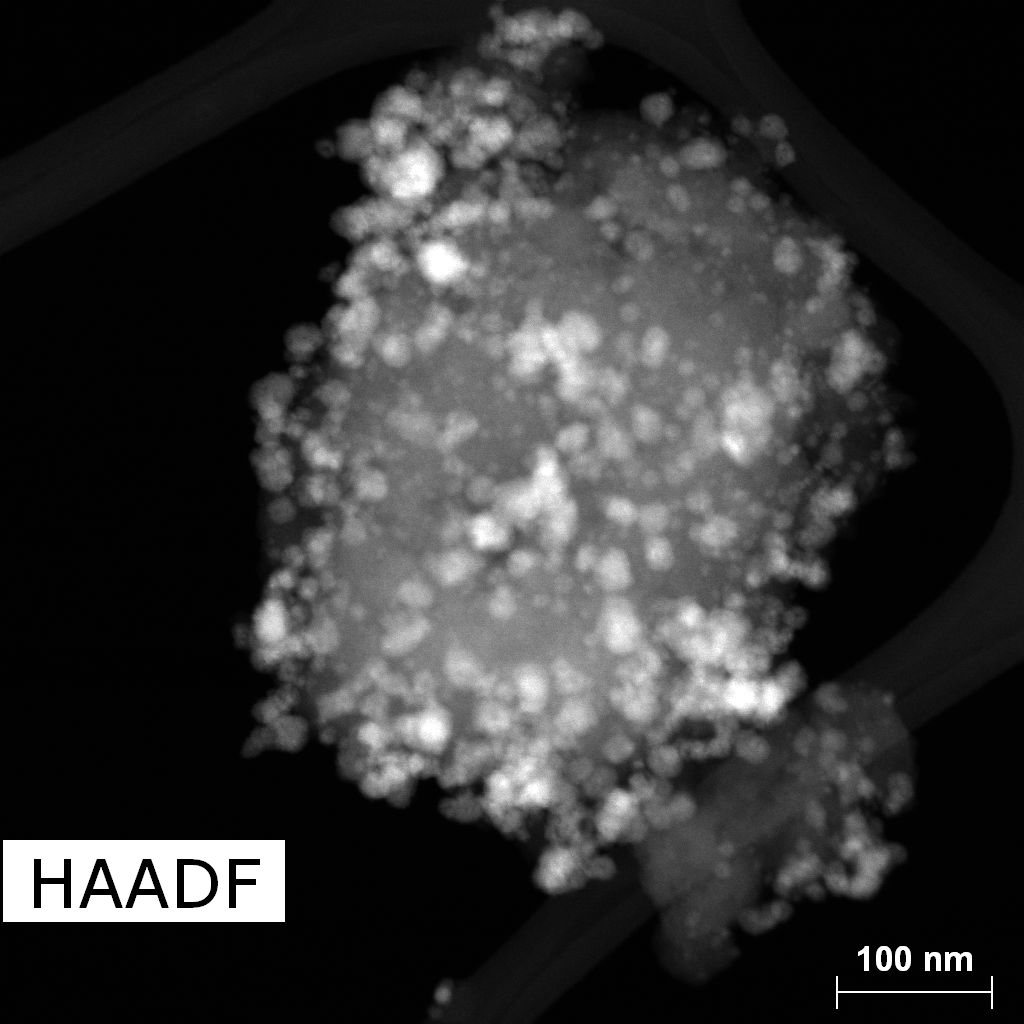
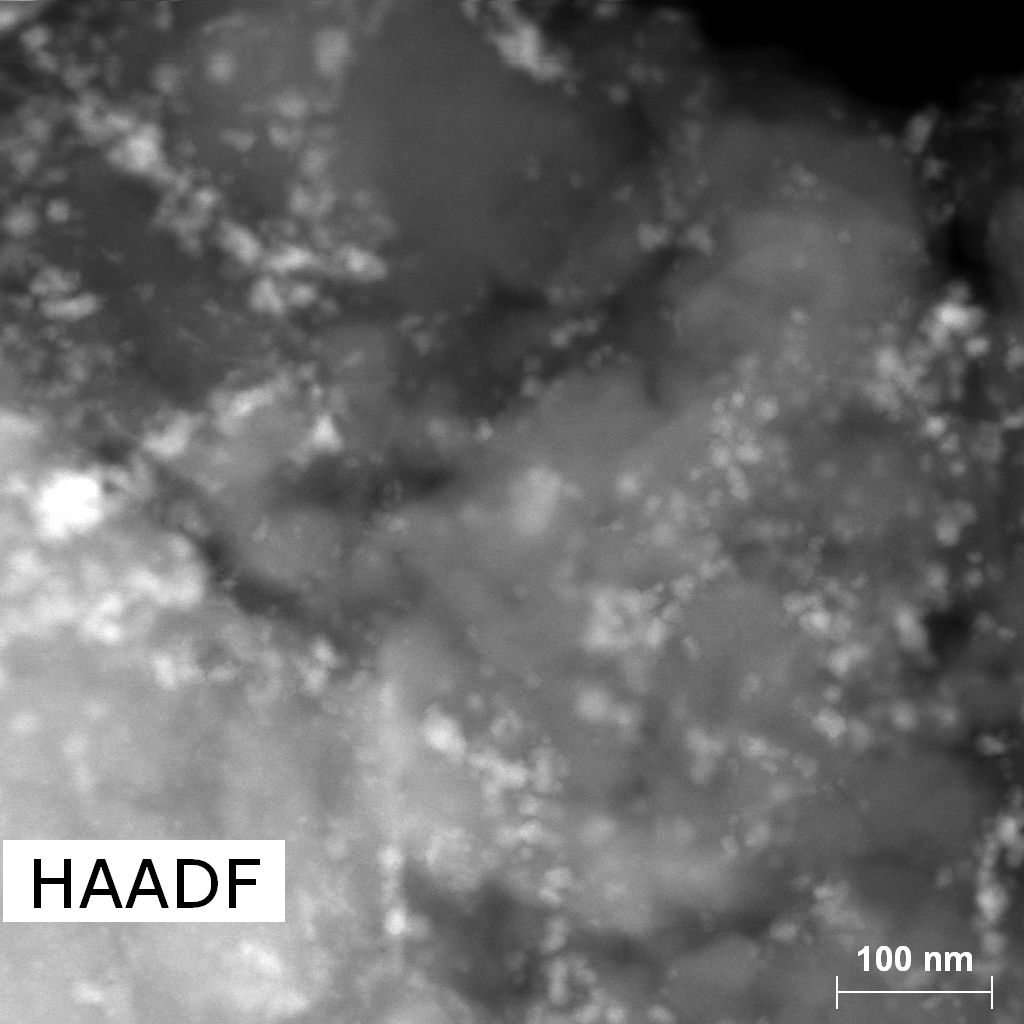
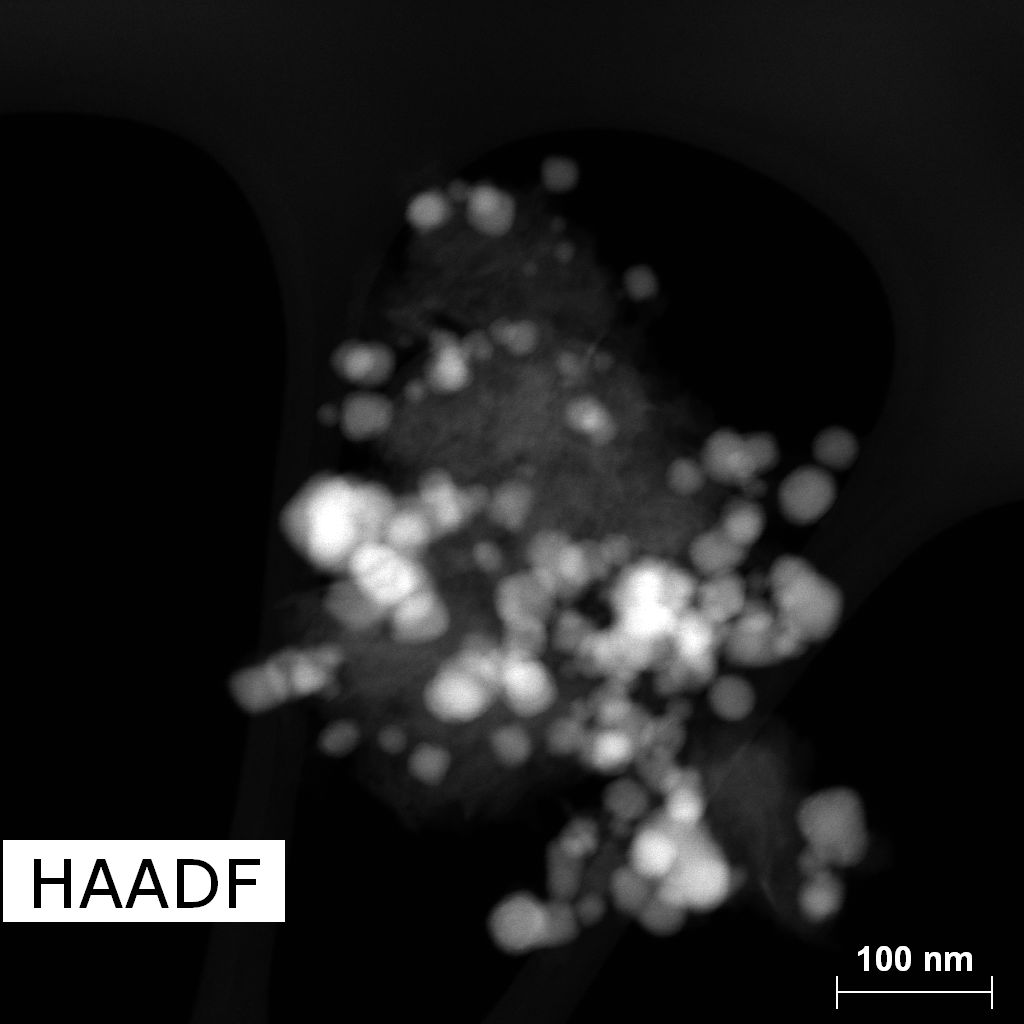
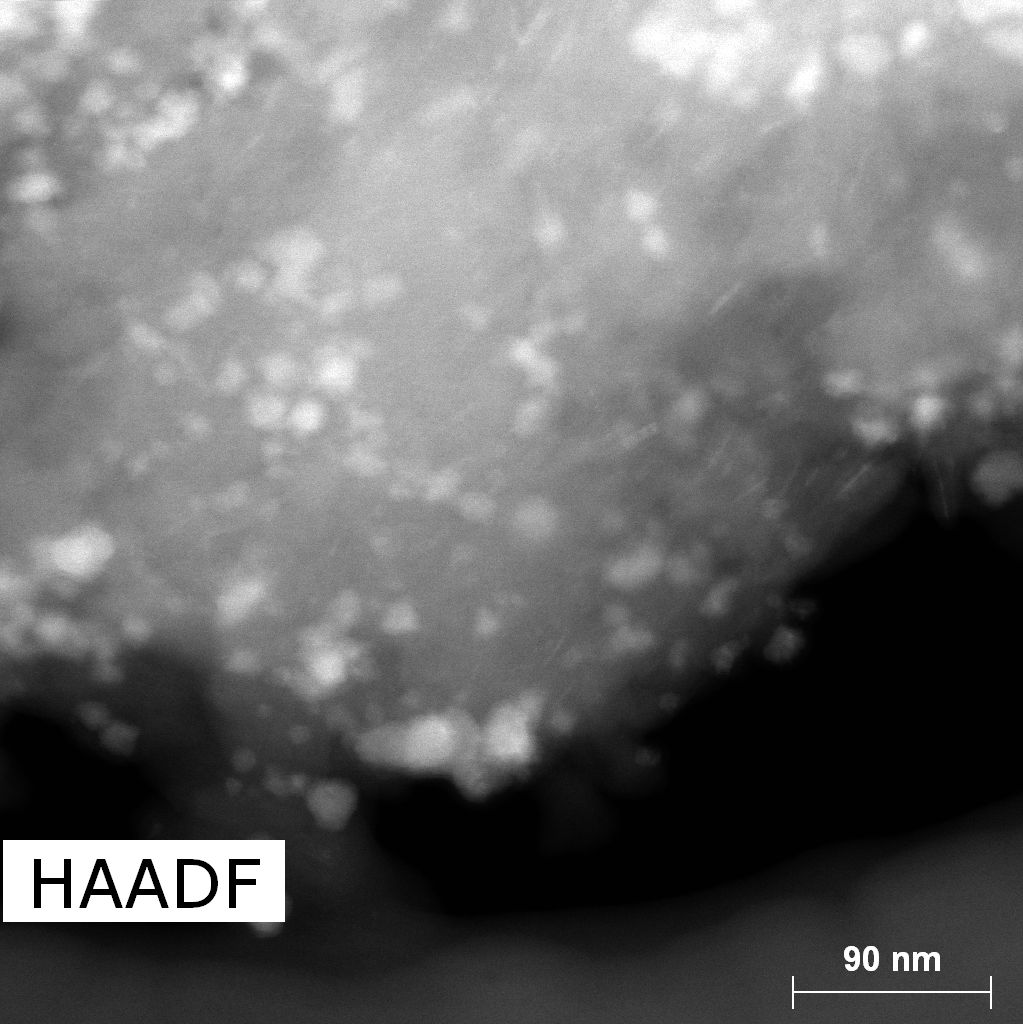
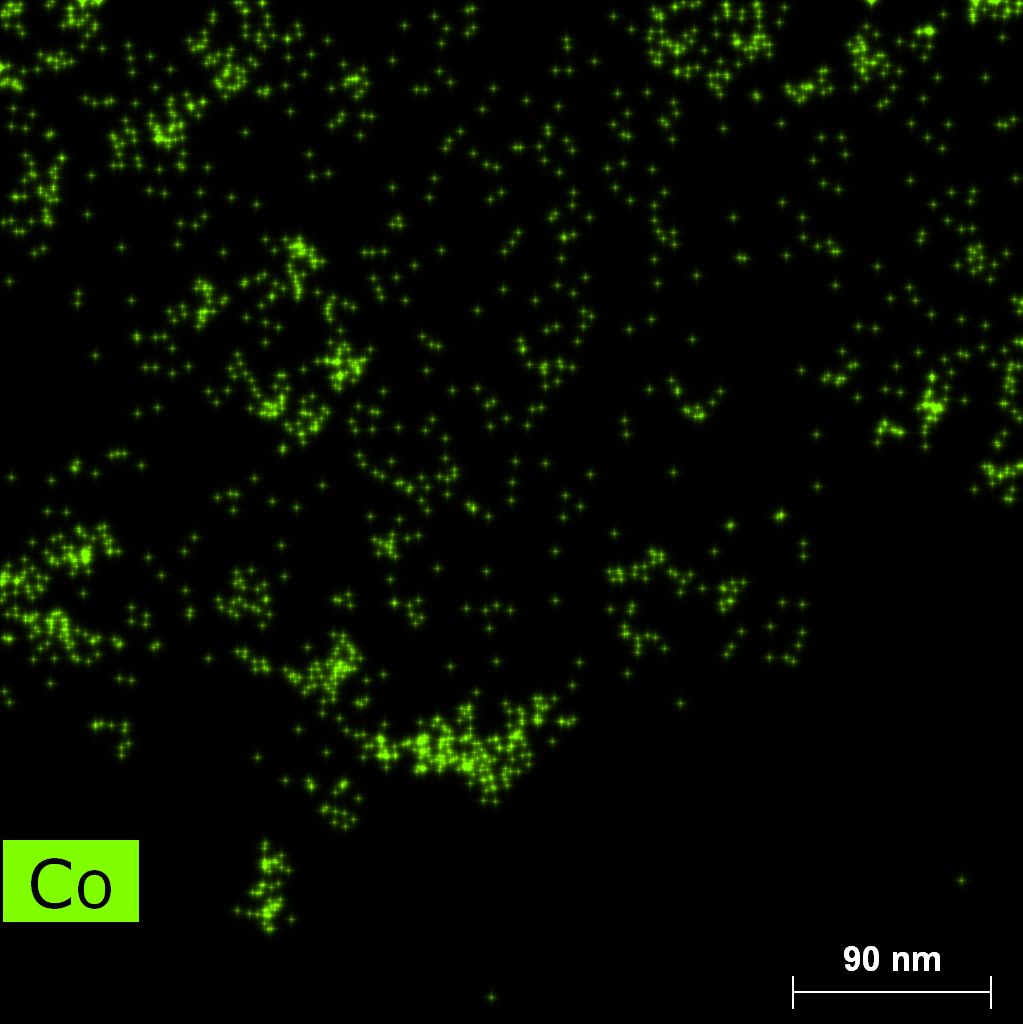
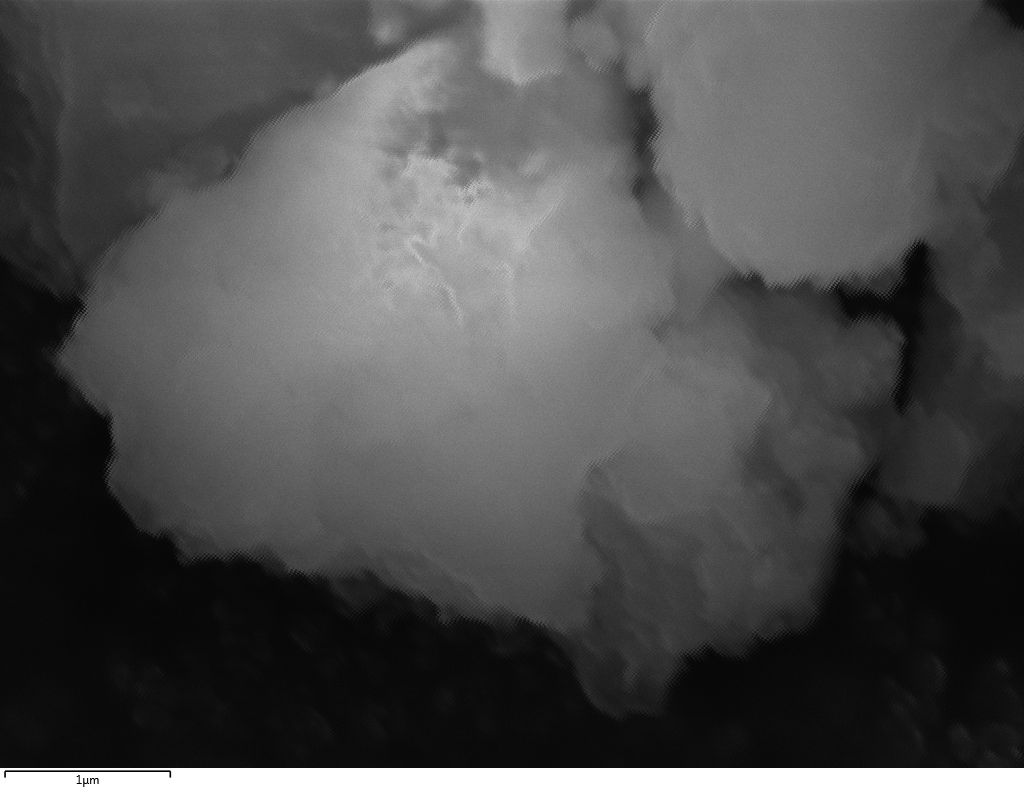
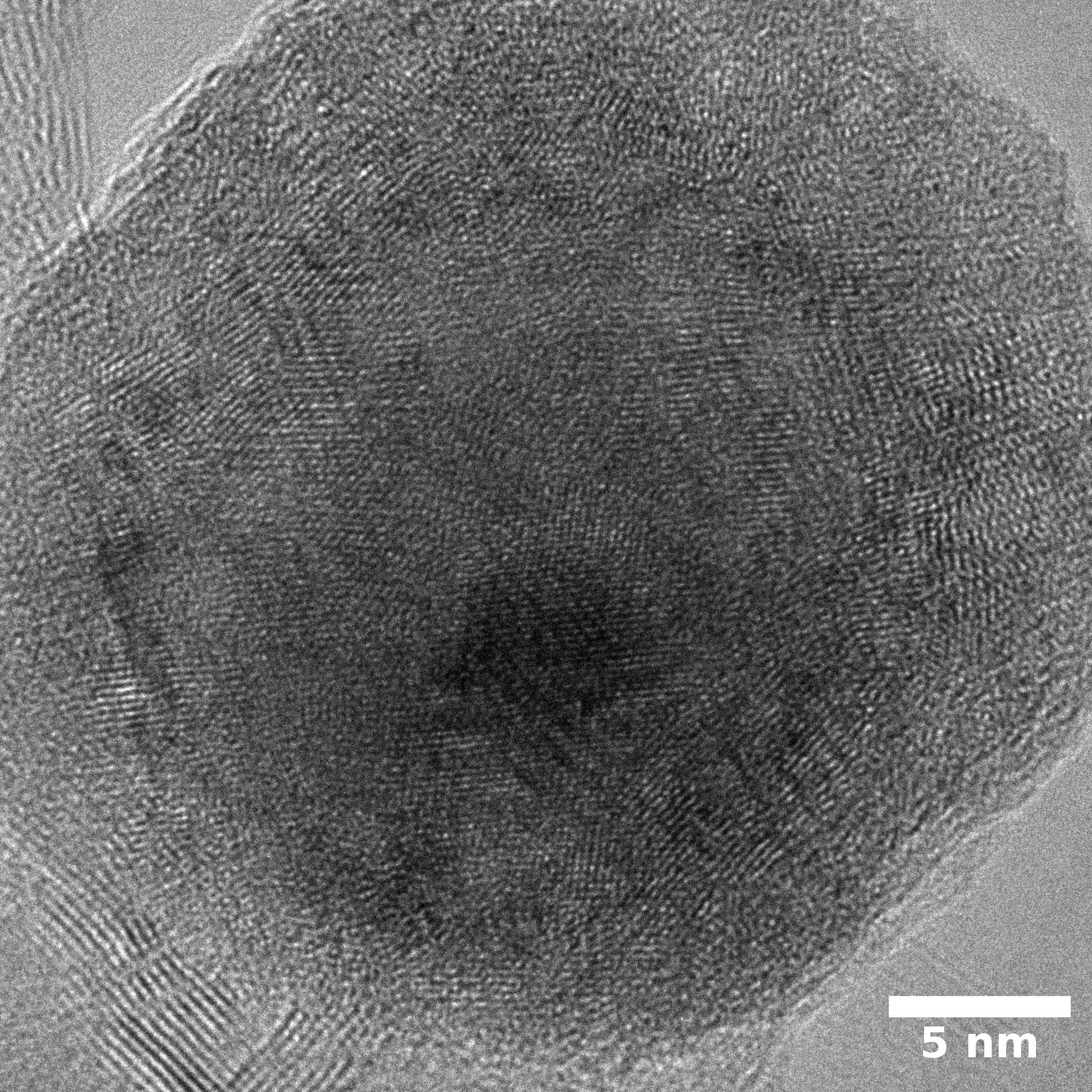
Cobalt nitride particles are smaller compared to Fe-N counterpart. Particles tend to concentrate in islands. There is no noticeable difference between BN and BCN supported particles.
![]() |
![]() |
![]() |
![]() |
![]() |
![]() |
![]() |
![]() |
| dl123: FeN/BN | dl132: CoN/BN | dl130: FeN/BCN | dl131: CoN/BCN |
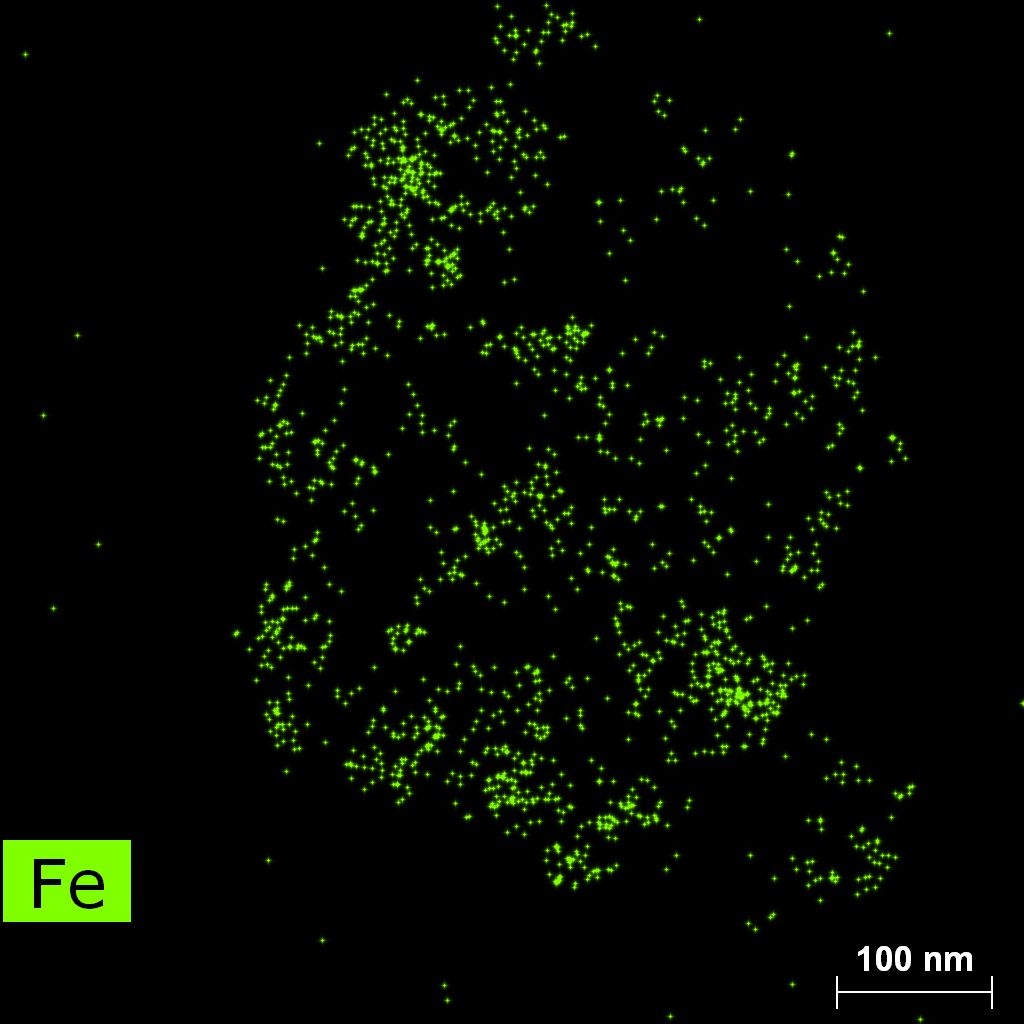
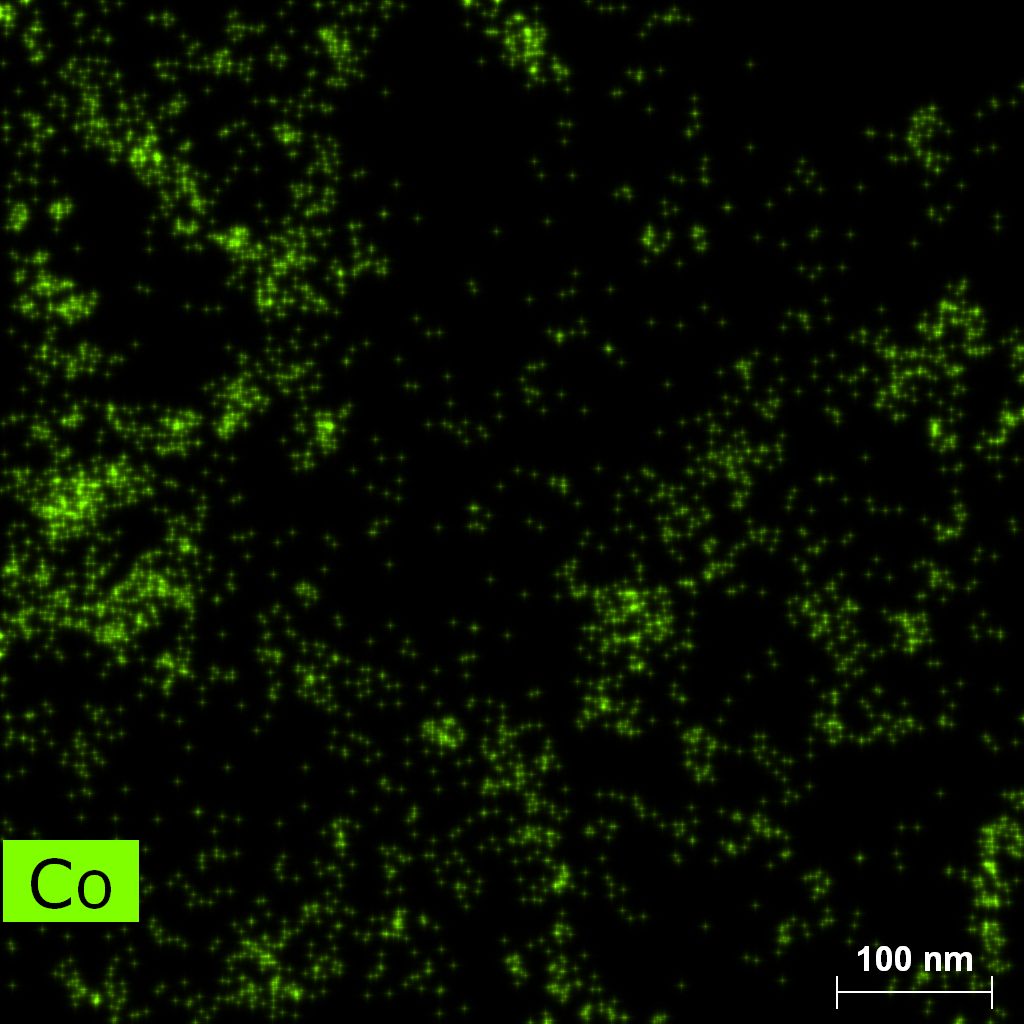
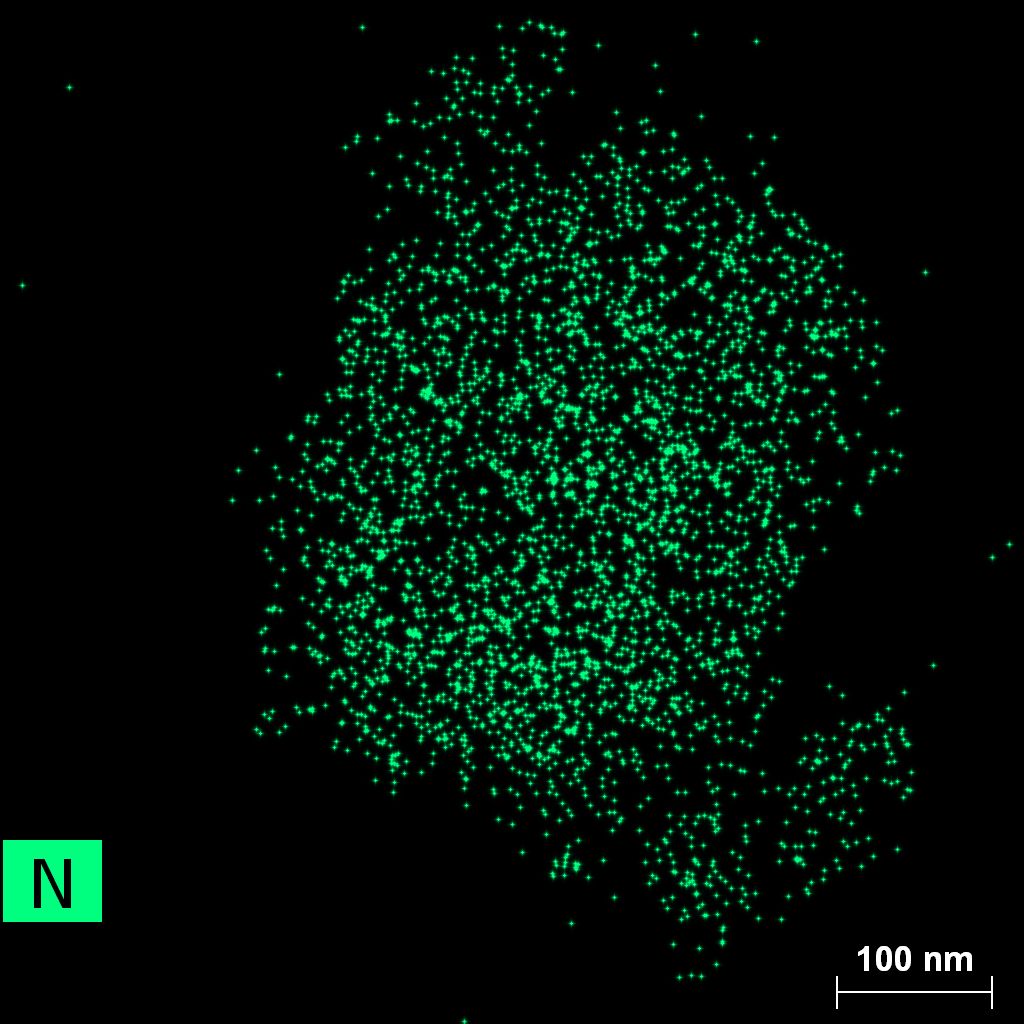
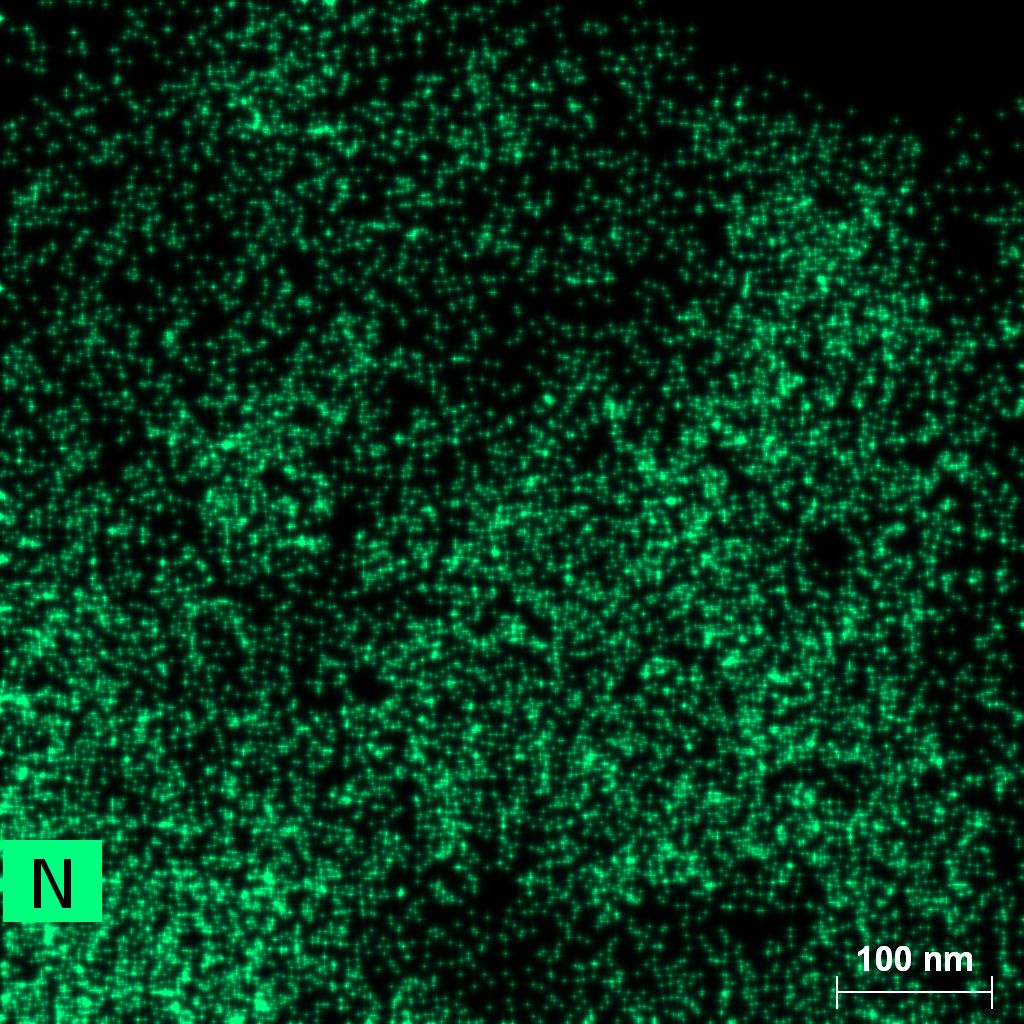
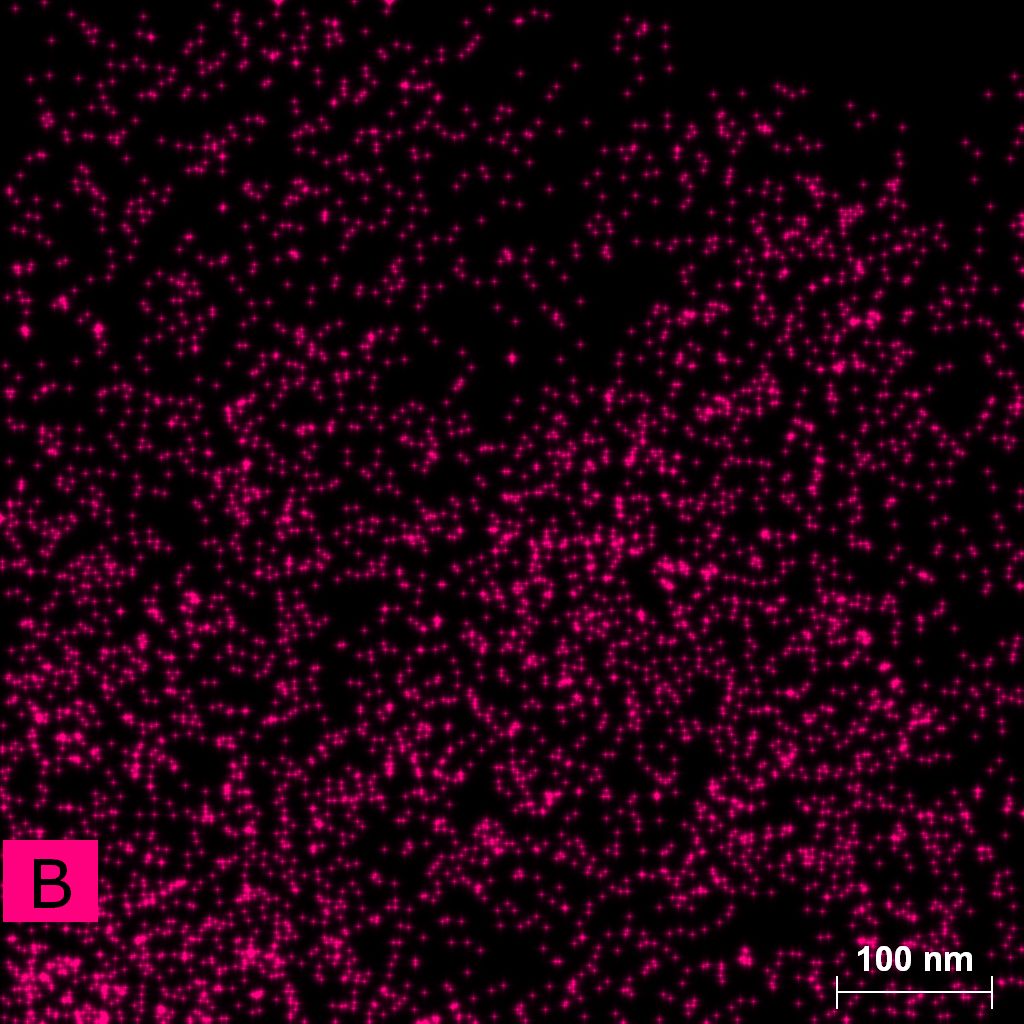
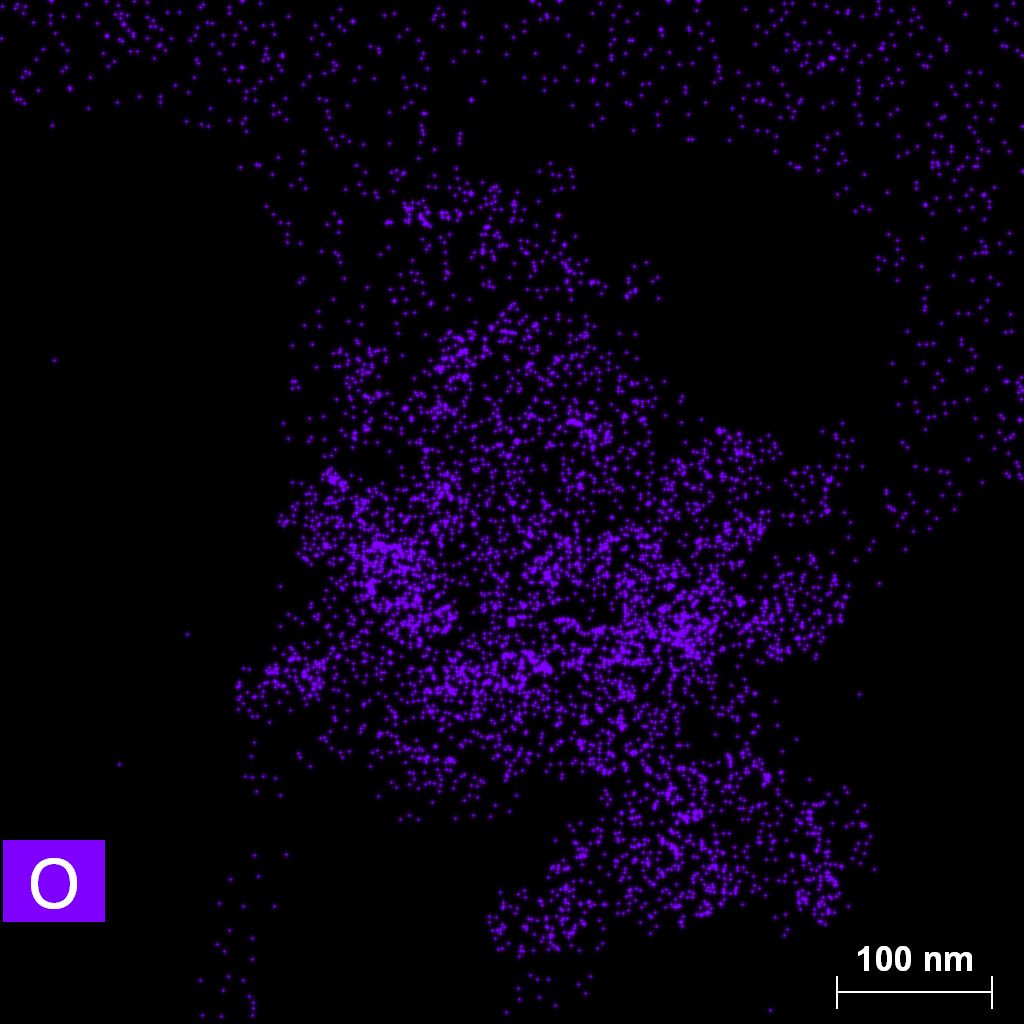
Elemental maps show that Co-N is more uniformly distributed over support surface. There is no Si impurity in samples, produced using BCN support.
![]() |
![]() |
![]() |
![]() |
|
| B | ![]() |
![]() |
![]() |
![]() |
| N | ![]() |
![]() |
![]() |
![]() |
| Fe/Co | ![]() |
![]() |
![]() |
![]() |
| O | ![]() |
![]() |
![]() |
![]() |
| Si | ![]() |
|||
| dl123: FeN/BN | dl132: CoN/BN | dl130: FeN/BCN | dl131: CoN/BCN |
![]() |
![]() |
![]() |
![]() |
![]() |
![]() |
![]() |
![]() |
![]() |
![]() |
![]() |
![]() |
![]() |
![]() |
![]() |
![]() |
![]() |
![]() |
![]() |
![]() |
![]() |
![]() |
![]() |
![]() |
![]() |
![]() |
![]() |
|
![]() |
![]() |
![]() |
|
![]() |
![]() |
||
| dl123: FeN/BN | dl132: CoN/BN | dl130: FeN/BCN | dl131: CoN/BCN |
![]() |
![]() |
![]() |
![]() |
|
| Fe/Co | ![]() |
![]() |
![]() |
![]() |
| N | ![]() |
![]() |
![]() |
![]() |
| B | ![]() |
![]() |
![]() |
![]() |
| C | ![]() |
![]() |
![]() |
![]() |
| O | ![]() |
![]() |
![]() |
![]() |
| dl123: FeN/BN | dl132: CoN/BN | dl130: FeN/BCN | dl131: CoN/BCN |
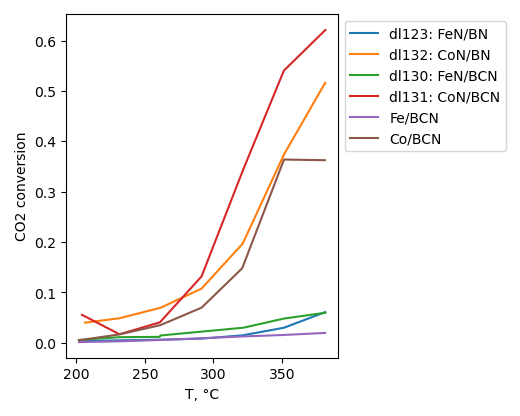
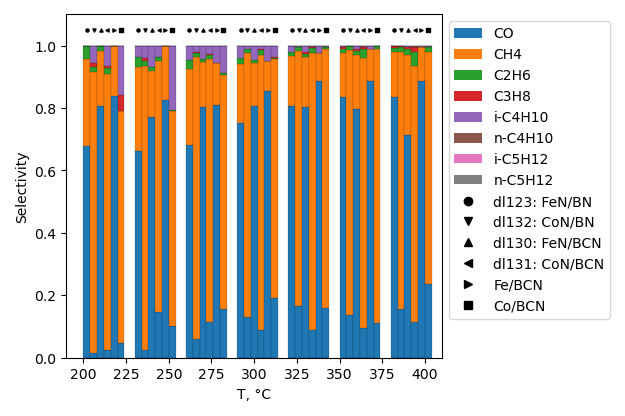
Co based catalysts are more active in comparison to Fe based ones. Also, Co-based catalysts posesses higher selectivity towards hydrocarbons. Among Fe-based catalysts, conversion decreases in the order Fe-N/BCN > Fe-N/BN > Fe/BCN. Selectivity towards hydrocarbons for these series is not changed substantially with temperature increase, although it shifts towards lower molecular weight hydrocarbons. Preferred product for Fe-based catalysts is CO. In case of Co-based catalysts covnersion decreases in the order Co-N/BCN > Co-N/BN > Co/BCN. Selectivity towards hydrocarbons is slightly higher for Co-N/BN sample at 200°C while it is highest for Co-N/BCN sample at 380°C. There is also shift towards lower molecular weight hydrocarbons with temperature increase for this series. Preferred product for Co-based catalysts is methane.
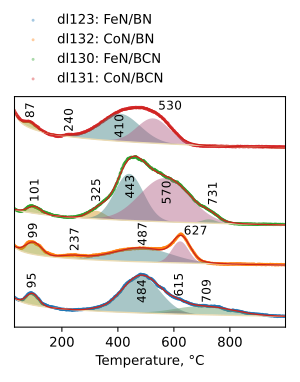

CO2